Oil prices squandered gains on news of Trump's willingness to make peace with Iran
The U.S. leader has told aides he intends to curtail the military campaign against Iran even if it does not fully unblock the Strait of Hormuz, WSJ has learned

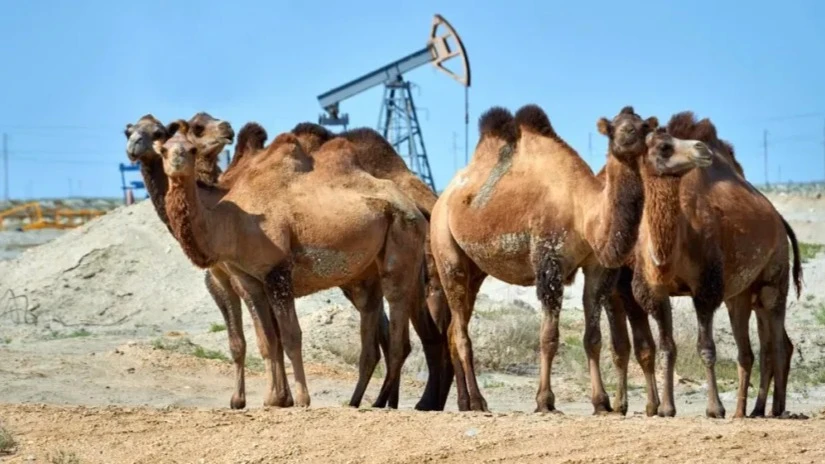
Brent crude oil prices soared by a record 59% in March / Photo: Yerbolat Shadrakhov/Shutterstock.com
Oil quotations in trading on Tuesday, March 31, turned to decline, leveling the growth of the beginning of the session. The market reacted to the leak that US President Donald Trump is ready to end the war with Iran without unblocking the Strait of Hormuz.
Details
May futures for the benchmark Brent crude oil rose by 2.5% at the opening of trading in Asia on March 31 - above $115 per barrel, but then fell to $111.35, going into negative territory by 1.3%. Contracts for North American WTI crude oil behaved similarly. Now a barrel of Brent is trading around $113, WTI - around $103.
The fall in oil prices was the reaction of market participants to an article in The Wall Street Journal about the intention of the U.S. leader to stop hostilities against Iran, even if the Strait of Hormuz remains blocked, writes Reuters. However, according to analysts, there will be no significant change in oil prices until the full resumption of supplies through this transit artery.
Iran's de facto closure of the strait, through which traditionally passes about a fifth of the world's oil supplies and a significant number of LNG tankers, led to a 59% jump in Brent prices in Ma - the record monthly increase in history, while WTI rose 58% over the month, which has not happened since Ma 2020, states Reuters.
Context
After Trump threatened on March 30 to "destroy" Iran's oil infrastructure if it refused to unblock the Strait of Hormuz, the risks to maritime energy supplies have escalated again: on March 31, a drone attacked a loaded Kuwaiti supertanker Al Salmi in the port of Dubai. According to the emirate's government, the crew of 24 people were not injured and the fire on the vessel was extinguished, the Financial Times reported.
The entry into the war of pro-Iranian rebels-Hussein has increased fears of possible disruptions in the Bab-el-Mandeb Strait - a key transit "bottleneck" for Asia and Europe, where Saudi Arabia redirects its oil exports, reports Reuters. The agency cites data from the analytical company Kpler, according to which last week the volume of transfer of crude oil from the Persian Gulf to the port of Yanbu on the Red Sea reached 4.658 million barrels per day - six times more than the average figures of January-February (770 thousand b / s).
This article was AI-translated and verified by a human editor