How to Stay Optimistic When AI Surpasses Humans: Key Takeaways from Elon Musk's Interview
In his first major interview since SpaceX's IPO, the world's richest man discussed when AI will be able to surpass human intelligence and what might stand in the way of universal abundance

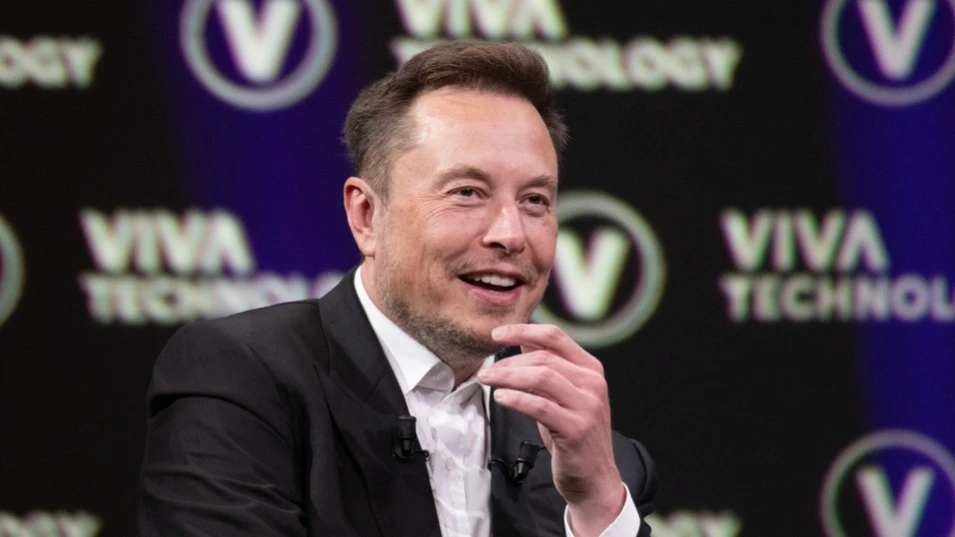
Musk Proposes That Tech Companies Engage in Mutual Oversight of Artificial Intelligence / Photo: Frederic Legrand - COMEO / Shutterstock.com
Elon Musk’s involvement in the artificial intelligence race is based on a paradox: in trying to create a counterweight to Google, he has ultimately helped accelerate the development of a technology that he himself considers potentially dangerous. In an interview with The Economist, the world’s richest man explained why he no longer believes it is possible to halt the development of artificial intelligence and suggests focusing instead on reducing the risk of a catastrophe. Musk acknowledges that AI poses risks to humanity, but believes that in ten years, the technology will lead to universal prosperity. Oninvest has selected Musk’s key statements from the 90-minute conversation.
AI, Humans, and Chimpanzees
I think that in about five years, AI could surpass humanity’s collective intelligence. That’s my assessment. And by then, there will be practically nothing that AI can’t do better than humans—except, perhaps, the very ability to be human.
If the difference in intelligence between AI and humans turns out to be incomparably greater than the difference between humans and chimpanzees, it’s hard to imagine that apes will remain in charge. I’m sorry, but in essence, we’re nothing more than an advanced form of chimpanzees. Not so long ago, we were swinging through the trees and eating bananas in the jungle. Then again, we still eat bananas today.
AI, Robots, and the Destruction of Humanity
I still believe that AI and robots pose certain risks—they are not zero (in March 2025, Musk estimated the probability that killer robots would destroy humanity at 10–20% — Oninvest). But in the end, I’ve come to a rather philosophical conclusion: it’s worth looking at things with optimism.
Let's just enjoy this ride—I guess that's my philosophy now. Because, to be honest, the development of AI and robots seems unstoppable. Even if I wanted to stop it, I couldn't.
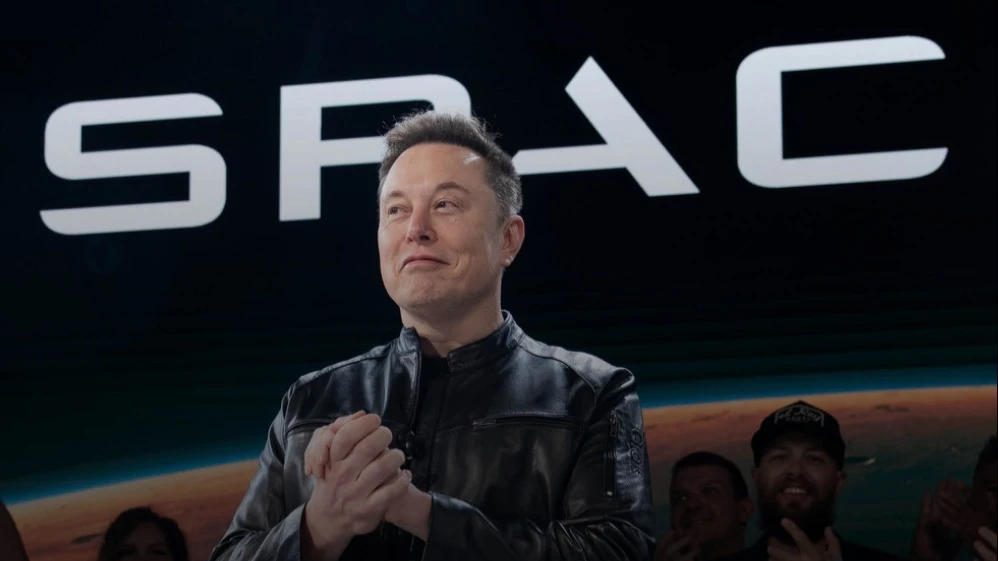
The most likely scenario (for the development of AI — Oninvest) is the dawn of an era of incredible abundance, when anyone will be able to have anything they can imagine. This may sound absurd, but it’s 2026 now. Let’s see where we end up in 2036. Of course, this could be thwarted by, say, a large-scale thermonuclear war or something similar. But assuming we manage to avoid World War III, it seems we’re steadily heading toward an age of fantastic abundance. So much for a manifesto of optimism.
Conference Calls, Competitors, and Fairness in the Market
For a long time, I refused to get involved in AI development, and then, as you know, I founded OpenAI—essentially as a counterweight to Google, because at the time, Google had a near-monopoly in this field. Then Anthropic spun off from OpenAI, and it’s now a leader in the field of AI. It turns out that my actions set off a chain of events that accelerated the development of AI, even though that was never my intention. It seems like all roads lead to the acceleration of AI. And so I think: well, I could just feel sad about it, or I could, perhaps, join the rest of the world.
The most urgent measure (to minimize AI risks — Oninvest) is to hold meetings or conference calls among leading AI companies to discuss safety and security issues. I would suggest starting with at least informal conference calls—say, once a week or every other week.
And it’s worth giving competitors early access to new models. This is where checks and balances work perfectly: market rivals will recognize a real security threat faster than anyone else and will certainly not hesitate to say that the release of a competitor’s model should be delayed.
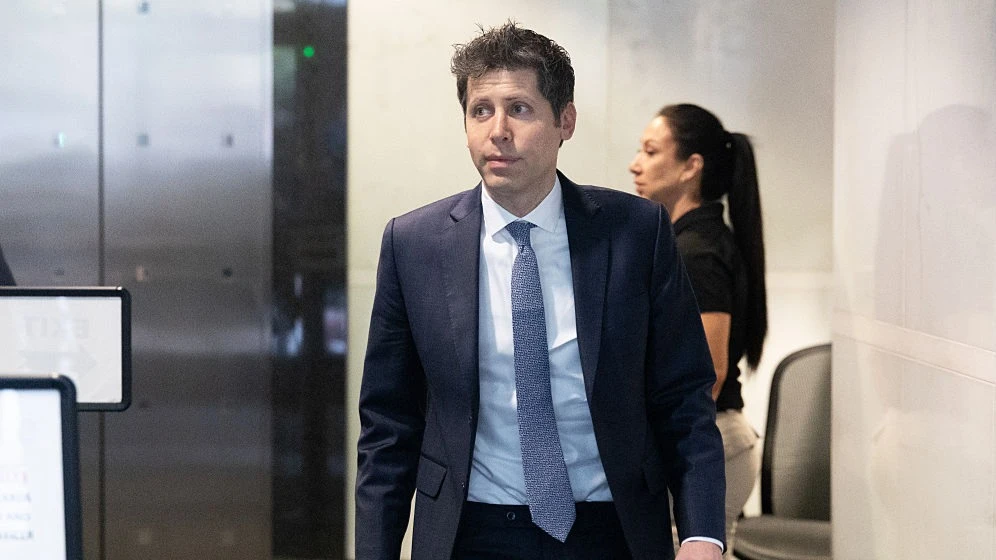
It is quite difficult for someone in the government who lacks in-depth technical knowledge and isn’t personally working on the cutting edge of AI development to determine whether a particular model should be released or not. But competitors, after testing it for a week or two, will be able to identify potential problems. After all, everyone in this market has an incentive to ensure that others act responsibly.
We need to get at least some kind of working system up and running within the next six months—because the models are advancing too rapidly.
This article was AI-translated and verified by a human editor