The dollar hit its highest level since April amid expectations of a Fed rate hike

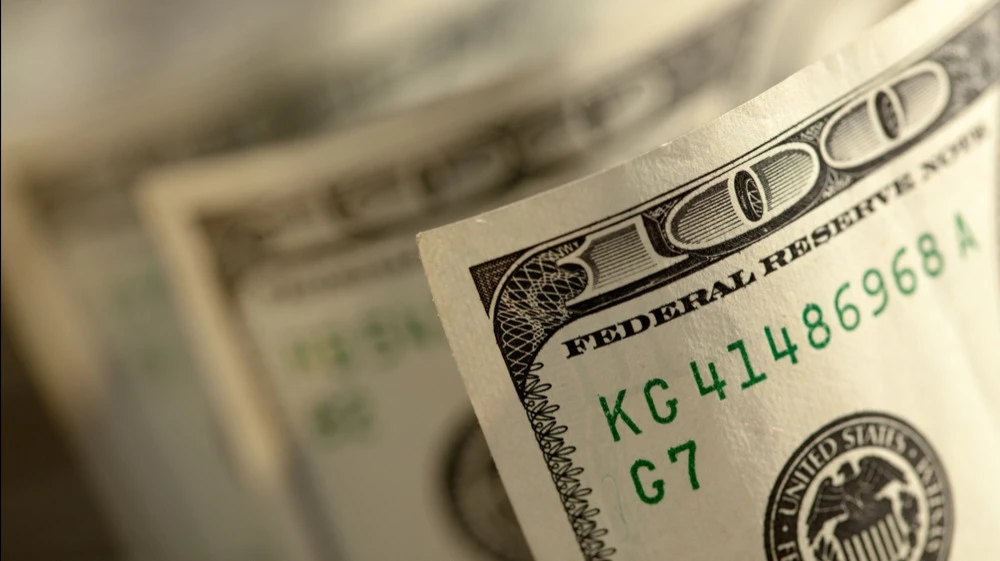
The dollar index surged to its highest level since last April amid expectations of a Fed rate hike / Photo: Andy Dean Photography / Shutterstock.com
The ICE U.S. Dollar Index, which tracks the U.S. currency against a basket of major global currencies, rose on Wednesday to 102.9 points—its highest level since April 2025, according to The Wall Street Journal. The dollar strengthened by 0.6% against the euro and the yen following the release of U.S. inflation data for October and statements by Federal Reserve officials, which reinforced expectations of a rate hike in December. Meanwhile, the euro fell to $1.1082—its lowest level since May 2025, according to LSEG.
Consumer prices in the U.S. rose 0.4% month-over-month in October—more than the market had expected. The core index, which excludes volatile food and energy prices, came in at 0.3%. Even before the release, Federal Reserve Governor Christopher Waller suggested considering a 50-basis-point rate hike at the next meeting if core inflation reached 0.3%.
According to LSEG, on Wednesday, November 11, money markets priced in an 88% probability of a 25-basis-point rate hike in December and a 12% probability of a 50-basis-point hike. Economists at Deutsche Bank expect the central bank to raise rates by 25 basis points at each of its next three meetings—in December, January, and March.
“For the dollar to continue strengthening, the market will need to price in a Fed rate hike of half a percentage point more aggressively,” noted Bas Kooiman, an asset manager at DHF Capital. In his view, if the Producer Price Index, which will be released on Friday, also comes in higher or if Fed officials continue to make “hawkish” statements, this could lead to a further rise in bond yields and a stronger dollar. Weaker economic data or a 25-basis-point rate hike, on the other hand, could offset some of the dollar’s gains, the analyst believes.
In the near term, the U.S. dollar is likely to remain strong due to expectations of further monetary tightening by the Federal Reserve, according to Chris Turner, global head of markets at ING. “Given the potential acceleration in U.S. labor market growth, core inflation well above the target level, and the Fed’s readiness to raise rates again, we believe that the dollar (...) will test the upper limits of its trading ranges in the coming weeks,” the WSJ quotes Turner as saying.
The market estimates the probability of the European Central Bank raising rates by 25 basis points at its December meeting at 78%. Rabobank currency strategist Jane Foley noted that the ECB may exercise restraint after December, according to the WSJ. The regulator’s latest press conference, she said, revealed the Governing Council’s growing concern about the prospects for economic growth. Uncertainty surrounding the outcome of next year’s French presidential election—specifically, a victory by a far-right candidate and its implications for EU cooperation—could put additional pressure on the euro in the coming months, the analyst believes. Rabobank expects the euro to weaken to $1.1 within three months.
This article was AI-translated and verified by a human editor