"The Schrodinger's Cat Situation": Analysts Take Stock of Six Months of the U.S.-Iran War

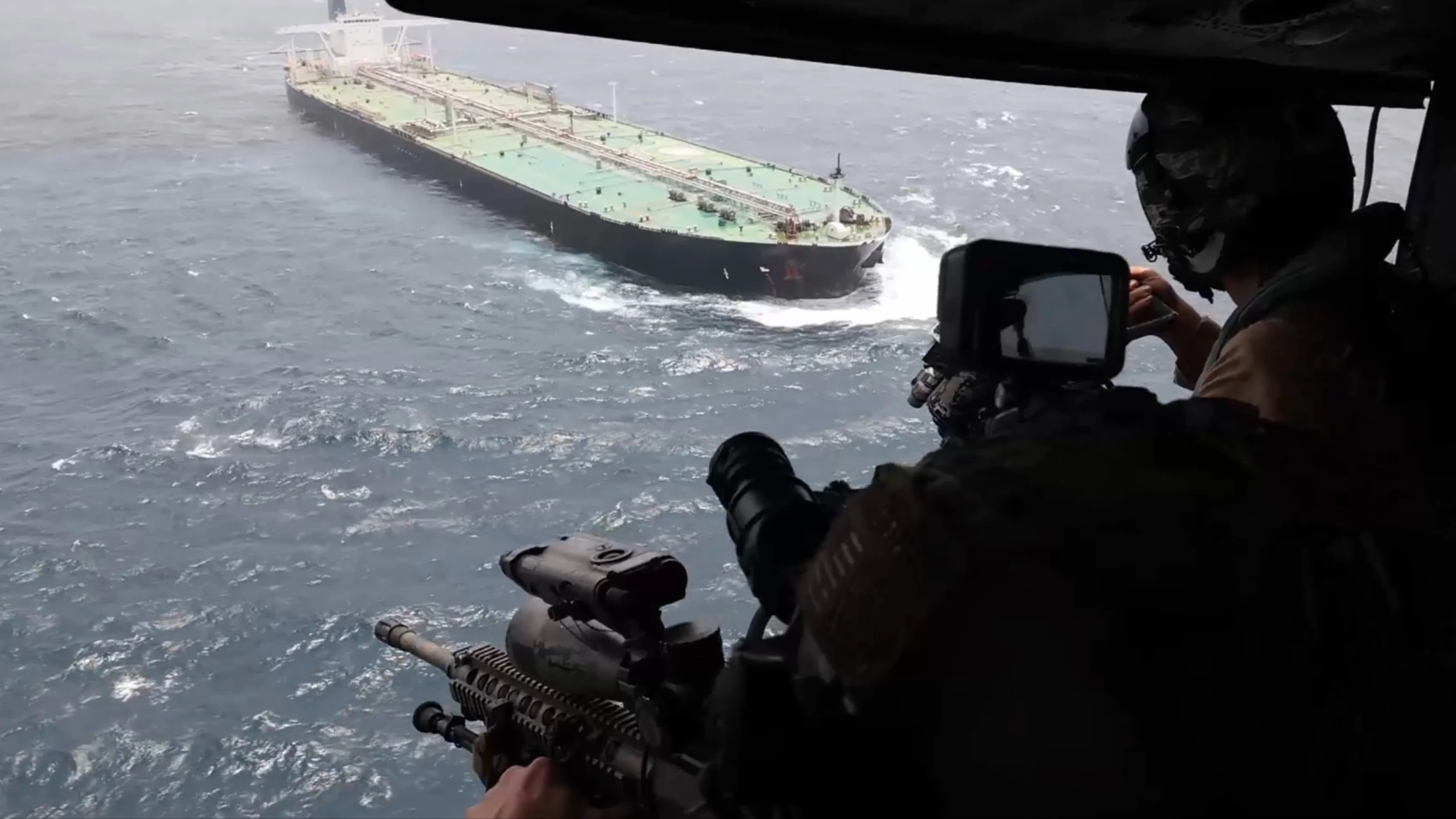
Six months after the war began in Iran, Wall Street analysts have mixed views on the outlook for oil prices / Photo: X/CENTCOM
August 28 marks six months since the United States and Israel launched their war against Iran, which prompted Tehran to launch retaliatory strikes against other countries in the Persian Gulf and led to a significant disruption of global trade, according to CNBC.
The conflict, which was originally expected to last a few weeks, has escalated into a standoff that, according to geopolitical analysts, shows no signs of ending, the TV channel reports. However, the nature of the war has also changed: the White House has shifted its focus to increasing financial pressure on Iran and its trading partners—a strategy that President Donald Trump has called “Economic D-Day.”
The future course of the conflict, however, remains highly uncertain.
What Analysts Are Saying
On the six-month anniversary of the war in Iran, there are noticeable disagreements on Wall Street regarding the outlook for oil prices: some market participants believe that investors are being too complacent in their assessment of the risk of further price spikes, according to MarketWatch.
“Ever since President Donald Trump told CBS News on March 9 that, in his view, ‘the war is essentially over,’ a segment of the market has remained unwavering in its confidence that the conflict will end soon,” — noted the team of strategic analysts at RBC Capital Markets, led by Helima Croft.
They noted an increase in oil exports through the Strait of Hormuz last week: which were 1 million barrels per day higher than the four-week average, thanks to the U.S. Navy escorting ships and operations such as ship-to-ship transfers, according to MarketWatch. However, given the Houthi attacks in the Red Sea, RBC estimates that disrupted oil shipments from the Middle East amount to approximately 8 million barrels per day.
It remains unclear whether the U.S. administration will continue to provide constant escort for tankers in the Middle East to boost oil exports—and this is the main unknown factor at this stage, analysts note. “Therefore, we suspect we’ll be writing another anniversary note by February, even if the conflict remains predominantly hybrid and the [Strait of Hormuz] continues to be in a Schrodinger’s cat situation,” the strategists noted. They are skeptical that the talks between Iran and Oman regarding the strait will yield a solution acceptable to Washington.
The problem isn't just—or even primarily—about oil
Although some oil is still reaching the market, liquefied natural gas (LNG) is causing greater concern, as transit shipments had virtually come to a halt by the six-month mark of the conflict, Croft noted. “The diesel and European gas markets are bracing for a serious stress test at the end of the summer amid ongoing attacks on Middle Eastern and Russian refineries, as well as the ongoing loss of Qatari LNG exports,” they said.
Analysts at Goldman Sachs agree with this view. “We continue to see greater upside potential for European gas and refined product prices in the event of prolonged disruptions than for crude oil,” the team led by Daan Streven, the bank’s co-director of commodities research, noted.
The margins that oil refiners build into the production of gasoline, fuel oil, and diesel are rising to historic highs, putting increased pressure, in particular, on the cost of petroleum products for American consumers, according to MarketWatch.
As for oil, Streyven and his team estimated that oil exports from the Persian Gulf by all means total approximately 15–16 million barrels per day: this is 7–8 million barrels below pre-war levels, but 5–6 million above the March low. More and more tankers are leaving the Strait of Hormuz and the Persian Gulf with their transponders turned off—so-called “dark voyages,” analysts noted. This is facilitated by limited satellite coverage and an increase in the number of ship-to-ship transshipments. All of this indicates that producers and traders are adapting to the Middle East conflict, the Strayven team noted.
Although freight markets continue to price in disruptions through 2027, “potential growth in shadow supply and China’s price-sensitive net crude oil imports could keep crude oil prices in check, even if disruptions in the Middle East drag on,” they added.
This article was AI-translated and verified by a human editor