Oil prices fell 3% for the second day in a row following the agreement on clearing mines from the Strait of Hormuz
Prices are unlikely to rise or fall significantly in the near future, according to Mitsuru Muraishi of Fujitomi Securities

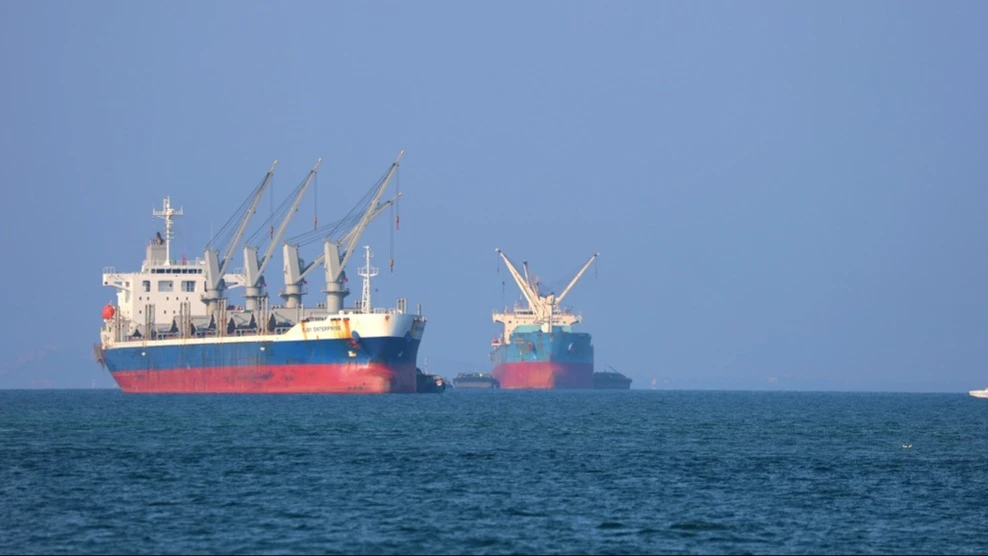
Following threats from Washington to tighten sanctions, Iran agreed to clear mines from the Strait of Hormuz / Photo: somkanae sawatdinak/Shutterstock.com
October Brent crude oil futures fell 2.9% during morning trading on August 26, hitting a low of $86.05 per barrel. U.S. WTI crude oil futures fell 2.8% to $80.08 per barrel. The day before, both benchmark crude oils had lost more than 3%.
Tehran announced the resumption of negotiations regarding shipping traffic in the Strait of Hormuz amid mounting economic pressure from U.S. President Donald Trump. Iran and Oman, which had been holding intermittent talks over the past few weeks on organizing traffic through the strait, finally agreed to clear the waterway of mines and discussed the establishment of a “joint temporary shipping corridor” through it, Reuters reports. Before the start of the war between the U.S. and Iran, one-fifth of the world’s oil and liquefied natural gas supplies passed through the Strait of Hormuz.
“The commander of Pakistan’s ground forces has concluded a one-day visit to Iran, and, according to local media reports, the trip yielded valuable results,” according to an analysis by ANZ Research, as cited by The Wall Street Journal. “Iran and Oman discussed the importance of resuming shipping through the Strait of Hormuz,” the experts note. “The proposed plan calls for the creation of a temporary joint maritime corridor and an agreement to implement a joint project to clear mines from this waterway,” they add.
“Uncertainty about the outlook prompted [investors] to buy [oil] on the dip, which limited further declines. In the near term, prices are likely to remain within a trading range (they will not rise or fall significantly. — Oninvest),” said Mitsuru Muraishi, an analyst at Fujitomi Securities, as quoted by Reuters.
"U.S. sanctions against Iran turned out to be less severe than expected," said Dan Coutsworth, head of markets at AJ Bell. According to him, the drop in oil prices helped calm the markets somewhat, while government bond yields retreated from recent highs, CNBC reports.
This article was AI-translated and verified by a human editor