'Too many red flags': BofA advised investors to lock in profits
Among the new red flags is the widening gap in returns between the best and worst S&P 500 technology stocks


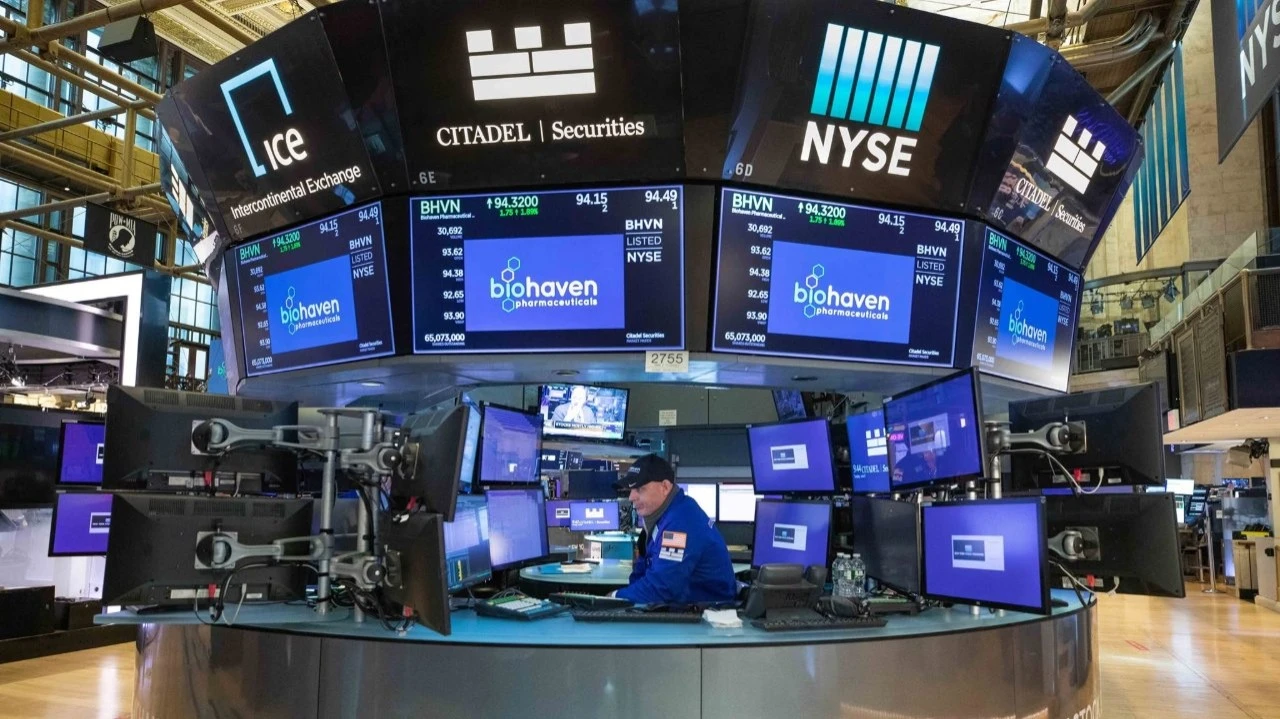
BofA says more indicators are signaling signs of a bear market / Photo: X / NYSE
There are "too many red flags" flying over the U.S. stock market right now, Bank of America warned in a note quoted by CNBC and Bloomberg. The bank's advice to investors is to lock in profits.
Details
Of the ten indicators, which the bank uses to track the signs of a bear market, seven worked in May. There were five such signals in April, and four in March. Seven is the average of those seen before previous bear markets since 1990, the bank explained in a statement to CNBC.
"We see opportunities in individual stocks from the S&P 500 index, but not in the index itself, weighted by company capitalization," Bank of America strategist Savita Subramanian wrote in a note to clients Friday. She said the bank's year-end target for the S&P 500 is 7,100 points, which implies a decline of about 4 percent from current values.
Among the worrisome signals is the sharp rise in the yield gap between the best and worst technology stocks in the S&P 500, as well as overly high growth expectations for the index as a whole. The difference in returns between the best and worst 20 percent of technology stocks has reached a "whopping" 120 percentage points. That's the highest level since February 2000 and, Subramanian said, is comparable to the dot-com bubble. She noted that just before the market peak on March 24, 2000, the index was as high as 130 percentage points.
The strong performance of the S&P 500 masks the deterioration within the market: the difference between the returns of the top and bottom 10% of stocks in the index has widened over the past three months to the highest since the COVID-19 pandemic, notes Subramanian.
Situation in the technology sector
Some fundamentals of technology companies remain healthy - notably debt burden, business valuation and capital intensity, Subramanian writes. However, most metrics have deteriorated from Bank of America's analysis released in November.
Specifically, earnings-to-cash flow conversion has stopped improving, the supply of investment grade corporate bonds and new shares has increased, the pace of share repurchases relative to market capitalization has slowed, and capital expenditure by hyperscalers is expected to approach 100% of their operating cash flow by the end of the year versus 40% in 2023, Subramanian noted. "Extreme quote dynamics could be indicative of increasing volatility," she warned.
For example, shares of chip makers fell sharply on June 4-5 after a rally in April and the first half of Ma. One of the reasons for the sell-off was Broadcom's June 3 report. The company merely maintained its previous forecast for revenue from AI chips instead of improving it in line with the inflated expectations of some investors, CNBC writes.
Context
The increasing concentration of growth in a small number of stocks in recent weeks has caused concern among many Wall Street analysts and is evident in various market indicators, CNBC noted. For example, the S&P 500 Index ended May at a record high, but only a small number of its constituent companies simultaneously updated their own all-time highs, BofA analysts wrote in late Ma.
This article was AI-translated and verified by a human editor