Top story for the morning: the US allowed "Iranian oil seizure", Brent and WTI prices soared

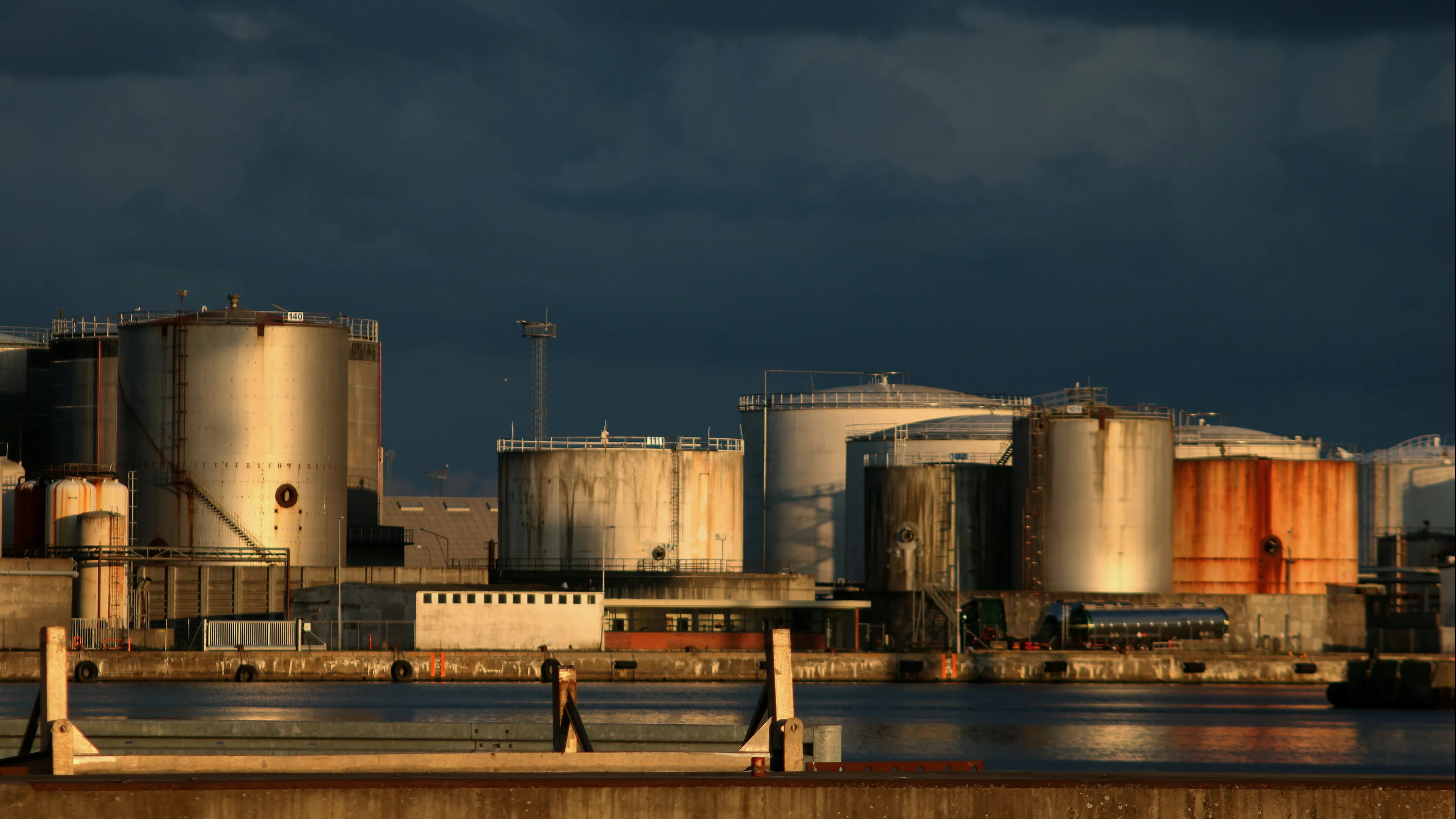
Photo: Alex Waldbrand / Shutterstock
US President Donald Trump says Iran has allegedly accepted most of Washington's 15 demands to end the war. Brent rose by almost 60% over the month amid threats to supplies through the Strait of Hormuz and attacks by the Houthis. On these and other topics - in our review of key events for the morning of March 30.
Trump says Iran has agreed to most US conditions
Donald Trump said that Iran has allegedly accepted most of Washington's 15 demands to end the war, although Tehran publicly denies it and puts forward its own conditions, Bloomberg writes. At the same time, the U.S. president admitted the possibility of seizing Iranian oil, including the key export hub - Kharq Island, which would require a military operation and a prolonged presence of U.S. troops in the region, writes the Financial Times.
Trump also said he believes a change of power in Iran has already taken place after the supreme leader's death, Bloomberg noted.
Oil jumped due to widening war in the Middle East
Oil prices rose sharply amid the entry of the Yemeni Houthis into the conflict and the strengthening of the U.S. military presence in the Middle East, Bloomberg reports. Brent was up 3.7% to $116.75 per barrel, WTI - above $100. At the time of publication, May futures for Brent cost $115.53, contracts for WTI are trading at $101.39, since the beginning of March, oil has risen in price by almost 60% due to fears of supply disruptions and the closure of the Strait of Hormuz.
The market is laying down further growth of risks: attacks by the Houthis threaten routes through the Red Sea, and the US is considering new military scenarios against Iran. Analysts do not rule out oil prices rising to $120 and higher, and if the conflict drags on until June - even to $200 per barrel, as disruptions are already affecting global supply chains and increasing inflationary pressure, the agency points out.
Eli Lilly strikes $2.75 billion deal for AI drug development
US pharmaceutical company Eli Lilly has reached an agreement with Insilico Medicine to bring to the global market drugs created with the help of generative AI, CNBC writes. The deal could reach $2.75 billion, including $115 million upfront and subsequent payments as commercial and regulatory milestones are reached.
Insilico has already developed more than 28 drugs using AI, some of which are in the clinical stage, enabling faster and cheaper molecule discovery. The partnership expands the companies' collaboration and reflects the growing role of AI in pharmaceuticals amid Eli Lilly's investments in China and the global race for new drugs, the channel said.
Emirates pays less for military risks than competitors amid war
Emirates airline, based in Dubai, pays much less than its competitors for war risk insurance, despite the war in the Middle East, the Financial Times reports. According to several insurers familiar with the situation, it pays about $100,000 a week for the entire fleet, while other carriers have to pay up to $70-150,000 for each individual flight to the region.
This is due to Emirates' scale and influence, as well as its experience in the region. At the same time, many international airlines cancel flights to Dubai due to high risks and expensive insurance, which reduces the flow of passengers and increases pressure on the air transportation market, the newspaper points out.
What's in the markets
- Japan's broad Topix index was down 3.2 percent, while the Nikkei 225 was down 3.4 percent.
- Hong Kong's Hang Seng Index was down 0.9 percent, while mainland China's CSI 300 Index was down 0.2 percent.
- In South Korea, the Kospi index was down nearly 3 percent and the Kosdaq was down 2.8 percent.
- Australia's S&P/ASX 200 was down 0.8 percent.
- Futures on the S&P 500 and Nasdaq Composite were almost unchanged. Exchange contracts on the Dow Jones Industrial Average were falling by 0.1%.
This article was AI-translated and verified by a human editor