War with Iran has deprived the luxury sector of $100 billion in capitalization
Sales of luxury brands in the Middle East could halve in March, which could reduce quarterly growth for many companies in the sector, according to Bernstein

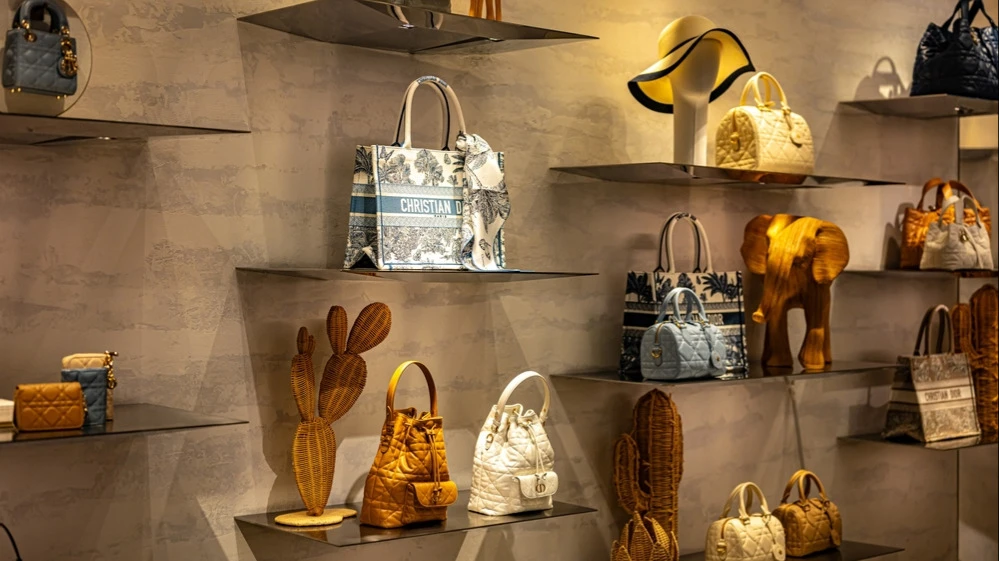
The capitalization of LVMH and Hermès has fallen by a combined total of more than $80 billion since the beginning of the month / Photo: monticello / Shutterstock.com
The largest companies producing luxury goods have lost more than 15% of their market value since the beginning of the conflict with Iran, CNBC reports. Analysts believe that sales in the increasingly important market of the Middle East for luxury brands may halve, the channel writes.
Details
Shares of LVMH and Hermès fell by about 16% and 20% respectively this month, while the S&P 500 index lost more than 7%. The fall in quotations led to a reduction in the total market capitalization of large luxury companies by about $100 billion, with LVMH and Hermès losing more than $40 billion each. Ferrari shares also fell by 15%, the company first announced a temporary suspension of deliveries to the Middle East, and then began shipping cars to the region by airplane, the Financial Times wrote on March 26. Bentley, Maserati and other luxury car makers have also suspended deliveries to the Gulf countries.
"We don't see an impact on production at the moment," CNBC quoted Bentley CEO Frank-Steffen Walliser as saying during a recent conference call with investors. - But certainly customers in the Middle East have very different thoughts right now than buying a new Bentley."
Last year, the Middle East was the fastest-growing luxury market in the world, showing growth of 6-8% against a background of almost zero dynamics on a global scale, says Luca Solka, analyst at Bernstein. The region now accounts for about 6% of global luxury goods sales, and could approach Japan, which accounts for about 9%, Solka said. The main driver of growth of the luxury market in the Middle East has become Dubai in the United Arab Emirates: it accounts for about 80% of market growth in the UAE, while the UAE itself provides more than half of the growth of the luxury market in the region, according to a study by Morgan Stanley, quoted by CNBC.
What's troubling the market
Investor sentiment in the industry is now "the most negative in years," said UBS analyst Zuzanna Pusch in a note to investors quoted by CNBC. At the beginning of the year, investors were counting on a recovery in the luxury market, but "heightened geopolitical uncertainty is likely to put pressure on [industry companies'] earnings in the short term and postpone the long-awaited turnaround in fundamentals," the analyst said.
The problems in the Middle East came at a critical time for the luxury segment. After two years of stagnation, the market expected a recovery in 2026. China has seen a moderate improvement in sales after several years of decline. US luxury buyers remain resilient to the Middle East crisis thanks to rising wealth amid AI and stock market developments. In Europe, demand is supported by, among other things, tourist spending, CNBC writes.
Bernstein's Solka noted that if sales of luxury brands in the Middle East halved in March - what he calls a worst-case scenario - it would cut quarterly growth by about 1pc for many companies in the sector.
Is it that bad?
The decline may be less significant, CNBC notes. Although stores and shopping centers in the Middle East region may remain empty, many companies continue direct sales to customers with home delivery. In addition, affluent customers who have left Dubai may continue to spend money on luxury goods in other countries, the channel writes.
"Most companies we talk to are not indicating a catastrophic drop [in sales] in the Middle East," Solka noted. - Ultimately, if the situation is limited to March, it will largely have little impact."
Other factors that ensured Dubai's success - the absence of income tax, stable political situation, climate - remain unchanged, CNBC writes. The number of millionaires in the city has doubled since 2014 and exceeded 81 thousand, according to Henley & Partners. In 2025, about 9.8 thousand millionaires moved to Dubai, bringing with them $63 billion - more than in any other country in the world. Wealthy people from the UK, China, India and other countries in Europe and Asia provided the main influx. Nevertheless, Dubai's reputation as a safe place against the backdrop of the war in the Middle East has been under attack, the channel emphasizes.
According to Morgan Stanley, about 60% of luxury spending in the UAE is on tourists, of which 60% are visitors from Russia, Saudi Arabia, China and India. Of the remaining 40%, about half is accounted for by the country's foreign residents, who may also be reconsidering long-term stay plans.
This article was AI-translated and verified by a human editor