'We haven't had the crisis of the century for a long time': ex-Goldman Sachs head on risks for investors
Now is definitely not the right time to take maximum risk, warns the banker who ran Goldman Sachs during the 2008 crisis
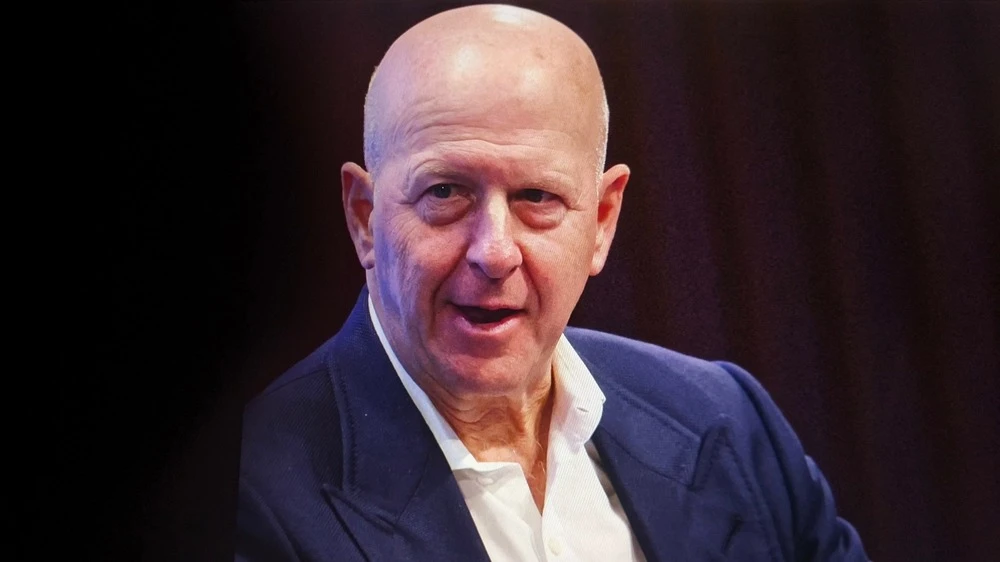
Markets have so far ignored that the economic consequences of war will not disappear with the cessation of hostilities, says the billionaire / Photo: FotoField / Shutterstock.com
The war in the Middle East will have serious consequences for the economy, even if the fighting ends soon, former Goldman Sachs CEO Lloyd Blankfein said in an interview with CNBC. It is difficult to make accurate forecasts now, but still one should not ignore the increased risks, said the billionaire, who headed one of the largest U.S. banks during the 2008 crisis. Oninvest watched Blankfein's interview and selected statements that may be important for investors.
On the consequences of war
- "For now, the market is acting like this won't go on for long. But the consequences are very significant. They will persist for a while because the infrastructure has been affected. Everyone is looking at the oil price right now, and it's going to be under pressure for at least a while precisely because of the damage to infrastructure."
- "If you are managing risk - or even taking risks yourself - this is not a situation where it is easy to predict anything. It's too hard to predict, and the consequences are too serious. I think at this point no one really knows anything. I think we are in scenario planning mode now: we need a strategy in case things go this way, and another strategy if things go differently, if it looks like this is a long-term story.
- "There is no reason to believe that the denouement will come tomorrow. I think right now we just need to not take on too much - this is definitely not the moment to go for maximum risk - and act very quickly, while carefully defending our position."
On the crisis of the century
- "There hasn't been a major shake-up in the market for a long time, so there are a lot of assets that have accumulated on balance sheets that may not have been valued quite adequately. Simply because there was no factor that made the market check that. We haven't had a "crisis of the century" in a long time. We used to have such a "crisis of the century" almost every five years. There hasn't really been anything like this since the global financial crisis.
And we are now in a period where private equity funds are not selling off their accumulated portfolio, even though we have just gone through a very strong equity market and a favorable funding market. At some point, there still has to be a payback. And we haven't had it. And the longer the interval between such moments of reckoning, the more severe the consequences may be".
What investors should do
- "Investors should buy baskets of stocks. They need a diversified portfolio, not trying to pick individual securities. They should go about their business - work in their industry, sell cars, build a career in any way they can - and keep their investment money in a diversified portfolio.
And then it all depends on where you are in life. If you have a long investment horizon ahead of you, you can invest in riskier assets that command a premium. For example, stocks. Because over the long haul, they pay for themselves. Next year, maybe not.
If a person is nearing the end of their working career, they should stick to more conservative and less risky assets, such as fixed income instruments."
This article was AI-translated and verified by a human editor