A Threat to U.S. National Debt: Dalio Warned of Major Lenders Withdrawing from the Market
Billionaire Ray Dalio believes that geopolitical tensions and economic problems are causing major investors to turn away from U.S. securities

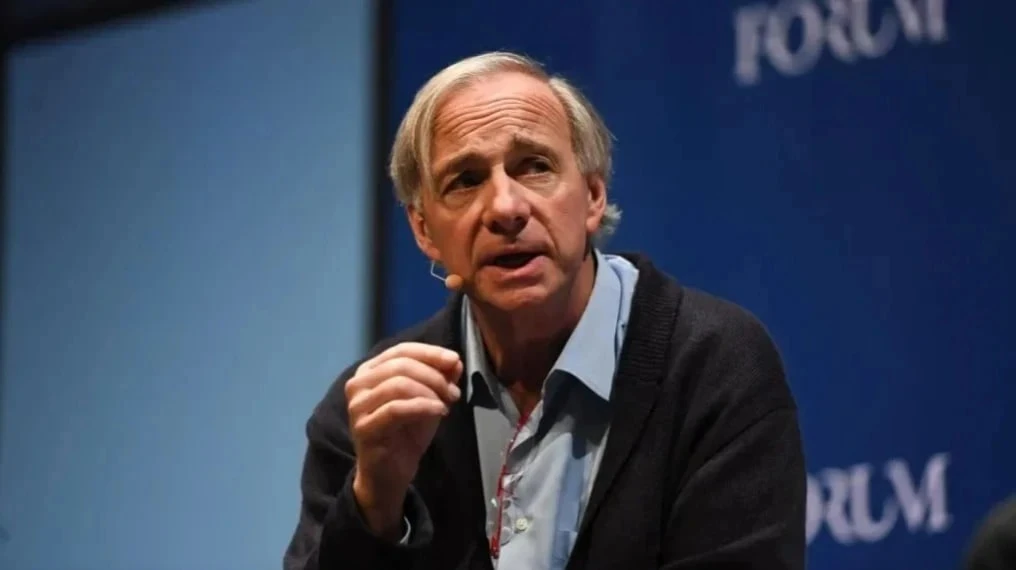
U.S. national debt is vulnerable to a decline in demand from China and Japan—two major foreign creditors / Photo: Flickr/Harry Murphy/Web Summit via Sportsfile
The U.S. Treasury bond market is vulnerable to a decline in demand from China and Japan—two major foreign creditors of the U.S. government. Billionaire and Bridgewater Associates founder Ray Dalio voiced this concern amid the ongoing sell-off of Treasuries. He believes the U.S. could face a debt crisis within three years.
Details
The U.S. finances about one-third of its debt with foreign capital, and a significant portion of those funds comes from Japan and China, Dalio noted during an appearance on Bloomberg TV. Japan is the largest creditor to the U.S., while China ranks third in terms of the amount of debt held.
“The Chinese don’t want to continue accumulating [these assets]—there are both geopolitical and economic issues at play here,” he said. “When you have a debtor-creditor relationship and you’re also adversaries, it creates a very complex dynamic.” Officially, the amount of U.S. Treasury bonds held by mainland China has fallen from a peak of $1.3 trillion in 2013 to approximately $618 billion in July of this year.
According to Dalio, Japan has lent the U.S. “a lot of money,” which it now wants back. In July, the value of U.S. Treasury bonds on Japan’s balance sheet fell by $12.8 billion to $1.1 trillion. That same month, Japanese authorities conducted currency interventions to support the yen. Recent data from the country’s Ministry of Finance indicate that Tokyo likely sold a portion of its foreign securities to finance these interventions, Bloomberg notes.
Dalio also pointed to growing funding challenges facing major technology companies investing in artificial intelligence. This means that the so-called hyperscalers are beginning to face difficulties, the agency reports.
"They used to raise equity capital, but now they have to turn to debt financing," said the billionaire, warning that several factors could lead to the bursting of the AI bubble. “Something like a wealth tax would have that effect, or the need to pay back the money.”
What's Happening in the Bond Market
The bond market’s months-long decline continues: the yield on 10-year U.S. Treasury bonds stands at around 5.3%, fluctuating at levels last seen in 2002. Since the beginning of the year, global bonds have lost 3% in value, while U.S. Treasuries have fallen 2.8% over the same period.
The Treasury market came under pressure due to growing investor concerns about the volume of government borrowing and inflation risks. Similar fears have triggered turmoil in sovereign debt markets in other countries as well. France, in particular, found itself at risk: for its 10-year bonds, the past quarter was the worst since the introduction of the euro.
Dalio stated that France “has reached its borrowing limit.” This has heightened investors’ fears that the country’s debt market, which is under heavy pressure, is facing a moment of reckoning, according to Bloomberg.
Context
Dalio’s comments came after U.S. Treasury Secretary Scott Bessent sought to reassure investors that a combination of economic growth and spending cuts would “very quickly” change the trajectory of government borrowing, the agency notes. The financial guru’s statements indicate that the finance minister has a lot of work ahead of him to convince investors, according to Bloomberg. The Bridgewater founder reiterated his warning that the U.S. could face a debt crisis in the next three years and emphasized that some borrowers are already feeling the pressure.
This article was AI-translated and verified by a human editor