An investor from "The Short Game" is steering clear of AI developers. What is he buying instead?
Steve Eisman, who predicted the 2008 housing crisis, is betting not on artificial intelligence, but on those who sell it megawatts and hardware

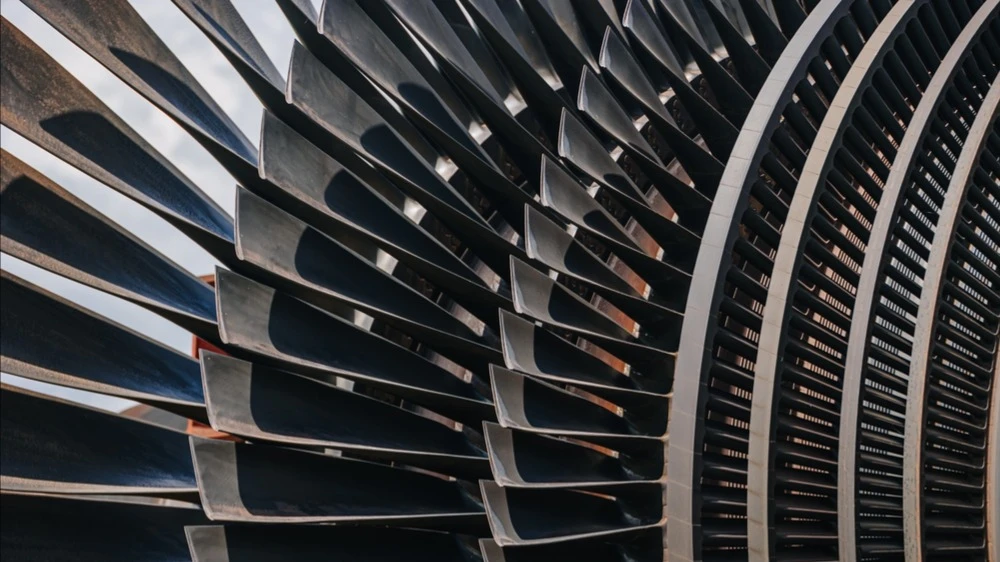
Aizman invested in turbine manufacturer GE Vernova, hoping to profit from the growing demand for energy to power AI / Photo: Shutterstock.com
The artificial intelligence sector is too concentrated, but that doesn’t mean there aren’t any interesting investment opportunities in it. Investor Steve Eisman, who predicted the 2008 U.S. housing market crisis and served as the inspiration for one of the characters in “The Big Short,” considers companies that provide equipment and infrastructure to the industry to be the most attractive. On the New Money podcast, he explained why he doesn’t invest in AI model developers, how he assesses hyperscalers, and where he sees clearer investment opportunities.
The Weak Link in the AI Industry
The AI industry is currently overly concentrated, according to Aizman. In essence, it depends on two companies: the largest AI labs, OpenAI and Anthropic, generate about 70% of their AI revenue for Microsoft and Amazon, and Google about 70% of their AI revenue, while they themselves remain unprofitable and depend on external capital—including from those same tech giants. If OpenAI and Anthropic lose funding or see their growth slow sharply, the consequences will affect the entire supply chain—from cloud companies to chip manufacturers and other infrastructure providers.
Aizman sees another problem in how AI is changing the business model of hyperscalers. Previously, Microsoft, Amazon, and Google generated so much free cash flow that they used the surplus to buy back shares. Now, huge sums are being spent on data centers and other AI infrastructure: according to Aizman’s estimates, the largest hyperscalers will spend about $700 billion this year alone. As a result, their free cash flow is shrinking sharply, and for some companies, it has already turned negative. Aizman, who has held Google stock for about eight years, says that today he effectively owns a different company: AI has significantly altered its financial profile.
Hyperscalers are protected from competition by the capital-intensive nature of their business: only a few companies are capable of financing the construction of data centers on such a scale. Aizman does not see the same competitive advantage for developers of AI models: users can quickly switch to a higher-quality model from a competitor, and companies are increasingly opting for cheaper solutions for tasks that do not require the most powerful systems. Therefore, he prefers not to invest in AI model developers.
Aizman's Choice
Aizman is betting on the “hammers and shovels” of the AI boom: rather than trying to pick a winner among AI models, he selects companies that sell equipment and infrastructure to the entire industry. The investor favors companies that benefit from the AI industry’s capital expenditures: chipmakers Nvidia and Micron; networking equipment manufacturers Arista Networks and Cisco; and energy companies Eaton and GE Vernova.
Eizman singles out GE Vernova—a manufacturer of gas turbines and power generation equipment—in particular. Just a few years ago, its energy business was considered so weak that one analyst estimated its value at minus $3 billion. Now, demand has changed dramatically, says Aizman. For the first time in about 15 years, electricity generation is on the rise in the U.S., and the construction of data centers is only increasing demand. According to Aizman, demand is growing by 3–4% per year—equivalent to the consumption of two large cities.
“People are talking about nuclear power. Bloom Energy offers small-scale systems that can be installed right next to data centers. But the bulk of the electricity demand will most likely be met by gas turbines. That’s exactly what Elon Musk did with the Colossus data center in Memphis: the power grid wasn’t ready to supply the facility with the necessary capacity, so he installed 35 mobile gas turbines and essentially built his own small power plant right next to the data center.”

According to the results of the last quarter, GE Vernova’s orders for gas turbines rose by approximately 85 percent, and its order backlog is already secured for years to come—the company is already accepting orders for deliveries after 2030. Eisman himself bought shares in GE Vernova early on.
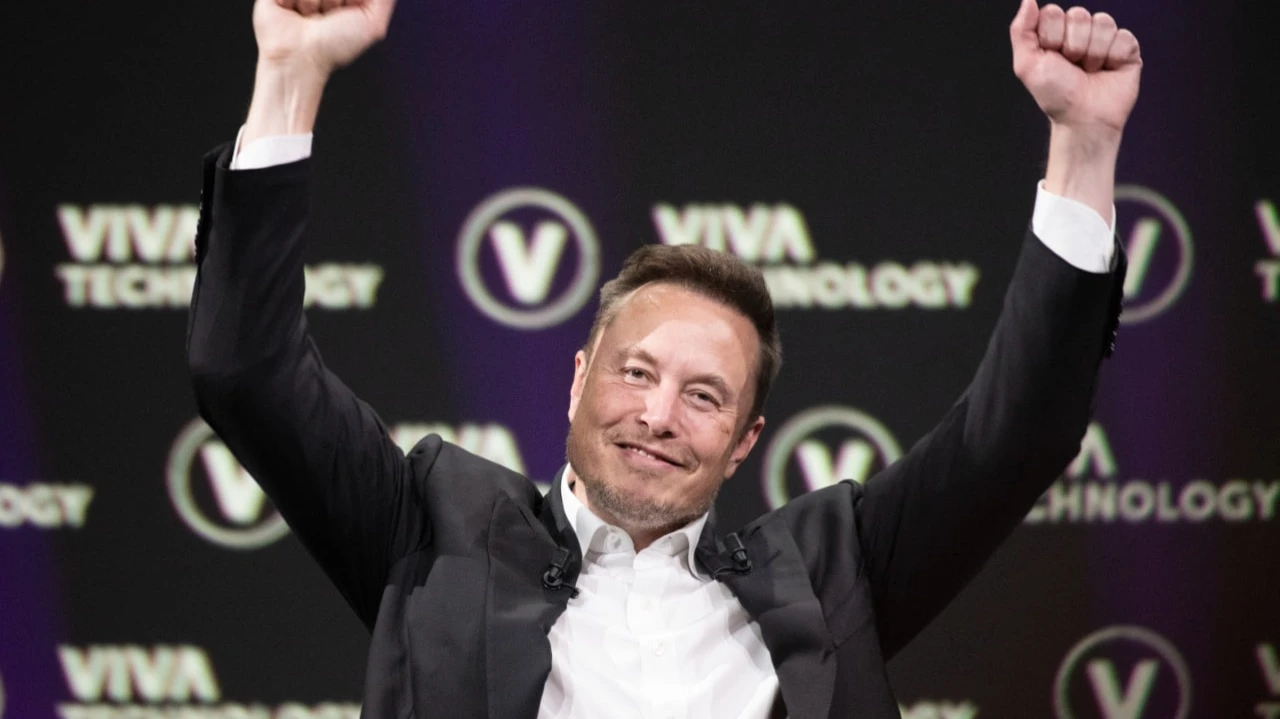
Aizman's Strategy
Aizman bases his investment strategy primarily on assessing a company’s prospects, rather than on searching for cheap stocks. A low price alone does not appeal to him: it often reflects real problems within the company. However, good business prospects alone are not a reason to buy—Aizman also takes stock valuations into account. For example, he considers Palantir an attractive company but does not buy its stock because of its high valuation.
Eisman values a sustainable competitive advantage but does not consider it a prerequisite for investment. He cites the presence of such a “moat” as one of the reasons he holds shares in Moody’s and Visa. When selecting companies, he prioritizes sustainable growth factors that are not directly dependent on the economic cycle. Therefore, Aizman generally avoids cyclical businesses, where investment returns are largely determined by economic forecasts.
In recent years, Eisman has invested exclusively in the United States. When he managed hedge funds, he also operated in foreign markets, but that schedule, he says, effectively blurred the line between day and night. That’s why Aizman has abandoned international diversification: there are plenty of opportunities for him in the U.S.
______________________
In the “Guru Portfolios” section on Oninvest, you can track the composition and changes in the portfolios of the world’s largest investors and funds. The service allows you to analyze the largest holdings, new ideas, and changes in asset allocations based on 13F filings, as well as compare portfolio performance over time.
This article was AI-translated and verified by a human editor