A "WTF indicator" went off on Wall Street. Why does the analyst say this is a bullish signal?
Citigroup, BlackRock and Morgan Stanley have urged clients to increase the proportion of U.S. equities in their global portfolios

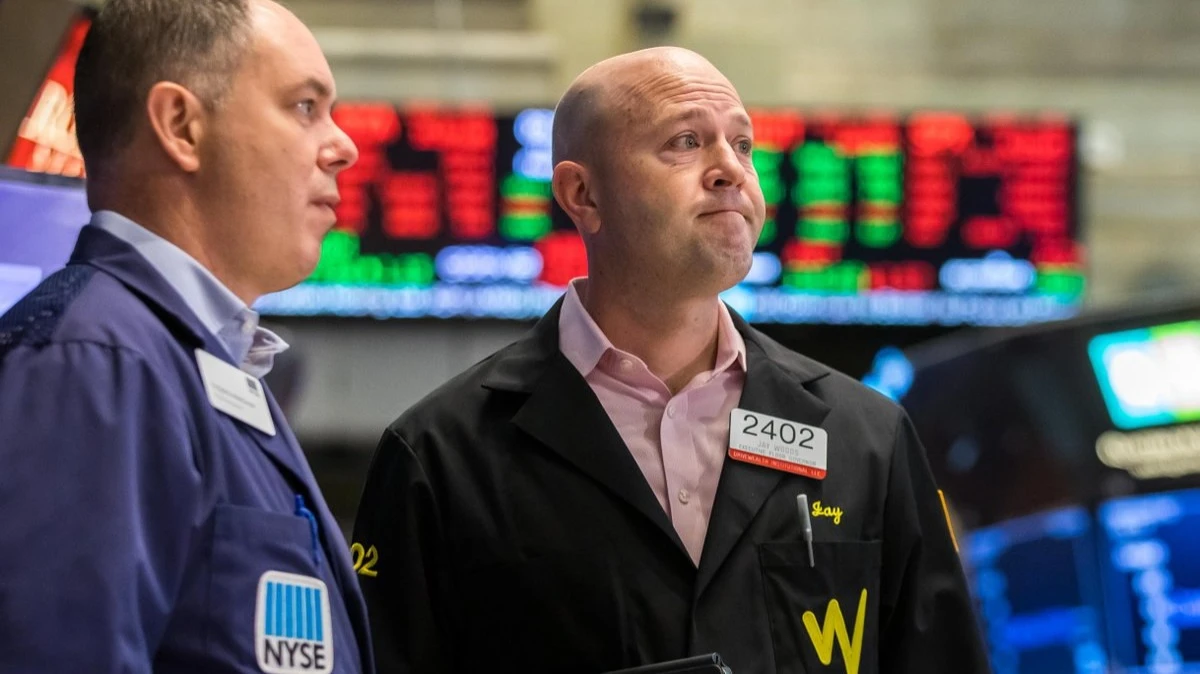
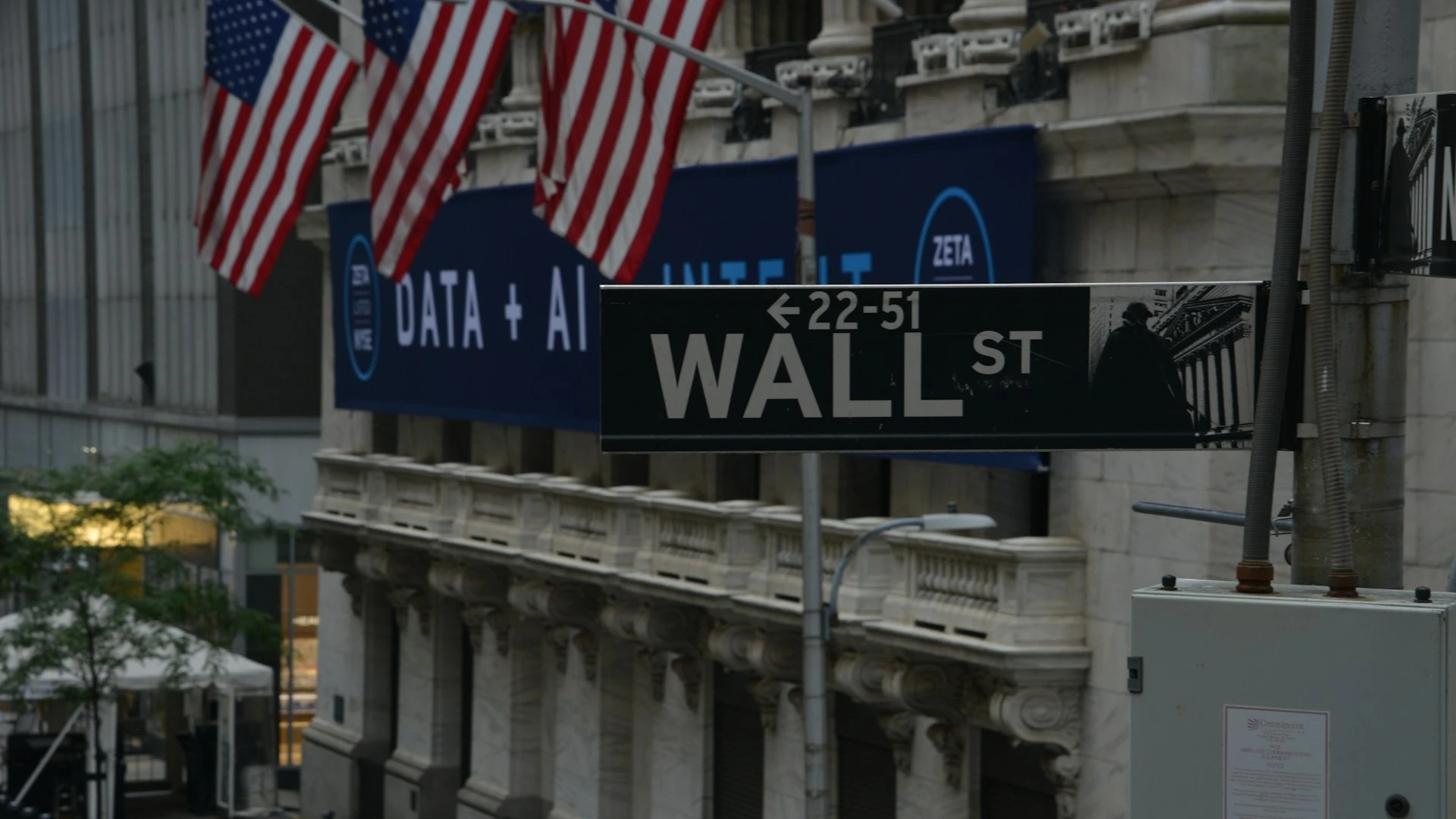
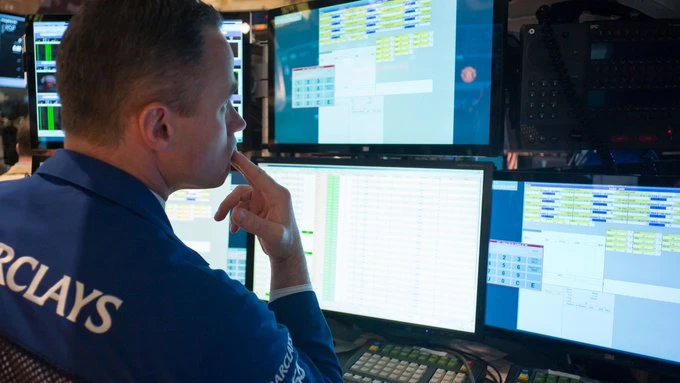
Traders on Wall Street on April 13 didn't expect stocks to stay down after the failure of Iran peace talks / Photo: X/NYSE
The illogical growth of the U.S. stock market, which occurred on April 13, despite the negative geopolitics, made analysts talk about the triggering of the so-called "WTF-indicator". Investors were expecting a collapse on Wall Street after the breakdown of peace talks with Iran, but instead, U.S. stock quotes remained stable with the opening of the stock exchanges and ended trading at a record level since the beginning of the Iranian war.
Details
Spectra Markets President Brent Donnelly attributed this dynamic to the "WTF indicator" (What the Fudge?). In his commentary, he wrote: "This indicator makes itself known when every person I talk to asks: "What the Fudge?" - about the movement [of stock market quotes]." He said people are experiencing a mixture of confusion and fury that stocks are barely falling. "This is a bullish signal," the expert added.
In a commentary for MarketWatch, Donnelly clarified that the WTF indicator has no specific measurable metrics, and its assessment is based on general market sentiment. He noted that the phenomenon is short-term in nature and is not reflected in trading statistics in any way, rather, it is the result of observing reactions and talking to other traders.
According to Donnelly, such a situation occurs when the scenario expected by everyone does not materialize in practice. As a result, investors find themselves "trapped" in erroneously opened positions. And while traders give up one by one and record losses, prices continue to move in an illogical direction - and for much longer than people are able to tolerate it and stay in the market, the expert explained.
The VIX Volatility Index, also known as the "Wall Street Fear Index," ended the previous day's trading at 19.12 - just below levels indicative of volatility in the markets.
What other analysts are saying
The resilience of U.S. indexes is partly due to the United States' status as an energy exporter, pointed out Hirtle Callaghan Chief Investment Officer Brad Conger (quoted in MarketWatch). More importantly, investors on Wall Street are confident that both Washington and Tehran are eager to find a way out of the crisis.
Conger said US President Donald Trump's decision to block the Strait of Hormuz could be a win-win situation as it would increase pressure on China, the main buyer of Iranian oil. "There is a chance that <...> the Chinese will come to the Iranians and ask: "What will it take for you to negotiate with the Americans?" - the financier noted.
An additional incentive to buy was the undervaluation of U.S. stocks by about 10%, calculated in Morningstar. However, the company's chief U.S. market strategist Dave Sekera warns of risks. "I think higher oil prices and supply disruptions will trigger much more volatility in the weeks and months ahead," he concluded.
Will the rally continue?
US corporations are expected to show exceptionally strong financial results for the first quarter: this is supported by a weak US dollar and the Trump administration's tax and spending plans, offsetting the damage from the war in the Middle East and the jump in oil prices, writes the Financial Times (FT). According to FactSet, the profits of companies in the S&P 500 may grow by 12.6% year-on-year, although before the conflict in late February was expected to grow by 11.4%, the publication points out.
At the same time, FactSet's optimistic scenario assumes a 19% increase in quarterly profits, which has not happened since 2021. Investors surveyed by the FT hope that the realization of this potential and a positive start to the new corporate reporting season will extend the stock market rally, which began last week on news of a ceasefire in the Middle East and allowed the U.S. stock market to recover to pre-war levels.
Context
Citigroup strategists, following BlackRock and Morgan Stanley, have become more positive about the prospects of the U.S. stock market, reports Bloomberg. Due to the military uncertainty, the bank on April 14 raised the rating of U.S. stocks from neutral to "above market" (Overweight, corresponds to the advice to buy) in the global portfolio, with a bias toward "quality and protective securities".
The day before, the S&P 500 closed at its highest level since the end of February - even before the war in the Middle East. The Dow Jones Industrial Average (+0.6%) and the Nasdaq Composite (+1.23) also finished the day in the green zone.
This article was AI-translated and verified by a human editor