Space stocks collapse after Blue Origin rocket explosion and SpaceX valuation drop

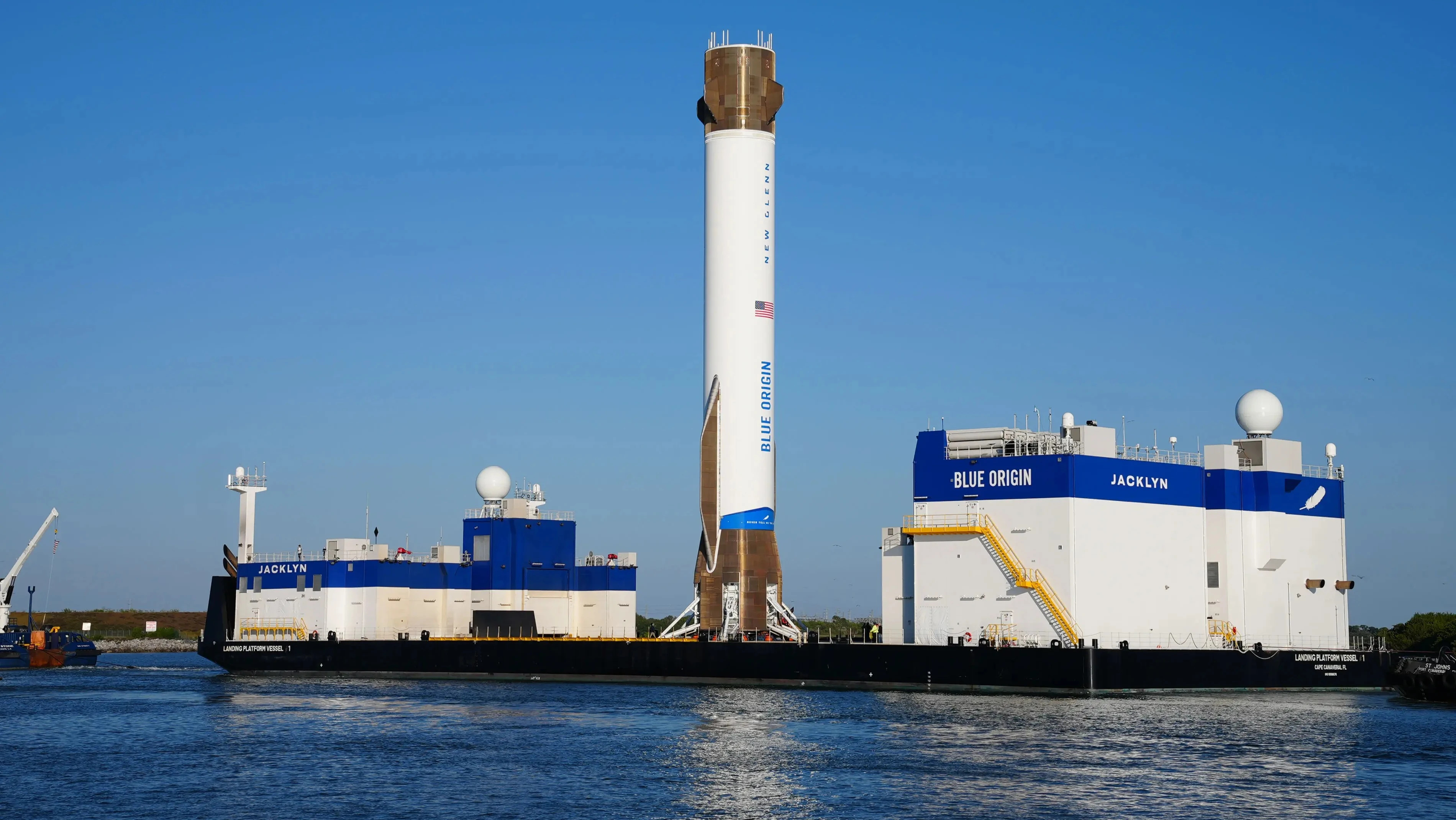
Shares of aerospace companies fell sharply after Blue Origin's New Glenn rocket test failed / Photo: Blue Origin
Shares of space companies fell sharply in trading on Friday, May 29, after Jeff Bezos's Blue Origin rocket exploded during testing and Elon Musk's SpaceX cut its valuation for an IPO from the previously discussed $2 trillion to $1.8 trillion, according to Bloomberg sources.
The hardest hit was satellite operator AST SpaceMobile, which uses Blue Origin rockets to deliver its vehicles into orbit. Shares of this company collapsed by more than 20% at the low - this is their worst one-day decline in more than two years, calculated MarketWatch. At the end of trading, the stock rebounded slightly and ends the day down 16%.
Quotes of spacecraft manufacturers Redwire and Intuitive Machines collapsed by 16% and 15% respectively at the beginning of trading. Another developer - Firefly Aerospace - was losing 11% of its value at the minimum. The capitalization of Rocket Lab, which is engaged in delivery of cargo into orbit, fell by about 6%, and specializing in space images of the Earth Planet Labs - was declining by almost 13%, but then cut most of the losses.
All of these companies have risen significantly in recent weeks in anticipation of SpaceX's initial public offering and especially after the formal filing on Ma. 20. CNBC called this rally an "IPO premium" that benefits both partners and competitors of Elon Musk's company. Friday's collapse cut some of the sector's gains, but Rocket Lab shares, for example, are still worth 80% more than they were at the beginning of the month, while AST's stock price is up 56% in that time.
What the analysts are saying
"Investors have been focused solely on the potential benefits of the space sector. [The Blue Origin accident] was a cold shower for an overheated market," Bloomberg quoted Interactive Brokers chief strategist Steve Sosnick as saying.
"When setbacks like this occur, which can push back the timing of future launches and the timing of reaching profitability, many investors sell stocks first and ask questions later," said Eric Deaton, president and managing director of The Wealth Alliance. He recalled that space company securities have very high valuations based on expectations of future profits, so they are particularly susceptible to sharp fluctuations.
"The risk of a long pause before the next launch [of a Blue Origin rocket] threatens to disrupt AST SpaceMobile's schedule," warned Bloomberg Intelligence analyst John Butler. He believes the flights will likely be put on pause while the investigation takes place. Brian Kraft of Deutsche Bank downgraded AST's stock after the accident, declining to recommend buying it. He believes the company will not be able to fulfill its plans to put satellites into orbit in 2026. The commercial launch of AST's service could be pushed back to 2028, said satellite consultant Tim Farrar.
What happened to the Blue Origin rocket
A New Glenn rocket exploded at Blue Origin's launch pad at Cape Canaveral. Both AST SpaceMobile and Amazon, founded by Bezos, were hoping to use this launch vehicle to put satellites into orbit. Less than two days before the accident, Blue Origin had announced plans to send 48 Amazon satellites on its fourth New Glenn mission. The incident has heightened concerns about the two projects, which are meant to compete with SpaceX's Starlink satellite network.
It is noteworthy that the explosion occurred just a week after the first test flight of SpaceX's new third-generation Starship mega rocket. It also ended with the destruction of the vehicle - when it landed in the Indian Ocean. The U.S. regulator demanded an investigation before the next launch, MarketWatch notes.