The war has brought down the shares of China's biggest airlines. HSBC expects their losses to reach $3.2 billion

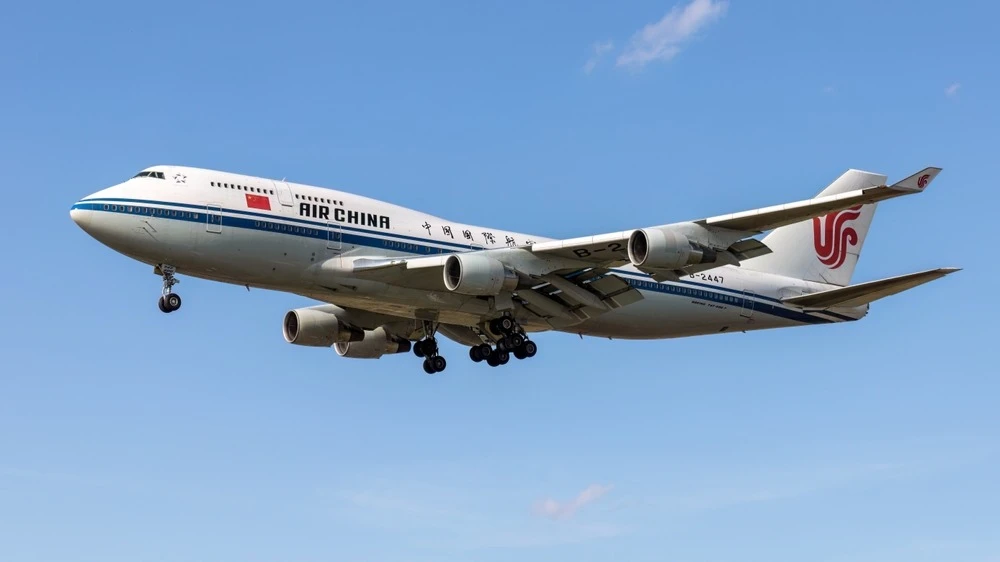
Shares of China's leading airlines lose value faster than competitors / Photo: Telsek / Shutterstock.com
Shares of China's leading airlines are losing value faster than their Asian competitors. Since February 28, when hostilities began in the Middle East, the securities of Chinese carriers have collapsed by about 30%, CNBC writes with reference to LSEG data. By comparison, the shares of Singapore Singapore Airlines have fallen by 9% over the same period, Korean Air Lines - by 7%, Japanese Japan Airlines - by 20%.
This drop reflects the scale of the operational crisis: HSBC analysts predict that in 2026, the combined net loss of China's "Big Three" airlines - Air China, China Eastern and China Southern - will reach 22 billion yuan ($3.2 billion). This will completely wipe out their profitable first quarter, CNBC emphasizes.
Why did this happen
The main blow to Chinese airlines has been the fuel crisis caused by the blockage of the Strait of Hormuz due to the U.S.-Iran war. Singapore's Platts jet fuel benchmark soared from $93 to a record $242 a barrel in late March before correcting to $163. In China itself, despite government regulation, refineries' selling prices for jet fuel jumped 74% in April.
The situation is exacerbated by the fact that Chinese carriers, unlike their global competitors, do not hedge their fuel purchases, CNBC explains. According to DBS analysts, of the Big Three, only China Eastern tried to manage these risks, but its position was minimal. Air China and China Southern met the fuel shock without hedging, having found themselves completely defenseless against oil price hikes, the channel specifies.
To offset costs, PRC airlines are trying to shift costs to passengers and are sharply raising fares and fuel surcharges. However, this has already wreaked havoc on demand. According to Goldman Sachs, the number of domestic flights in China fell 12.7% year-on-year in the week ended Ma. 14, and the cancellation rate soared to nearly 30%, sharply worse than seasonal norms, CNBC points out.
Carriers cannot raise prices further without pain: China's domestic market is extremely sensitive to ticket prices, and on many key routes, aviation is being squeezed by the expanding high-speed rail network.
The only thing holding China's Big Three together in this situation is Beijing's direct support. "State-owned companies will remain resilient and can continue to raise capital to stabilize their balance sheets. This makes them less vulnerable to bankruptcy than private global carriers in a similar position," says Parash Jain, head of transportation research at HSBC.
This article was AI-translated and verified by a human editor