"Clearly Not What the Market Wanted": Trump's New Threats Against Iran Sent U.S. Stocks Plummeting


Photo: The White House
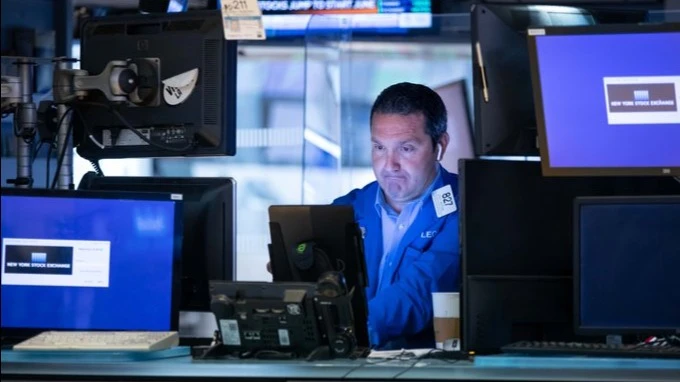
Major U.S. stock indices opened lower on July 8: The U.S. and Iran exchanged blows again overnight, and later, U.S. President Donald Trump announced the end of the ceasefire with the Islamic Republic and threatened Tehran with “a new, powerful strike” today: “I’ll issue a small warning—we’ll see how this all plays out—but I’m very unhappy with them [Iran],” Trump added at the NATO summit in Turkey (as quoted by Bloomberg). The escalation of the conflict in the Middle East has led to another spike in oil prices and triggered a global decline in investor risk appetite, notes Reuters.
Details
Following Trump’s remarks, Brent crude oil futures for September delivery surged to a high of over $79 per barrel on July 8—at the time of publication, their rise had slowed slightly: they are up 5% and trading at $78. U.S. WTI is trading at $73.55 (up more than 4% from the previous close).
The Dow Jones Blue Chip Index fell 0.85%, the tech-heavy Nasdaq Composite fell 0.35%, and the broad-based S&P 500 fell 0.48%.
The VIX volatility index, also known as the “Wall Street fear index,” surged to nearly 19 points on Wednesday (any reading above 20 indicates heightened nervousness and volatility in the market). As of this writing, the VIX is up 6.5% to 17.18 points.
Spot gold is down 0.88%—trading at $4,070 per ounce—while spot silver is down 2.56%—trading at $58.4.
The yield on 10-year U.S. Treasury bonds reached 4.583%—the highest level since May 22, according to The Wall Street Journal.
What People Are Saying in the Market
"This [escalation of the conflict in the Middle East] is clearly not what the market wanted, and it's having a very significant impact on sentiment," said Chris Boshamp, chief market strategist at IG (as quoted by Reuters).
"The key question is whether the Strait of Hormuz will remain open, whether shipping traffic [through it] will continue, and whether oil can continue to flow [from the Middle East]," — added Kun Go, head of Asian research at ANZ.

This article was AI-translated and verified by a human editor