"Defense is our priority": how Greenlight's founder beat the market in a time of war
Hedge fund manager David Einhorn, who predicted the collapse of Lehman Brothers, told what deals he was able to make money on in the first quarter

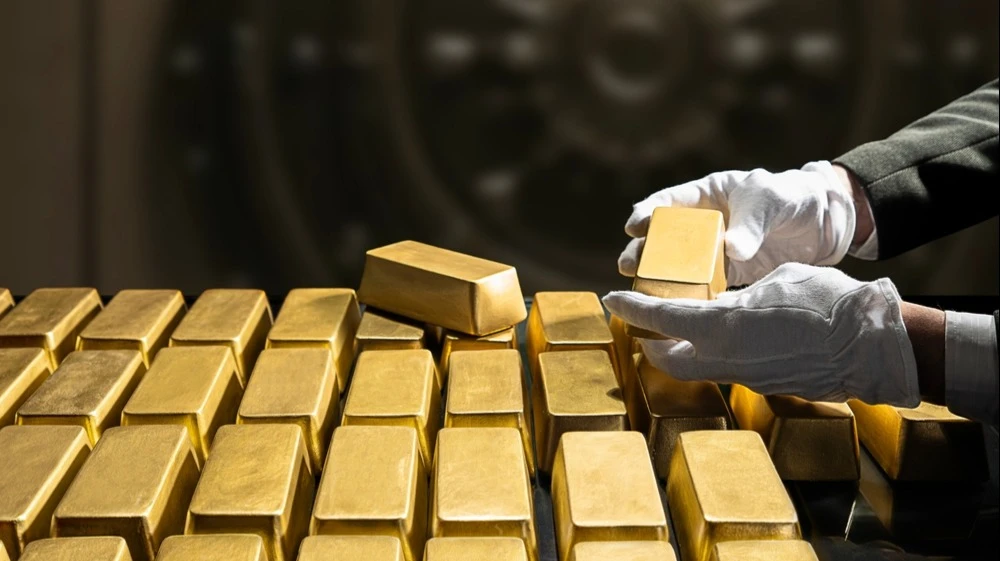
Despite the drop in price after the war began, gold has become one of Greenlight Capital's most profitable assets / Photo: Shutterstock.com
Investors are underestimating the potential risks from war in the Middle East, Greenlight Capital hedge fund manager David Einhorn warned in a letter to clients this week. He was the first Wall Street veteran to disclose his trades for the first quarter during which the war broke out and revealed which positions brought him the most profits. Oninvest has selected the main things from his letter.
How Einhorn is investing now
Greenlight's funds returned 6.5% in the first quarter, while the S&P 500 U.S. broad market index lost about 4.5%. According to the fund's founder, Greenlight kept a relatively low risk profile even before the war started, as the market was "very expensive", and is now not ready to change its strategy to a more aggressive one.
"[Since the war started] we have changed virtually nothing. Traded around index hedges and opened a long position in October oil futures, which have risen only moderately as few expect sustained shortages," Einhorn wrote. Here's what was happening in the hedge fund's portfolio last quarter:
- gold. After gold rose in price by almost 30% in January, Greenlight sold most of the stake. This made gold one of the fund's best-performing assets in the first quarter, despite the subsequent decline. Greenlight maintained a small position in gold in binary call options.
- Greenlight remained in a long position on SOFR futures - this investment allows earning on the US Fed rate cut. So far, Greenlight is at a loss - due to the sharp rise in oil prices, traders doubted the rate cut. Nevertheless, the hedge fund believes that the new head of the Fed will be more inclined to ease monetary policy than the previous one.
- DHT, an operator of crude oil tankers. Its shares rose 50% in the first quarter amid supply shortages. Einhorn listed DHT among Greenlight's top yielding stocks, but did not specify whether the fund's position in the company had changed.
- The situation is similar with CNR, a coal and natural gas producer. Its shares rose by more than 18%, mainly after the war started, due to increased demand for coal.
What else did Greenlight do:
- Docked shares of ACHC, the largest operator of mental health clinics in the US. The company had been under pressure in recent years due to management problems and allegations of mistreatment of patients. Greenlight, anticipating a change in management, increased its position in the company earlier this year - ACHC is now one of its top 5 assets. Greenlight's average purchase price was $16.24, and the stock jumped to $23.39 after the new CEO took over.
- has opened a "mid-cap" position in cable company Versant Media Group, spun off from Comcast. Greenlight believes in Versant and believes the stock has been severely undervalued since the spin-off.
- has opened a "small" position at Crocs. Falling sales in the US last year "created existential concerns" about the brand. Einhorn believes they are exaggerated and expects an active share buyback by the company.
- another new "small" position is the stock of SLM, the largest "student debt bank" in the US. Greenlight has taken advantage of the stock's fall due to concerns about white-collar workers being displaced by artificial intelligence and the threat of debt defaults. The hedge fund expects the impact of AI on employment won't be disruptive - workers will be able to retrain. The risk of bad debts is also low - almost 90% of SLM loans have guarantors - usually parents or grandparents.
- sold all shares of infrastructure services provider Kyndryl Holdings, spun off from IBM, in part because of the impact of AI on the company's business. Einhorn's fund invested in Kyndryl more than four years ago and managed to lock in some profits before the stock plummeted.
- Recorded a profit at Warner Bros. Discovery two months after the purchase amid a battle to buy the company. Also fully sold shares in payment operator Global Payments and Lebanese government bonds.
Caution to investors
Even the most cautious investors now have one foot on the brake and the other on the gas, Einhorn writes. He says events in recent years - such as a pandemic or "Emancipation Day" - have accustomed investors not to sell on bad news. So most are now focused on the favorable scenario, which Einhorn sees as dangerous.
"It will surprise no one that capital protection is once again at the top of our priority list," he writes. - Since downside risks are virtually priced in, we are willing to take the risk of missing out on a possible recovery and prepare positions for more action if one of the negative scenarios materializes."
Among the negative scenarios, the investor categorized an escalation of conflict that would lead to the destruction of infrastructure in the Middle East, as well as a potential "black swan" - an event that cannot be predicted.
Context
Einhorn is one of those investors that the market is following particularly closely, Forbes writes. He first drew attention to himself in the 2000s with his public conflict with the investment company Allied Capital, whose shares he was shorting. Allied Capital did not survive the 2008 crisis and was sold at a price nearly 90% below its peak pre-crisis valuation. Einhorn described this story in the book Fooling Some of the People All of the Time. In 2007, he made another notable trade - shorting shares in banking giant Lehman Brothers, which collapsed less than a year later. Bloomberg noted, for investors, Einhorn's annual client dinner was the second most important event after Warren Buffett's Berkshire shareholder meeting.
This article was AI-translated and verified by a human editor