"Fall Will Be Interesting": An Investor from "Betting on a Downturn" Has Reduced Risks and Is Holding Cash
Michael Burry has reduced his short positions in technology companies and built up his cash reserves


Burry has long been waiting for the hype surrounding artificial intelligence to die down / Photo: Unsplash / Salvador Rios
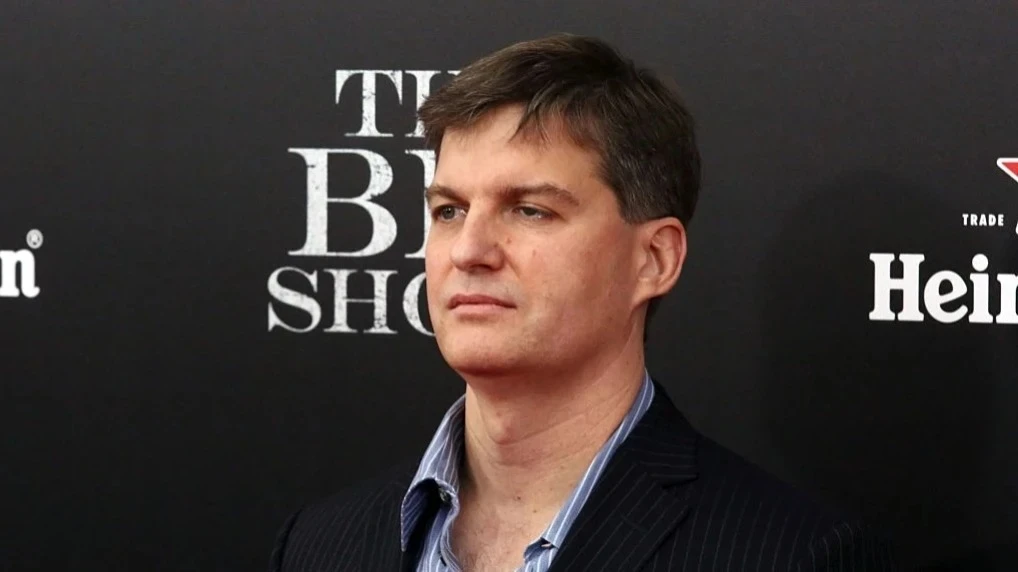
Investor Michael Burry, known as the inspiration for the protagonist in the book and film *The Big Short*, announced that he is reducing risk in his portfolio. In his blog, Cassandra Unchained, on Substack on September 9, he wrote that he had closed out some of his positions and was “happy to sit on” the freed-up cash while monitoring market developments.
"This fall will be an interesting one for the market," the investor noted.
How has Burry's portfolio changed?
Burry sold all of his put options on Nvidia and Palantir with a December 2026 expiration date, choosing not to roll them over to a later date. According to him, the exit from the position was driven by a desire to avoid asset depreciation as the expiration date approaches. The transaction should not be viewed as a softening of his stance toward the technology sector — the short seller continues to hold put options on Palantir shares and the Invesco QQQ Trust exchange-traded fund, which tracks the Nasdaq-100 index, with a maturity date in December 2027.
Burry wrote that he also reduced all of his remaining positions without changing their order by size. Lululemon, Molina Healthcare, and MercadoLibre remain the largest long positions in his portfolio. Among his short positions, Oracle, Palantir, and Nebius continue to rank at the top, followed by Nvidia and the iShares Semiconductor ETF (SOXX).
The investor also said that he is keeping an eye on the decline in the dollar index and plans to devote one of his next posts to the foreign exchange market.
Context
Burry has long been betting on a cooling of the hype surrounding artificial intelligence. In the third quarter of 2025, about 80% of the assets in his hedge fund, Scion Asset Management (now liquidated), were allocated to short positions against Nvidia and Palantir. The investor attributed his bet against Nvidia to concerns about a circular financing scheme the chipmaker had set up for customers purchasing its chips—Burry drew a parallel with the mortgage market of 2005–2006. He had previously attributed his negative view of Palantir to the company’s overvaluation relative to its cash flows and low trading volumes at the peak of the stock’s rally.
About a month ago, Burry wrote that he was bracing for a sharp drop in stock prices. In his assessment, the stock market could face a crash comparable to “Black Monday,” when the Dow Jones Industrial Average plummeted 22.6% in a single day.
This article was AI-translated and verified by a human editor