Fantastic mega-adventures, magical healings, and amazing transformations
Top News and Analysis of the Week

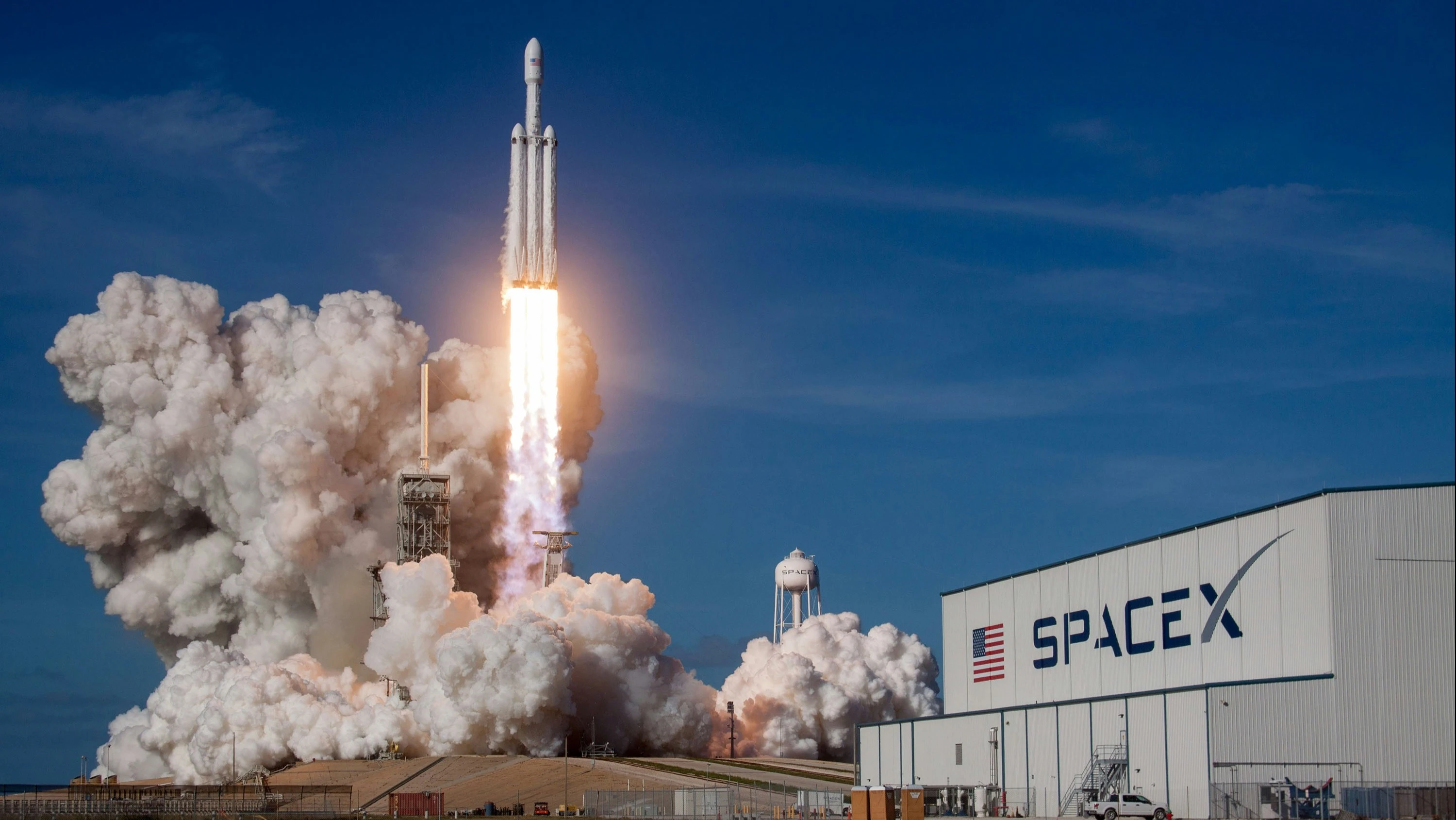
It is possible that Elon Musk's SpaceX could face a correction in the foreseeable future. Photo: SpaceX / Unsplash.com
After the euphoria surrounding SpaceX’s IPO on June 12, the market began to slowly come to its senses—in just this past week, shares of Elon Musk’s space company have already experienced a significant correction. Specifically, on June 22, the stock price fell by more than 16%, and over the past week alone, it has dropped by just over 17%.
We examined why SpaceX is highly likely to face a sharp correction in the foreseeable future, and how this will worsen market conditions for other companies waiting in line for mega-IPOs. Spoiler alert: Investors bought into the glamorous narrative about space and AI—essentially, a visionary’s fairy tale about colonies on the Moon and Mars that would be impossible without SpaceX. In reality, however, the main character of this story is faith in an incredible future. It clashes with the “cruel” reality of capital expenditures, debt obligations, and pressure on free cash flow.
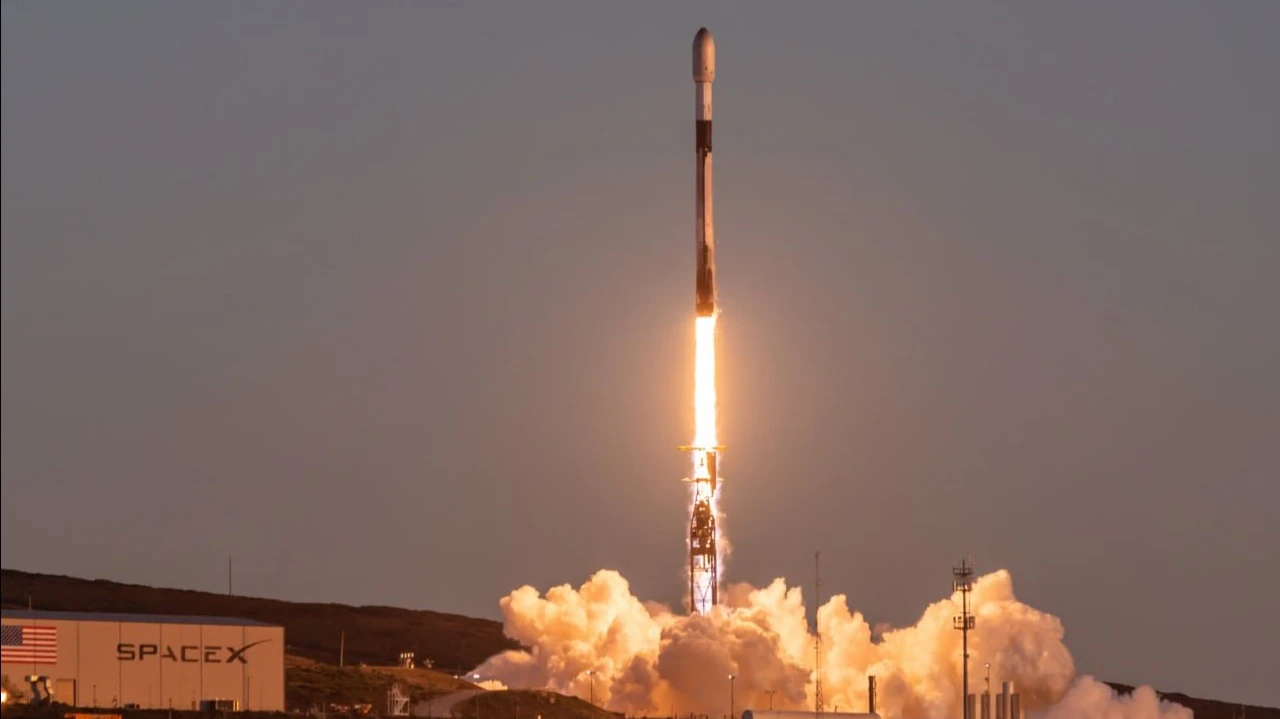
By the end of the story, Elon Musk is no longer a trillionaire, though this isn't just due to the drop in SpaceX's stock price—Tesla's stock price also fell.
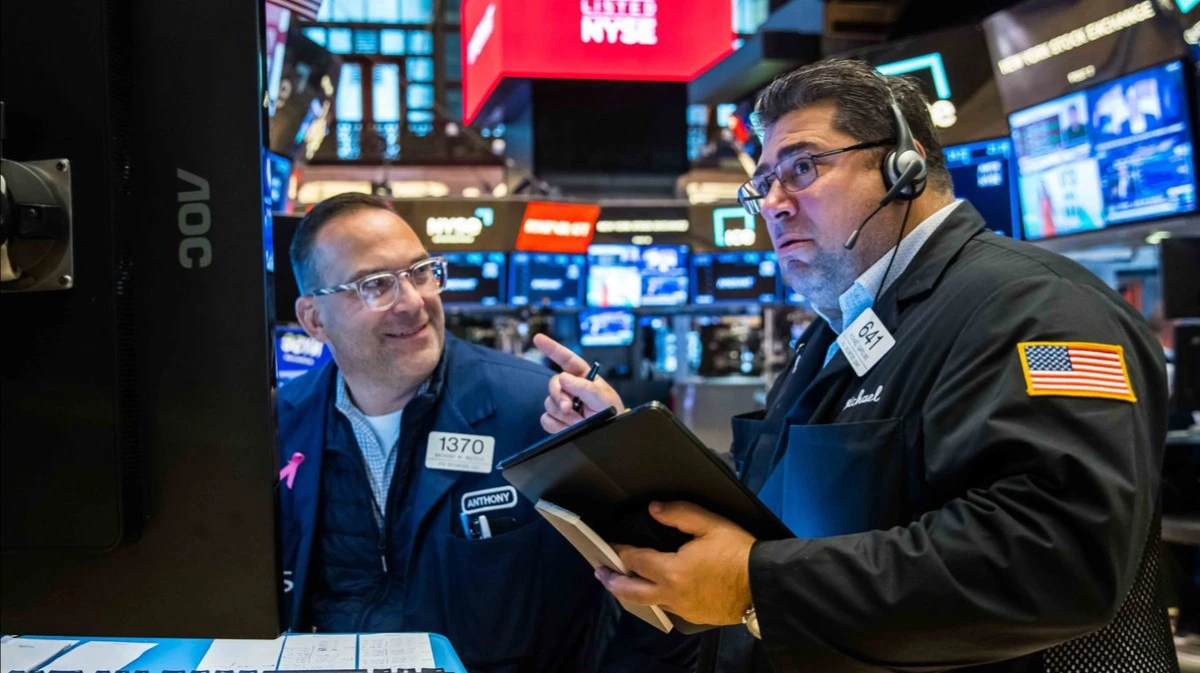
This week, almost every major event in the markets seems like its own fairy tale, complete with its own heroes, miracles, and defeated characters.
For example, my colleague Anna Krasnova looked into what Seth Klarman—one of the gurus of the value investing approach, who has been a long-term investor for many years and prefers companies that are cheap based on fundamental metrics—has to say about the wave of mega-IPOs. Here, the fairy tale is no longer so much about the hero as it is about the carriage that turns into a pumpkin: we may face an imbalance between supply and demand for stocks; their prices may fall simply because there will be too many shares on the market, and private companies will need to convert their shares into cash.
But life exists outside the fairy-tale universe of mega-cap stocks as well—and it’s just as eventful and exciting. This story is about miraculous cures: this week, shares of biotech company Boundless soared nearly 90% amid a sell-off in risky assets. Investors were looking for stories that could rise amid volatile news. As they say, every cloud has a silver lining. More importantly, however, Boundless is developing a drug that destroys cancer cells in an unconventional way, rather than merely blocking their growth.
Another story concerns the transformation of the instant payment system currently operating within the U.S. into a channel for settlements with foreign counterparties. This refers to the Fed’s intention to open its FedNow system for cross-border transfers. My colleague Yulia Petrova immediately raises the question: How can it compete with SWIFT and private fintech solutions? How might such a “transformation” redistribute margins among other giant payment service providers—Visa and Mastercard—and, at the same time, what does this mean for governments and companies that are already building their own fast payment systems?
The memory chip market has a life of its own. So this week, we ’ve also been following this story—about the “castles” of data centers. Their rapid expansion around the world has triggered an extremely sharp increase in demand for memory and storage devices—prices have quadrupled over the past three quarters. This means Apple fans will be paying more for the company’s devices.
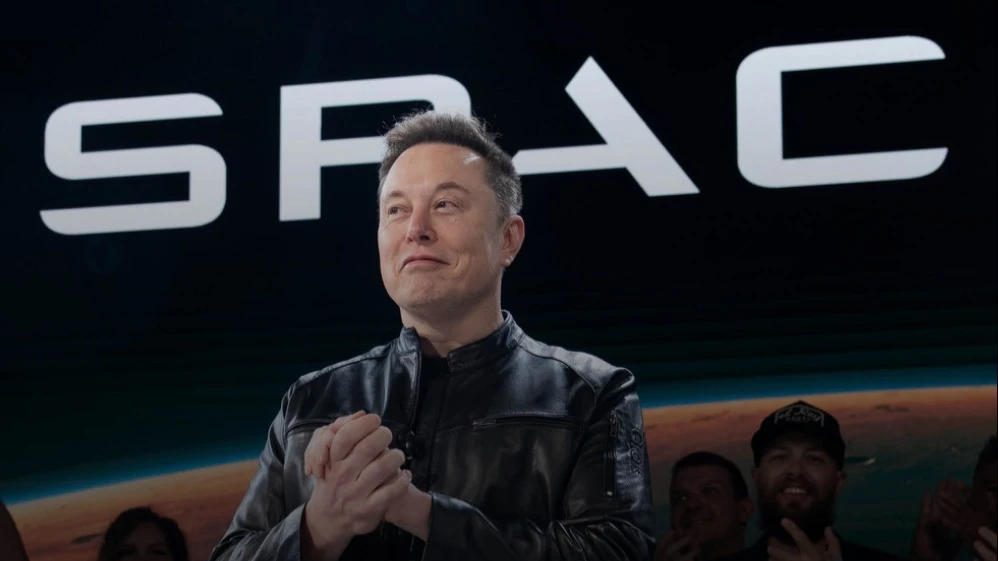
But we won’t focus solely on sad stories, so let’s talk about another of Musk’s “fairy tales”—about a future without money. Yes, the billionaire is convinced that money will soon become much less important—or even disappear altogether. That said, traditional professions may also disappear—check out our article on the future; it’s a nice distraction from market volatility.
And be sure to subscribe to our Telegram channel—it makes it easier to stay up to date on the latest news!
This article was AI-translated and verified by a human editor