Goldman Sachs Expects a Data Center Boom in Asia. What Do Investors Need to Know?
Analysts predict an increase in demand for computing power, but believe the region has its own limitations


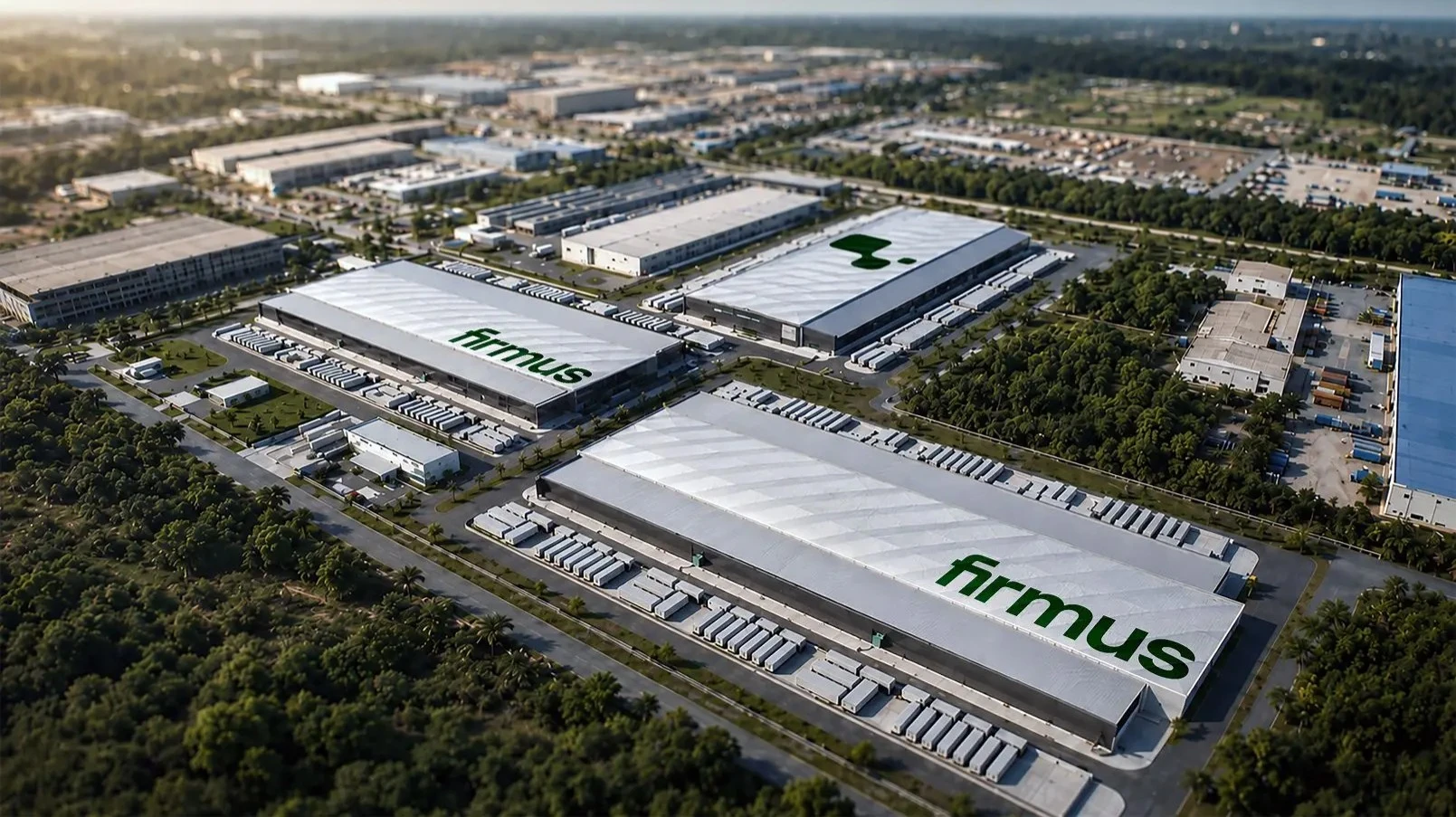
Goldman Sachs estimates that the data center market in Asia will grow by 20% annually, driven by demand for cloud services / Photo: x.com / NYSE
The number of data centers in Asia will grow, and demand for AI infrastructure will extend beyond the established market in Singapore and Malaysia, according to Goldman Sachs Research. The bank advises keeping an eye on India, Japan, the Philippines, and China, where demand for data centers is expected to grow by an average of 20% per year. However, analysts warn that the pace of new facility rollouts will depend on how quickly countries can prepare their power grids for the increased load.
Details
Goldman Sachs believes that the data center market in Asia will grow driven by demand for cloud computing capacity and artificial intelligence infrastructure. Companies are willing to commit to orders even before construction of data centers begins in order to secure sites with the desired configuration in advance. For example, in China, analysts estimate that demand for data centers will grow by an average of 20% per year from 2025 to 2028. At the same time, the bank forecasts that data center utilization rates will rise above 60%, meaning that growth will be driven both by the construction of new facilities and by more active use of existing infrastructure.
At the same time, analysts note that the potential of the Asian market is not limited to the already established Singapore–Johor–Riau triangle: there is potential for growth in India, Japan, and the Philippines. In India, a strong engineering base and strategic proximity to the Middle East enable market expansion; in Japan, government initiatives are driving the launch of new data center projects, and in the Philippines, the ability to expand energy supply to support new projects is a key factor.
Another factor driving scalability is the versatility of new data centers. Operators in Southeast Asia are designing data centers with hybrid cooling and varying rack densities to suit a variety of customers: companies with AI workloads or businesses with cloud-based operations.
However, according to Goldman Sachs, the development of data centers in Asia is being held back by energy issues: network capacity and the inability to connect new facilities to large, stable power sources. Expanding and modernizing network infrastructure takes years, sometimes even decades.
According to Goldman Sachs, this infrastructure gap could be bridged through public-private partnerships, in which data center operators and hyperscalers invest in networks that are modernized by the government and the power grid companies under its control. In addition, analysts note that businesses can meet part of their energy needs through renewable sources.
This article was AI-translated and verified by a human editor