Google Avoided Being Forced to Sell Its Ad Exchange in an Antitrust Case
Advertising is Google's main source of revenue


Google Avoided Yet Another Threat of a Forced Breakup / Photo: Unsplash/Solen Feyissa
A federal court has ruled that Google will not have to sell its AdX ad exchange, as demanded by the U.S. Department of Justice. Instead, Google will only be required to change the rules governing its advertising technologies, according to Bloomberg. The search engine has managed to avoid a second attempt to break up its business due to antitrust concerns; previously, it was able to retain its popular Chrome browser.
Details
On September 2, a U.S. federal court rejected the Justice Department’s demand that Google sell its AdX advertising exchange. The court also declined to require the company to disclose the operating principles of the system that determines the winner of an ad auction. Instead, Judge Leoni Brinkema ordered Google to make changes to its advertising business to ensure compatibility with competitors’ technologies.
The full court ruling has not yet been published: the parties have been given 14 days to request that sensitive information be redacted. If the parties do so and justify their position, the ruling will be published later in September with redactions; if not, it will be published in full. In addition, the parties must agree on and submit a joint draft of the final ruling within 30 days; if they cannot reach an agreement, they must submit their own proposals.
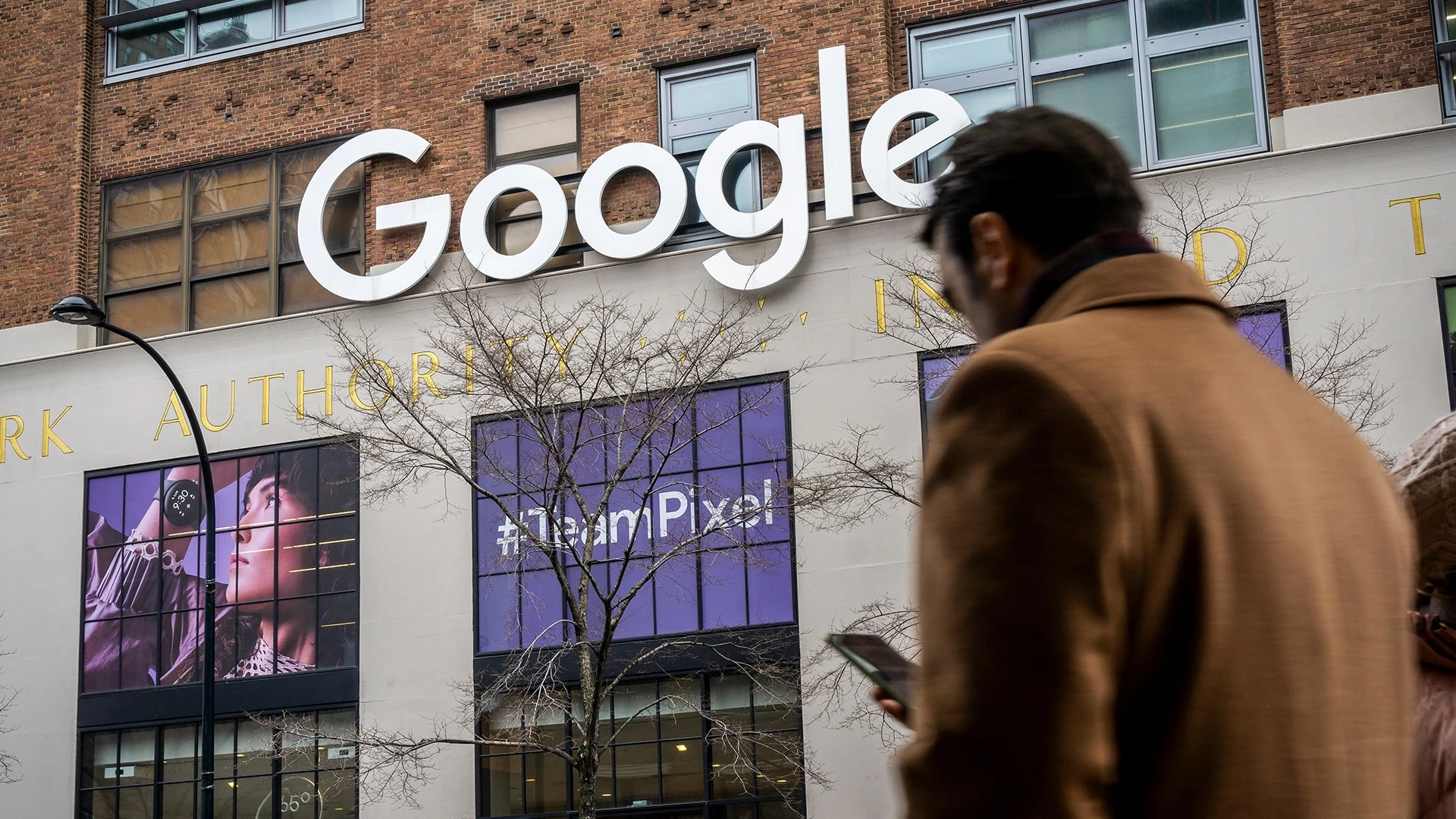
“We are very pleased that the court rejected the Justice Department’s proposal to split up the tools that help small businesses find new customers and grow,” said Google Vice President for Regulatory Affairs Lee-Ann Mulholland, as quoted by Bloomberg.
The U.S. Department of Justice is pleased that the court has ordered Google to take significant measures: “The Department will continue to fight for fair competition,” Deputy Attorney General Stanley Woodward said on the social media platform X.
Shares of Alphabet, Google's parent company, rose 0.6% during trading on September 2, reaching $337.12.
What does that mean?
The ruling was a victory for Google, which avoided being required to sell a major advertising asset as part of an antitrust investigation, according to Bloomberg. In April 2025, Brinkema acknowledged that the company had illegally monopolized two advertising technology markets. In May, the Department of Justice demanded that Google sell AdX and disclose the logic behind the advertising auctions that determine the winning bidder among advertisers.
Google’s advertising infrastructure acts as an intermediary between publishers selling ad space and advertisers bidding on it, according to Bloomberg. U.S. regulators argued that Google’s simultaneous control over both the dominant ad server for publishers and one of the largest ad exchanges allowed the company to favor its own systems and influence auction prices and outcomes, the agency added.
Context
Global spending on digital advertising exceeds $919 billion, according to an estimate by research firm eMarketer cited by Bloomberg. Google’s advertising technology business generated about $30 billion for the company last year, accounting for roughly 8% of its parent company Alphabet’s revenue, The New York Times notes.
The ruling also marked Google's second victory in the U.S. regulator's attempt to force the company to sell off part of its business, according to Bloomberg. In another antitrust case related to Google's monopoly in the online search market, a court in Washington, D.C., declined to order Google to sell its Chrome browser.
This article was AI-translated and verified by a human editor