Gucci's parent company's stock plummeted by more than 10% due to a decline in sales
Revenue for the group's flagship brand fell 6% amid weak demand in China and Japan

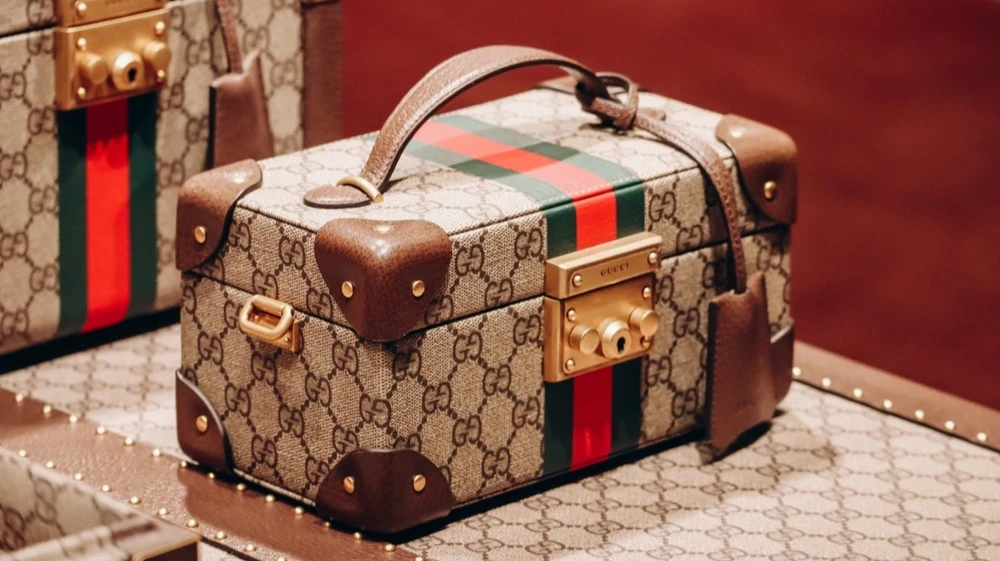
Gucci's decline in sales has dampened investor optimism / Photo: Andrei Antipov / Shutterstock.com
Shares of the French luxury conglomerate Kering fell 12% during trading in Paris. The decline in sales at the group’s flagship brand, Gucci, was more severe than the market had expected, according to the Financial Times.
What's Happening at Kering
Revenue at Gucci—Kering’s largest brand in terms of sales and profit—fell 6% in the third quarter due to weak demand in mainland China and Japan, the company reported after the market closed on October 22. The result was worse than expected: analysts had forecast a 2.8% decline.
Kering’s total sales for the three months ending in late September fell by 1% on an organic basis to €3.3 billion. This was roughly in line with analysts’ forecasts. Excluding Gucci, retail sales for the group’s other brands, including Saint Laurent and Bottega Veneta, rose by 2%.
“Mainland China is our biggest headwind,” noted Kering CFO Armelle Poulu, commenting on the decline in sales. She also pointed to weakening demand in North America. The company’s CEO, Luca de Meo, stated that restoring Gucci’s sales remains a priority for Kering.
Among the positive highlights in the report are an 11% increase in quarterly sales for Kering's jewelry division, which includes Boucheron, and a 4% increase in eyewear sales.
Kering reaffirmed its intention to increase its operating margin in 2026, despite a “more challenging macroeconomic environment.” However, the company did not mention its previously stated goal of returning to revenue growth by the end of this year in its third-quarter earnings release.
Context
The weak results may dampen the optimism among investors that emerged after the previous quarter, when Kering returned to growth for the first time in three years, the FT reports. De Meo, who joined the company from automaker Renault just over a year ago, has taken on the task of carrying out a large-scale restructuring of the business. He is working to consolidate Kering’s independent brands into a more cohesive group by integrating some manufacturing operations, refining the brand identity, and centralizing decision-making.
Kering’s report followed the results from industry leader LVMH, which posted a 1.8% organic decline in quarterly sales. Market participants viewed Hermès’ results as mixed. Demand for luxury goods is declining due to the conflict in the Middle East and persistent inflation, which is eroding the purchasing power of the sector’s less affluent customers. The looting of luxury boutiques in Paris and other cities across the country over the past weekend has become an additional risk factor for France’s image and tourism demand.
This article was AI-translated and verified by a human editor