ECB has raised rates, next move is for the Fed: what will be Kevin Warsh's first decision
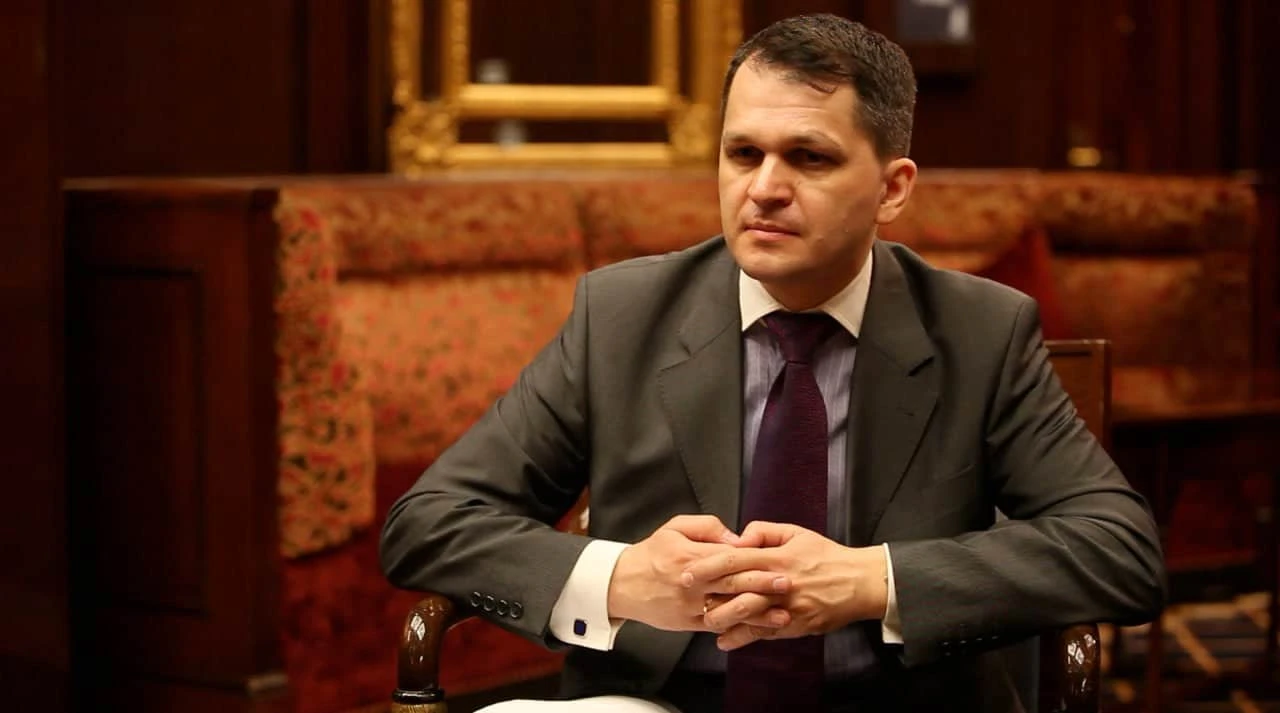
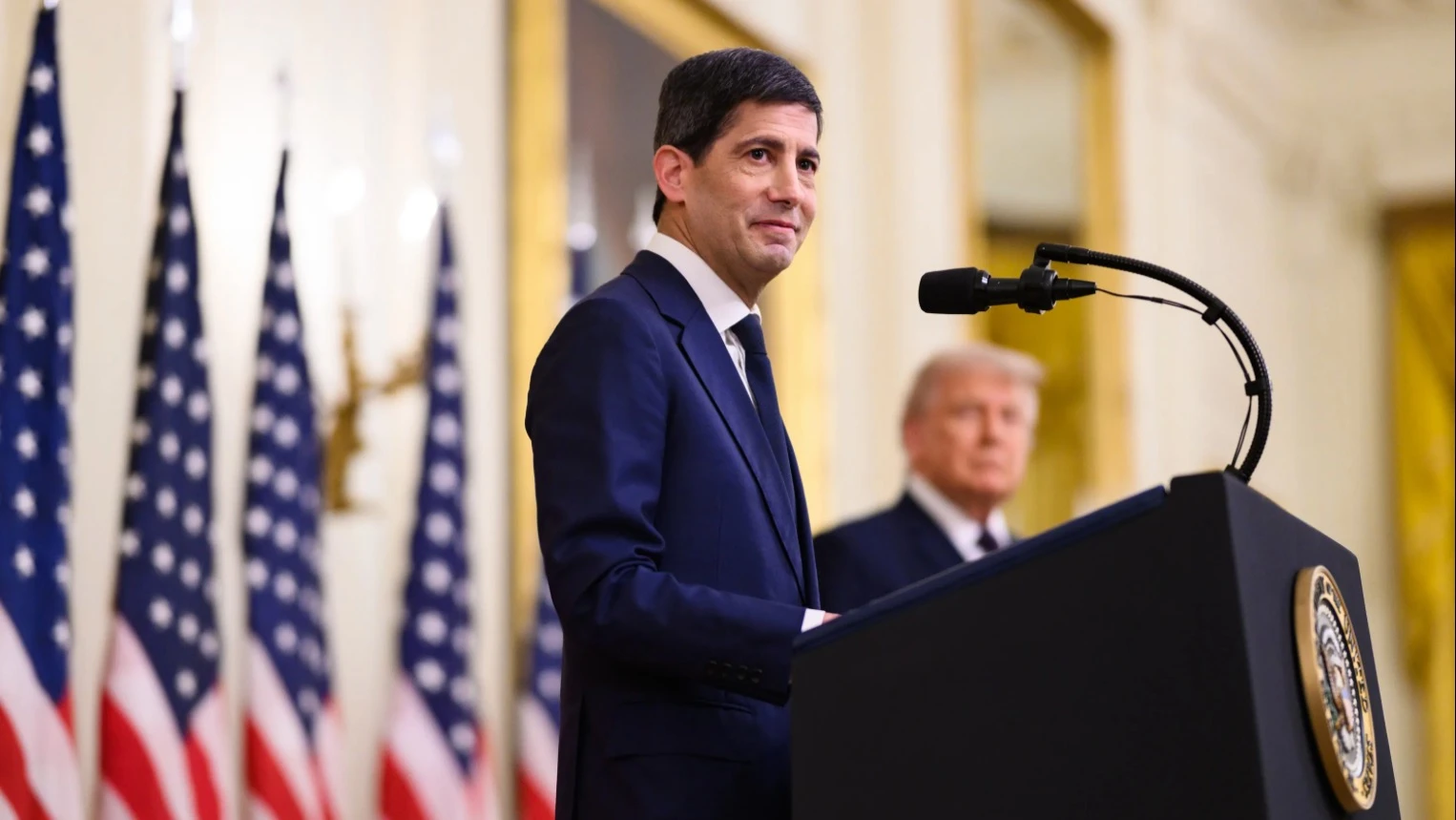
June 16-17 will be the first meeting of the Federal Open Market Committee for the new Fed Chairman Kevin Warsh, where they will make a decision on rates. Investors will be watching him closely. Photo: The White House
The ECB was the first in the G7 countries to raise interest rates on Thursday, June 11, in response to the energy shock from the war in the Middle East. Next week the attention will be on the Fed - on June 16-17, the first rate meeting for the head of the U.S. central bank Kevin Warsh will be held. The main question is whether it will deprive investors of predictability in monetary policy, which the Fed has been trying to ensure for almost a decade and a half.
The ECB's tough approach
The ECB rate hike was the first since September 2023, with the deposit rate rising to 2.25% from 2%, where it had been for almost a year. This decision did not come as a surprise to analysts.
"We are starting to see inflation spreading through the economy," ECB President Christine Lagarde said at a press conference.
She did not respond to a question about whether the bank's decision was the start of a series of raises, the Financial Times notes.
In May, inflation in the eurozone exceeded the ECB's 2% target for the third month in a row, amounting to 3.2% in annual terms. According to the updated forecast of the European Central Bank, this year's average inflation will amount to 3%, and next year - will decline to 2.3%. The eurozone GDP growth forecast for this year and next year was slightly lowered to 0.8% (instead of 0.9%) and 1.2% (instead of 1.3%), respectively.
The decision of the ECB "does not mark the beginning of a new cycle of tightening monetary policy," the FT quotes the opinion of Michael Hertzum, an economist at German Union Investment. According to Xi Shah, chief global strategist at Principal Asset Management, "the combination of higher inflation forecasts and only a slight downgrade in growth forecasts suggests that the ECB's priority will be to eliminate inflation risks", and therefore further tightening of monetary policy is likely.
Central banks are once again in a difficult situation similar to the oil shock of 2022. They are well aware that short-term rates have little impact on oil supply, which has been reduced by the closure of the Strait of Hormuz, notes Jon Treacy, publisher of investment newsletter Fuller Treacy Money.
Forcing the economy to reduce consumption is not ideal, but it is the only way to contain inflationary pressures in an energy crisis. This creates the risk of stagflation if the energy supply problem is not quickly resolved.
In 2021, after the Covid-19 pandemic, as well as in 2022, central banks have for too long held the view that the surge in inflation caused by supply-side shocks is "temporary" and can be ignored, with the result that inflation has spiraled out of control, recalls Carsten Brzeski, global director of macroeconomics at ING.
If not for the experience of 2022, today's acceleration in inflation could well be called "temporary", he believes.
The interest rate futures market is waiting for the ECB to raise another 0.25 percentage point before the end of the year, notes the FT. At the same time, the probability of such a step at the July meeting is estimated at only 30%. However, it may well happen, told Bloomberg people familiar with the mood of the ECB Governing Council members. But if the external situation improves, the ECB may not change the rate, they emphasized.
According to market expectations, the only central bank among the leading developed countries that will follow the ECB's example this month is the Bank of Japan: it is expected to raise 0.25 p. p. to 1%.
Changes at the Fed
Meanwhile, the inflation situation is much more acute in the US. The labor market remains strong: unemployment is holding near the minimum level of 4.3%, and more than 170 thousand jobs have been created outside the agricultural sector in the States for the last three consecutive months. And annual inflation in May amounted to 4.2%.
However, Kevin Warsh, in his first Federal Open Market Committee (FOMC) meeting as Fed chairman, is likely to refrain from a rate hike and remove from the statement information on managers' expectations about the direction of the MPC, writes FT economics columnist Chris Giles.
This move will, on the one hand, indicate a willingness to tighten the MPC in the future, keeping the rate unchanged now, and, on the other hand, is in line with Worsh's own views. In April, at his Senate confirmation hearing, he said that "unlike many former and current colleagues" he does not believe in the usefulness of publishing the central bank's expectations about the direction of the MPC.
"I don't feel I should disclose to you in advance what the future decision might be," he added.
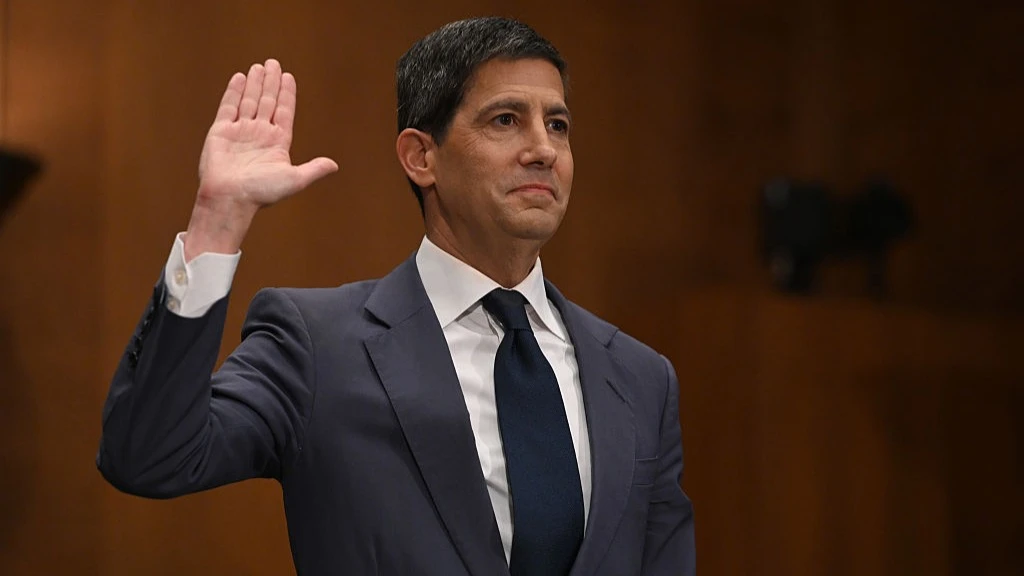
Refusal to publish expectations (once a quarter the Fed presents forecasts of FOMC members on interest rates and key economic indicators) will be a departure from the policy of greater openness in communications with market participants. The Fed began presenting such forecasts in 2012 to give investors and companies a better understanding of its policy outlook after the 2008 global financial crisis.
Over the past decade and a half, greater openness has become the standard policy approach of many central banks, although the ECB does not publish rate forecasts, insisting that it makes its rate decisions based on current data each time.
At the same time, even at the Fed, some governors would like to abandon the publication of forecasts, notes the FT. They were originally seen "as a benchmark, preferable to publishing the committee's consensus forecast", Esther George, former chair of the Federal Reserve Bank of Kansas City, explained to the paper: "However, since then, their interpretation [by market participants] has moved far beyond their original intent, and they are now seen as an indication of interest rate movements".
"In Warsh's estimation, the Fed is not particularly adept at forecasting. And its credibility doesn't benefit from doing something it's not good at," said Vincent Reinhart, a former senior Fed official and now chief economist at BNY Investments.
While the publication of expectations was not originally intended as a forecast of future rate movements, they are studied closely on Wall Street, and changes in them often cause swings in bond, currency and equity markets. "Like it or not, they serve as a very important stabilizing factor," said Blake Gwynn, director of U.S. interest rate strategy at RBC Capital Markets.
They help curb volatility in market interest rates, added Guy Lebas, director of bond markets at Janney Montgomery.
Market participants will also carefully assess Worsh's position at his first meeting, given that US President Donald Trump has previously repeatedly demanded that the Fed drastically cut the rate. A year ago, while still looking for a candidate for the chairmanship, he said, "Whoever becomes chairman will lower the rate." At the same time Trump added that it should be 1%.
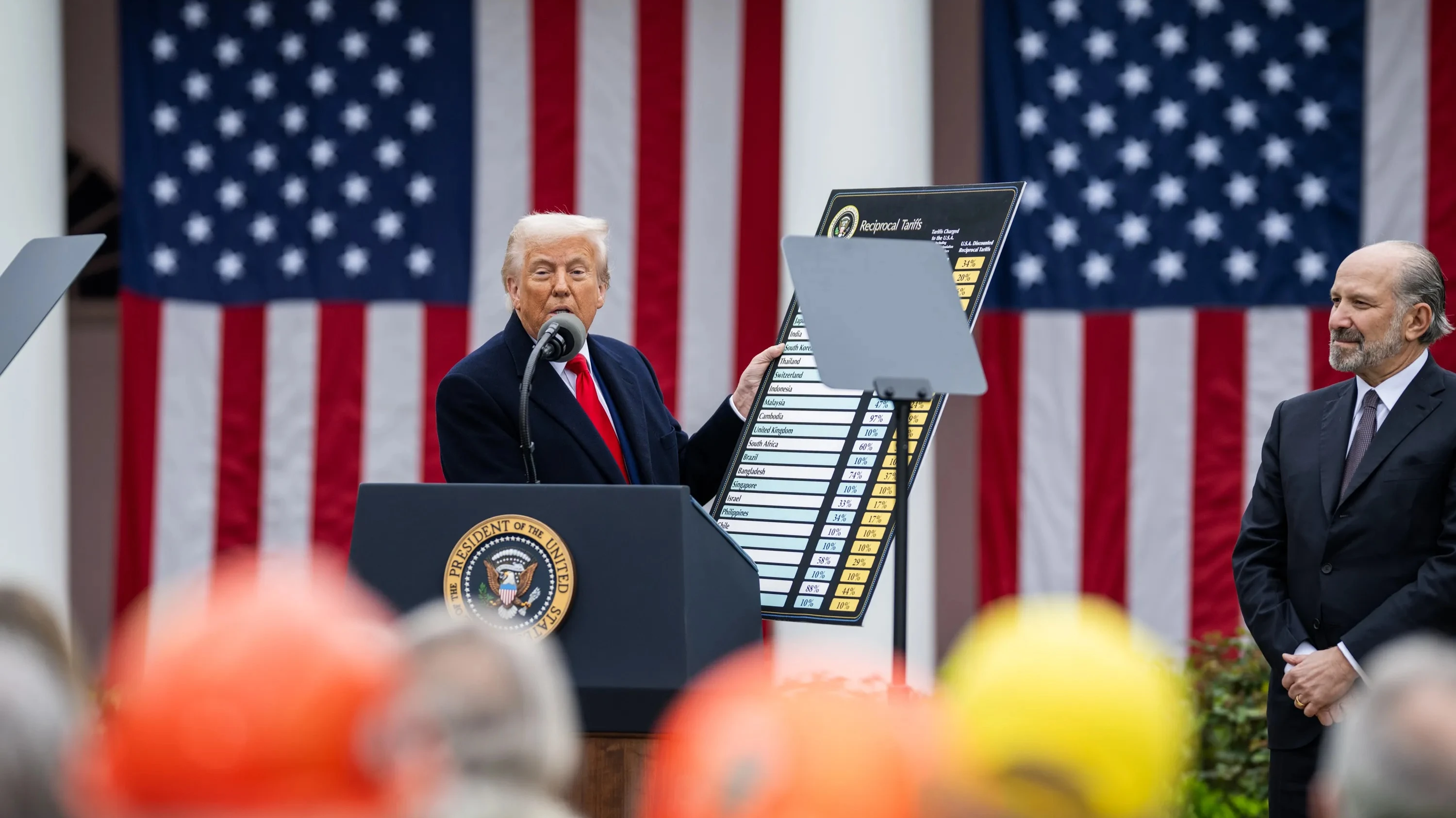
The Fed Funds rate is now at 3.5-3.75%.
"When a new Fed chair comes in, there's a period, which can be measured in weeks or months, where everybody is trying to understand the nature of the regime and communications policy," Richard Clarida, a former Fed vice chairman and now a global economic adviser to Pimco, one of the world's largest bond fund management companies, said the other day(quoted in Bloomberg).
If the central bank gives less guidance, acts less predictably, and internal disputes become more numerous and spill out into the public space, volatility in markets will increase, added Daniel Ivascin, chief investment officer at Pimco.
So far, the market lays a 100 percent probability of a 0.25 p. p. rate hike by the Fed only in December and does not expect it to change at all following the June 17 meeting, Bloomberg notes.
This article was AI-translated and verified by a human editor