It's Time to Bet on Prozac: What Wall Street Is Saying About the Collapse of Data Center Operators

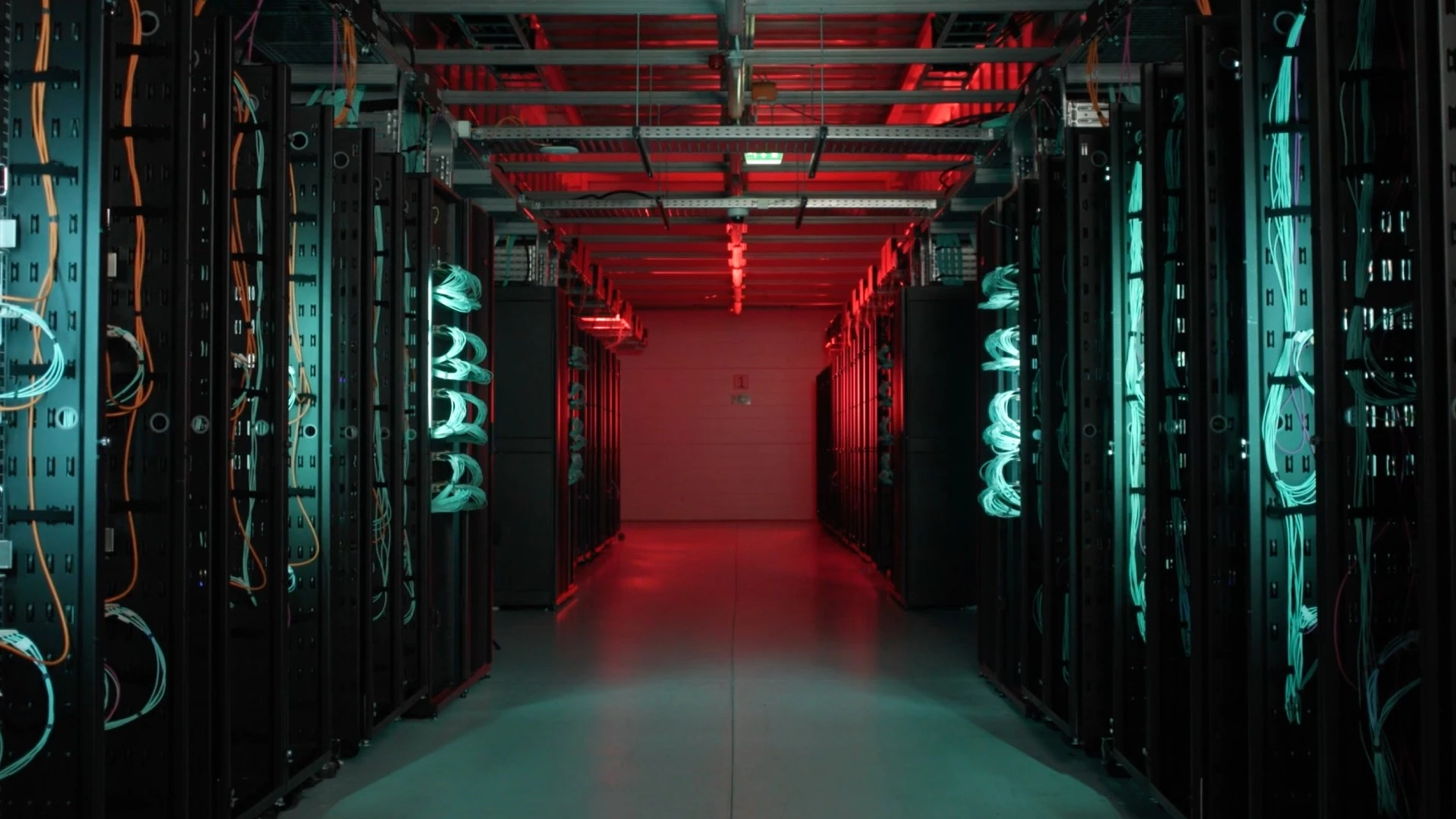
Investors are becoming increasingly reluctant to finance the expansion of AI infrastructure “at any cost,” notes Saxo Bank / Photo: Nebius
On October 15, traders continued to sell off shares of artificial intelligence infrastructure providers. Shares of data center operator CoreWeave fell nearly 10% at the start of trading, while shares of cloud provider Nebius, founded by Arkady Volozh, dropped as much as 12% at one point. Under pressure from the intensifying sell-off in the sector, the Nasdaq index fell to its lowest level in nearly a month. What are Wall Street analysts saying about the investor exodus from the AI sector and the risks of a bubble bursting?
What is happening cannot be called a “collapse” of the AI industry, noted Charu Chanana, chief investment strategist at Saxo Markets, in a note dated October 15. Investors are simply becoming less and less willing to finance the expansion of AI infrastructure “at any cost” and are increasingly asking questions about what share of future growth is already priced in, how construction is being financed, and when these investments will begin to yield sufficient returns, she explains. According to Chanana, this is indicated by the rise in CoreWeave’s bond yield, which has exceeded 16%. At the same time, the AI ecosystem is becoming increasingly interconnected, the strategist emphasized: “Infrastructure providers depend on financing and large contracts with clients, while equipment suppliers depend on the continuous expansion of their clients’ capacity. If rising borrowing costs ultimately force some infrastructure service providers to cut expenses, the repercussions could spread throughout the entire supply chain.”
“The market is beginning to realize that demand for AI and a profitable business model are two very different things,” Axel Rudolf, chief technology analyst at IG Group, told Reuters. “So far, this seems more like investors’ doubts about how the expansion of computing power is being financed than a sudden drop in interest in AI computing power. But if the cost of capital continues to rise, even high demand may not protect the most heavily indebted players.”
Ultimately, the AI revolution will be judged not only by how much computing power we have built, but also by how profitably we use it, noted Manish Singh, Chief Investment Officer at Crossbridge Capital. Future cash flows must justify today’s massive capital commitments, and until that happens, someone has to finance the gap, he said. “AI may well be the future. But debt service remains the reality,” Bloomberg quoted Singh as saying.
“Perhaps now is the time to take long positions on anything related to Prozac and psychotherapists,” says a technology sector analyst at Mizuho Securities, quoted by Barron’s. “I feel that demand and prices for both could rise rapidly.”
This article was AI-translated and verified by a human editor