"The Perfect Hedge": Gold Prices Could Hit a New Record in the Next Two Years — FT
Fund managers and representatives of gold mining companies expect prices to hit new record highs due to central bank policies and geopolitical instability

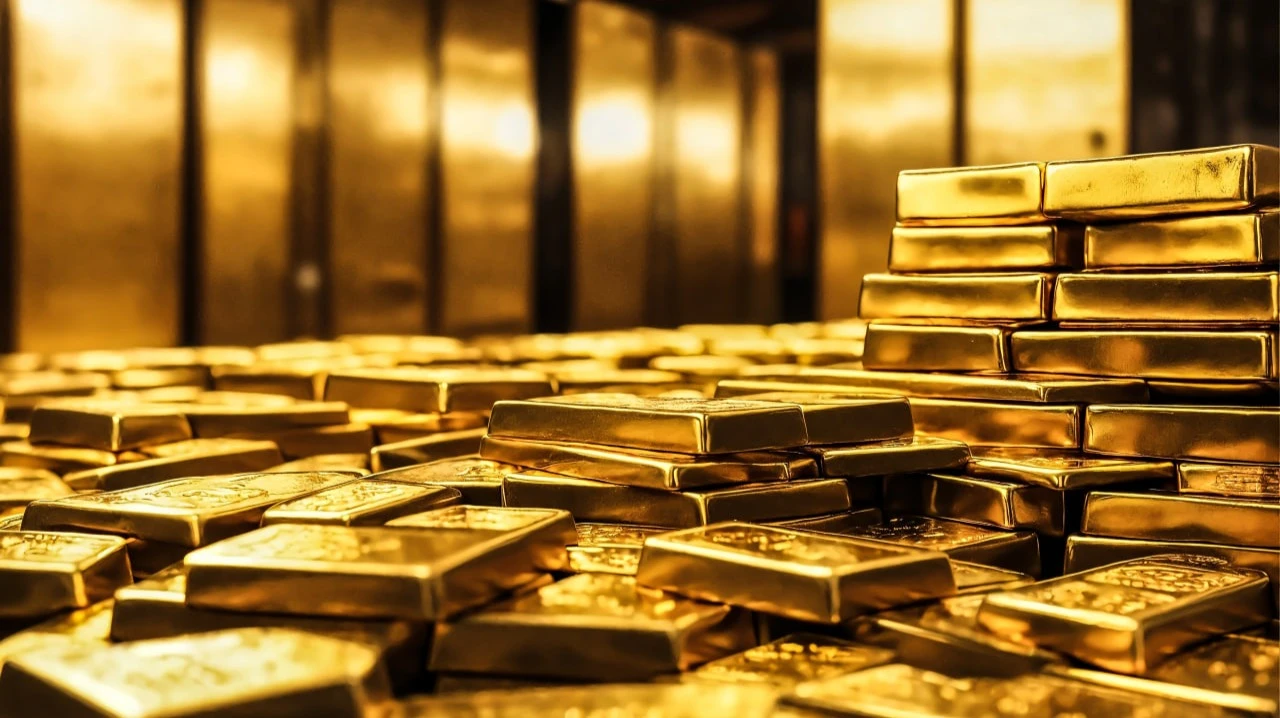
Forecasts presented at the FT conference suggest a new record high for gold prices within the next two years / Photo: Rdeka / Shutterstock.com
Fund managers expect gold prices to rise in the medium and long term, according to the Financial Times. This trend will be driven by investors seeking safe-haven assets amid geopolitical tensions and market uncertainty. Amid the U.S. Federal Reserve’s rate hike and growing expectations of further tightening, gold has come under pressure and retreated from its highs, but some investors are anticipating a sharp rebound. Here are the forecasts they shared at the FT Precious Metals Conference
Charlotte Young, a portfolio manager at Troy Asset Management, expects gold to rise to a new record high within 12 to 18 months. She called the metal an ideal hedge against deteriorating public finances amid ballooning U.S. government debt and expectations that “the next time the world enters a recession,” central banks will once again turn on the printing press. “Gold cannot be printed in the same way,” she explained.
Paul Karn, Director of Investments for Aon Investments in the EMEA region, predicts a new all-time high within two years and attributes this to U.S. policy. “When you turn the dollar into a weapon... don’t be surprised when people stop using it. What will you use instead?” he said, referring to the precious metal.
Investors should ask themselves whether the world is “on the brink of a financial crisis,” warned Peter Marrone, chairman and CEO of the mining company Allied Gold. According to his observations, against the backdrop of a deteriorating macroeconomic environment, the family offices of billionaires are increasingly shifting their investments from government bonds to gold.
Ian Cockerill, CEO of gold miner Endeavour Mining, noted that the macroeconomic environment and declining confidence in fiat currencies are supporting the price of gold. “This is a very strong foundation for the price of gold. Is $4,000 [per ounce of gold] the bottom? I don’t know. But if not, the price is likely already close to the lower boundary before the next phase of growth,” he predicts.
Central banks are boosting demand
Although some countries sold gold this year to raise funds following the outbreak of war between the U.S., Israel, and Iran, demand for gold from central banks remains “very strong,” noted Suki Cooper, head of commodities research at Standard Chartered. In September, their purchases reached their highest monthly level in nearly two years—about 63 metric tons, according to estimates by the World Gold Council.
Industry representatives expect the pace of reserve accumulation to accelerate: emerging markets are losing confidence in the dollar and are seeking an alternative to it as a reserve currency. Gold is more likely to become that alternative than the euro or the yen, according to Yang of Troy Asset Management.
The People's Bank of China has continued to buy up the precious metal in recent months: it now accounts for 9% of the country's central bank's total reserves.
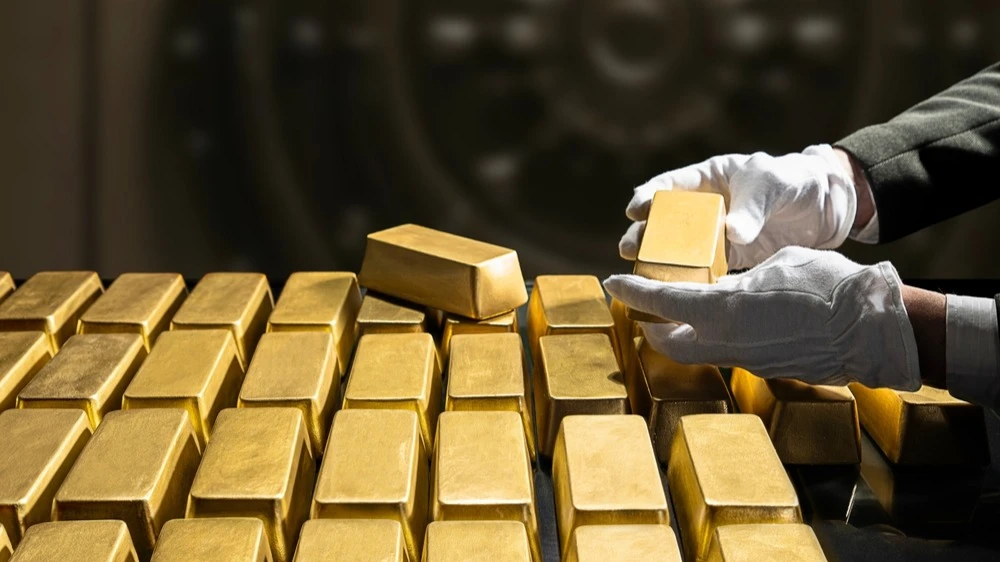
This article was AI-translated and verified by a human editor