Jewelry sales in Japan have reached a record high. Which companies are benefiting from this?

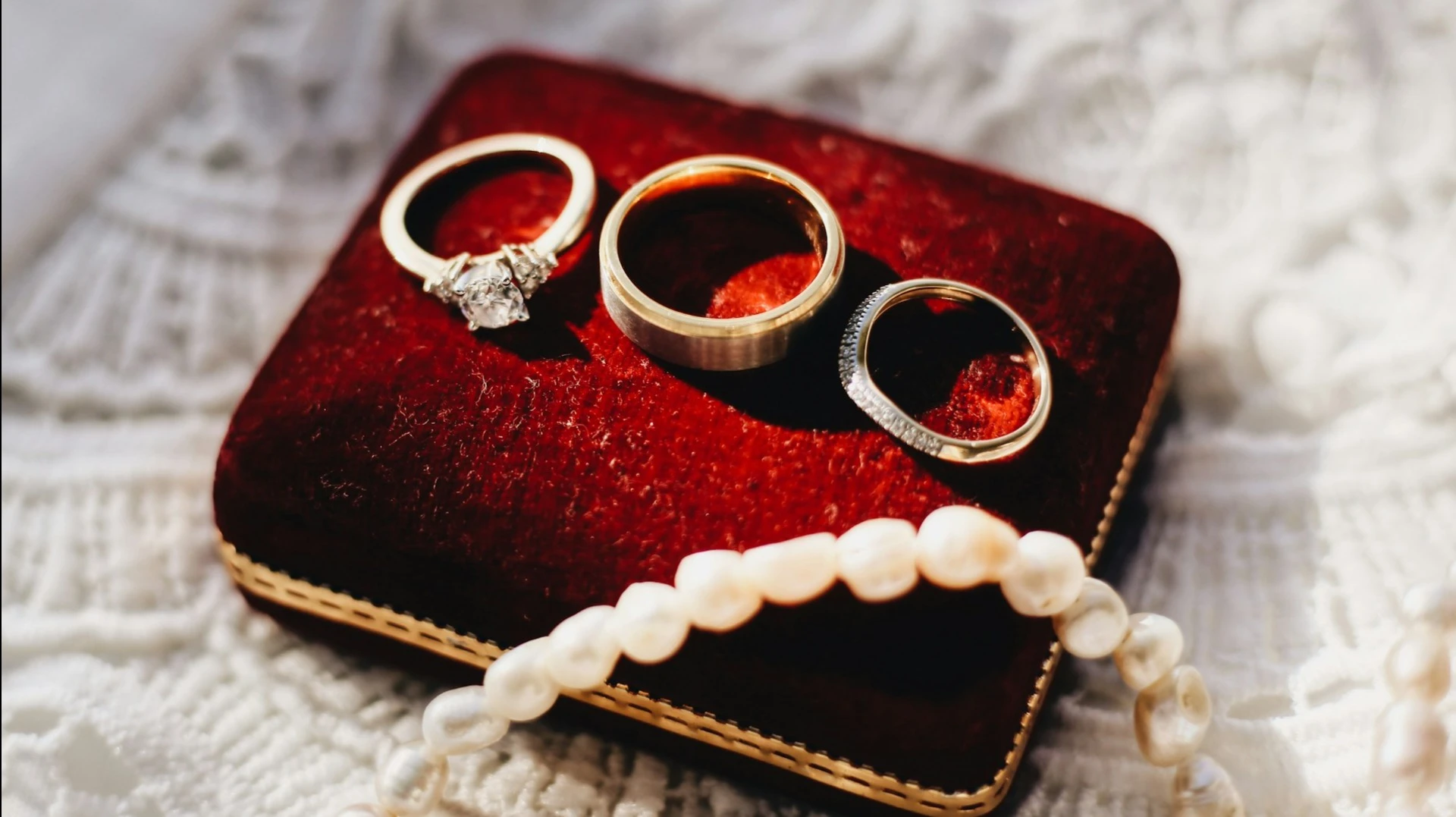
Jewelry has become an attractive investment for the Japanese amid a weakening yen / Photo: Unsplash/Fallon Michael
Demand for jewelry in Japan reached a record high in the first half of 2026, Bloomberg reported, citing data from the Japan Department Store Association. The reason is not only a desire to treat oneself, but also the weakening of the national currency. International companies noticed the surge in demand as early as last quarter.
Details
Sales of gemstones, metals, and art objects at Japanese department stores rose by 19% to 330 billion yen ($2 billion)—the highest figure for this period since records began in 2008. By comparison, total department store sales across all categories during the same period increased by only 3.2%.
Against the backdrop of a weakening yen and rising prices, Japanese consumers are shifting their savings into assets that can preserve their value, Bloomberg explained. The yen fell to nearly 164 per dollar, hitting its lowest level since the 1980s, while consumer prices (excluding fresh food) rose 1.6% in June. “It’s becoming commonplace to hold 5–10% of savings in gold rather than cash. As the yen loses value, people are increasingly turning to gold,” Satoshi Maehara, president of Tokyo-based jewelry maker Happiness and D, told Bloomberg.
The sales growth was driven primarily by domestic demand: duty-free sales at department stores rose by the same 3.2%, meaning that tourists did not play a significant role in the jewelry boom, according to Bloomberg. Japanese consumers are increasingly choosing branded jewelry over handbags, noted Bloomberg Intelligence analyst Catherine Lim: Due to high prices, people have become more selective about discretionary spending, and jewelry can be viewed as an asset capable of appreciating in value as the national currency weakens.
“There’s more interest in products that retain their value, and this is partly where polarization comes into play: I’m not opposed to buying basic T-shirts, but I want something more durable—not necessarily on the level of a family heirloom, but something that can be considered a personal asset,” — explained Kaoru Perkins, a partner at Bain & Co. (quoted by Bloomberg).
Who's in the black?
International companies operating in the luxury goods market are benefiting from the rise in demand. “Luxury brands are constantly raising their prices, so I decided it was better to buy quickly and not put it off,” Yuki Hayakawa told Bloomberg. She spent about 600,000 yen ($3,660) of her bonus on a diamond and gold necklace from Chaumet, a brand owned by the French company LVMH.
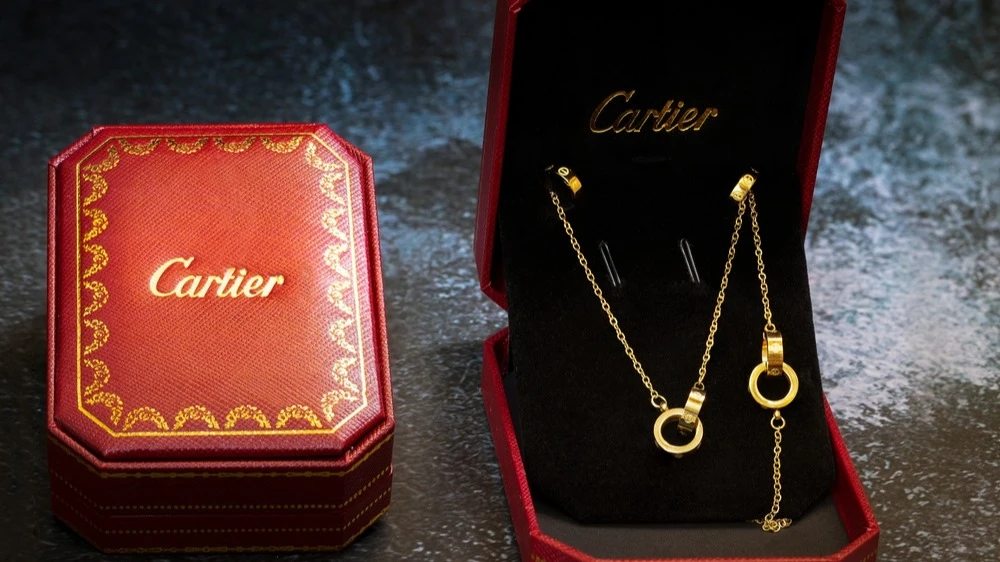
Cartier's owner, the Swiss holding company Richemont, reported a 20% year-over-year increase in sales for the last quarter, which was nearly double analysts' expectations. Japan saw the strongest growth among all regions.
Gucci's parent company, Kering, reported a 57% increase in jewelry sales in the country during the first quarter, while sales of apparel and leather goods in the country fell by 14%.
This article was AI-translated and verified by a human editor