Leather bags are no longer driving the luxury market. But a new driver has emerged.
This sector "punchs above its weight class"

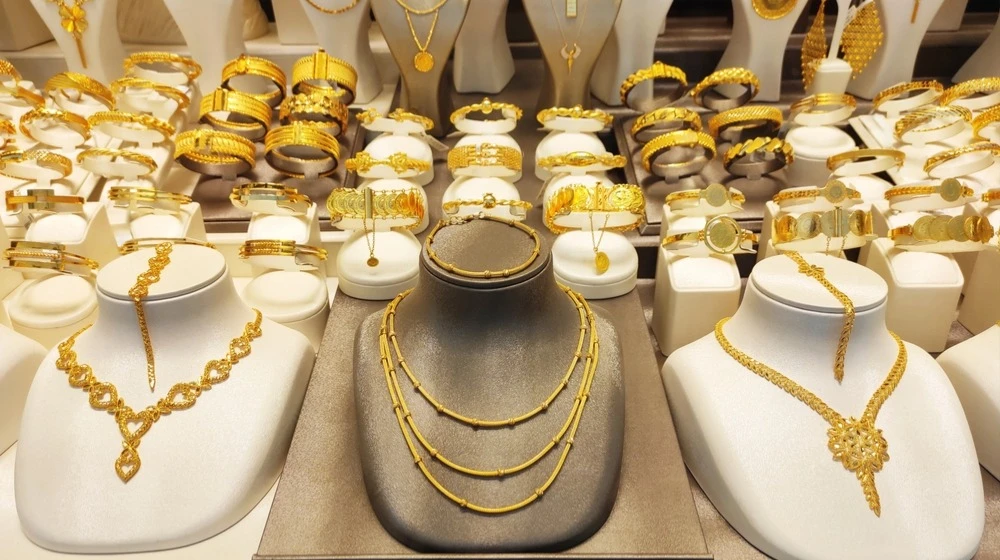
The luxury goods market is shifting its profit structure amid weak demand for traditional categories. Photo: Mari Franz/Shutterstock
The luxury goods market has a new driver of sales and profits that is outperforming luxury handbags and clothing: jewelry, according to Reuters. Traditional items that used to provide manufacturers with their main profit margins are losing their appeal due to high prices and a lack of popularity among young people and the general public. Although the jewelry segment is performing well, jewelry still accounts for only a modest share of luxury conglomerates’ revenue, analysts note.
Details
The luxury goods sector was expected to return to growth in 2026 after two years of decline. However, the conflict in the Middle East is still holding back spending on luxury goods, according to Reuters. The traditional drivers of profitability—leather bags and shoes—no longer provide the same level of support: they are considered too expensive and unappealing to a younger audience.
At the same time, the jewelry segment is faring much better. Although jewelry still accounts for a modest share of sales for most conglomerates, this segment “punchs far above its weight class” thanks to steady growth and high margins, Reuters quoted Vontobel analysts as saying.
Interest in jewelry surged at a time when shoppers had grown weary of the lack of innovation in high fashion amid constant changes in creative directors, the agency reports. In addition, the rally in gold prices has made jewelry more attractive as an investment. “All these factors have made jewelry far more appealing than classic ‘soft luxury,’” notes Carol Majio, head of European luxury market research at Barclays.
What Drives the Market
Recent financial reports confirm this trend. Jewelry sales at the Swiss company Richemont, which owns Cartier, soared 24% in the quarter ending June 30. Meanwhile, Barclays analysts raised their growth forecast for LVMH’s jewelry and watch division for 2026 from 7% to 8%—up from 3% a year earlier.
Other players are also doing very well, Reuters notes. Kering’s jewelry sales rose 22% in the first quarter. Hermès’ jewelry segment has posted an average annual growth rate of nearly 30% since 2019, although this is largely due to a low base, Reuters reported, citing analysts at Vontobel.
“Even among ‘soft luxury’ brands such as Hermès, Prada, and Gucci, everyone is placing a slightly greater emphasis on jewelry, because that’s what’s driving growth right now,” adds Majjo of Barclays.
However, for brands that have historically relied on accessories, this shift in demand has posed a serious challenge. Shares of Hermès, for example, fell by about 10% following its first-quarter report in April, calling into question the sustainability of a business model based on the scarcity of Birkin bags, according to Reuters.
“The handbag and footwear categories have historically made a huge contribution to revenue and margin growth. But the post-COVID-19 landscape has created a more complex environment, and companies will now have to find a new winning formula,” summarizes Claudia D’Arpizio, a senior partner at Bain & Company.
Context
A shift in consumer demand toward jewelry has become clearly evident in the Japanese market. According to Bloomberg, sales of jewelry and art objects at the country’s department stores rose 19% in the first six months of 2026, reaching a record high of $2 billion.
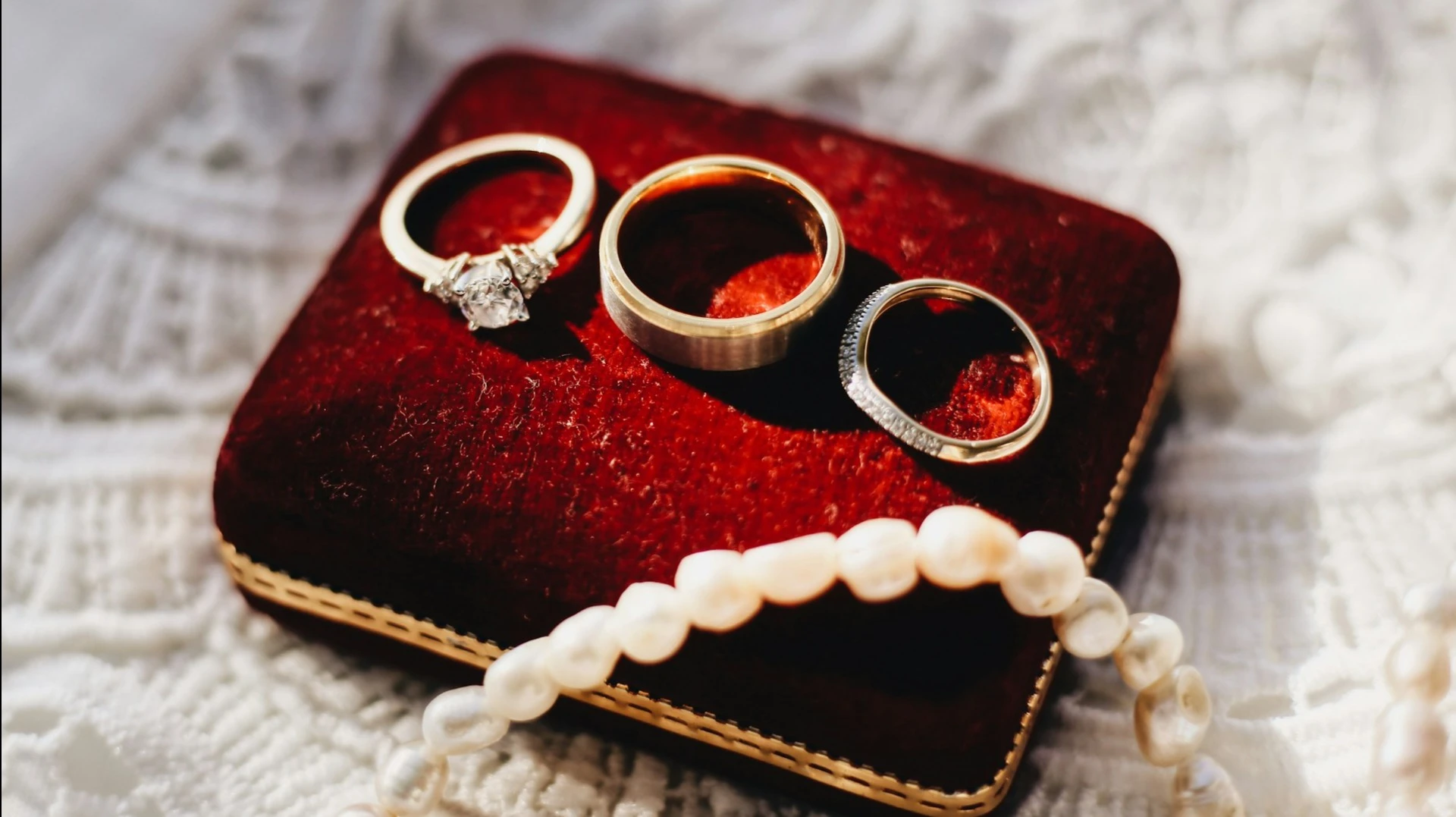
High inflation and the devaluation of the national currency are driving a shift in private savings toward highly liquid physical assets, including jewelry from leading brands. As a result, the Richemont holding company reported its highest regional revenue growth in Japan, while Kering’s jewelry division posted a 57% increase, even as the company’s apparel and leather goods categories declined by 14%.
This article was AI-translated and verified by a human editor