Morning in New York: the market between war and diplomacy

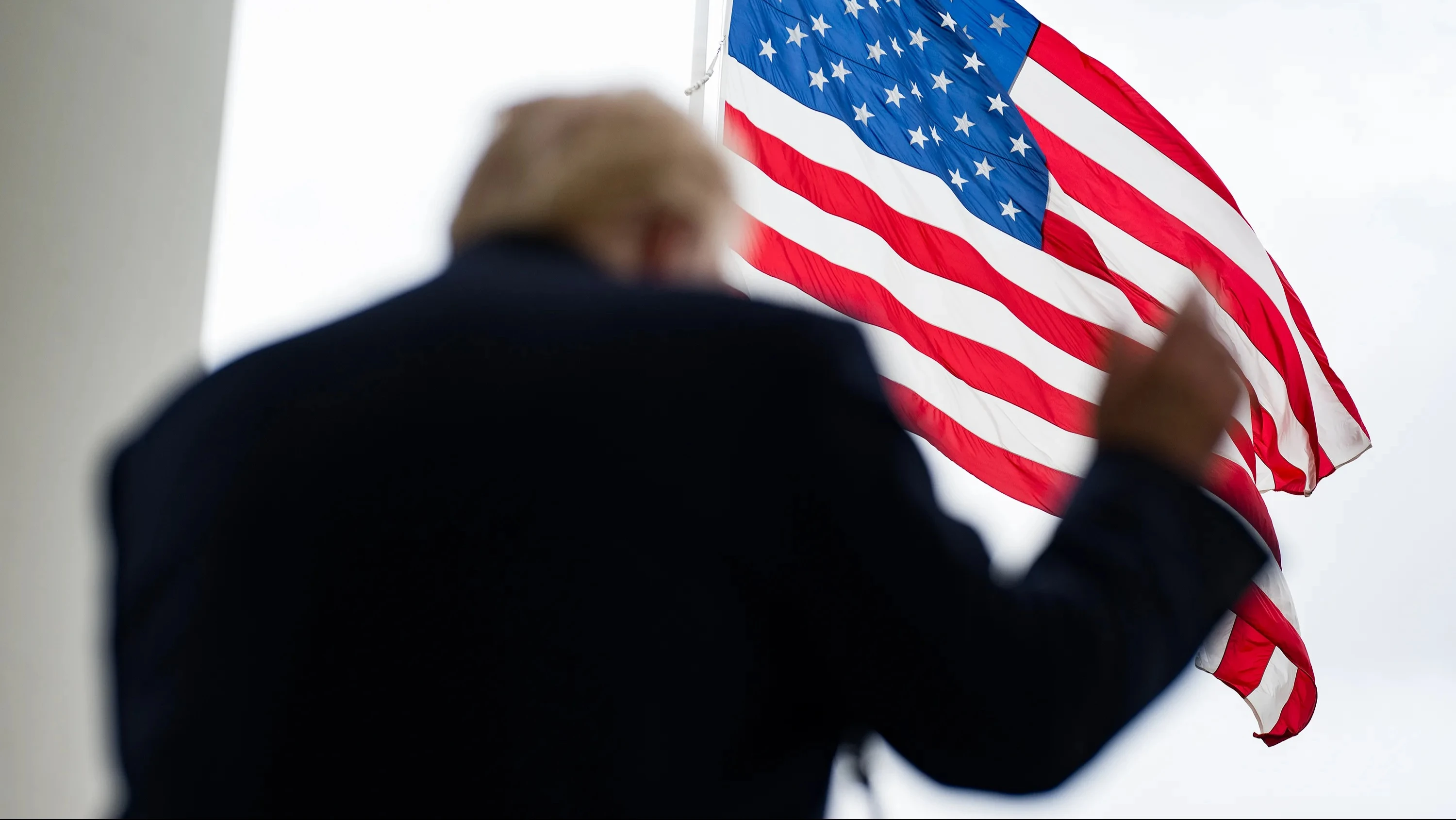
US President Donald Trump threatened Iran with strikes on energy infrastructure / Photo: The White House
Daily review and forecast of events on the U.S. stock market from Mikhail Denislamov, Deputy Director of Freedom Capital Markets Research.
We expect
The key driver of movement on stock markets remains the development of the U.S.-Iranian conflict. Washington, Tehran and their mediators in the Middle East region are discussing the "last attempt" to agree on a 45-day ceasefire. However, the chances of reaching agreements in the next 48 hours are assessed as low. This news was preceded by a toughening of President Donald Trump's rhetoric, who threatened to destroy Iran's infrastructure if it does not go to open the Strait of Hormuz within two days (until 20:00 EST, April 7). The U.S. leader also announced a press conference with the military in the Oval Office on April 6 at 1 p.m. EST.
Following the results of the OPEC+ monitoring committee meeting held the previous day, the participants of the deal agreed to increase production quotas, but to a greater extent it is perceived as a gesture "for the record". So far, the Strait of Hormuz remains closed for the majority of transportation and we are talking about less than 2% of the blocked volumes.
The U.S., for its part, brought reinsurance guarantees for ships to $40 billion with the involvement of AIG, Berkshire Hathaway and other major insurers, but market participants still doubt the readiness of shipowners to resume transit without military escort. Spot prices for Mark Brent crude oil reached $141.36 per barrel on April 2 (the last trading day in the U.S. last week), according to S&P Global, having reached the highest level since 2008.
Highlighting Monday's macroeconomic calendar is the ISM Services Sector Business Activity Index for March (consensus: 54.9 points, February: 56.1, Freedom Broker forecast: 54.5 points).
During the day, Fed Vice Chairman Philip Jefferson will speak on the economic outlook and the labor market.
In addition, market participants will be able to react to the March Labor Department report, released on April 3, when U.S. stock markets were not trading.
Quarterly reporting season kicks off the week of April 13, with the market laying out a 13.2% increase in earnings for S&P 500 companies.
Futures on US stock indices are moderately growing. We assess the balance of risks for the upcoming session as neutral with increased volatility against the backdrop of ongoing geopolitical tension.
In sight
- Taiwan's Foxconn (FXCOF), the world's largest contract electronics manufacturer, reported a 29.7% YoY revenue growth in the first quarter amid robust demand for artificial intelligence solutions. At the same time, the company warned of risks associated with global instability.
- Paramount (PSKY) is in talks to raise nearly $24 billion from three Gulf sovereign funds, led by Saudi Arabia's Public Investment Fund, to finance the takeover of Warner Bros Discovery (WBD). The Saudi fund is ready to provide about $10 bln, while Qatar Investment Authority and L'imad Holding may provide another part of the funds.
- DeepSeek is planning to launch the V4 model in the coming weeks, which will be powered by Huawei chips. Alibaba (BABA), ByteDance and Tencent (TCEHY) have already placed orders for hundreds of thousands of units of these products. This signals China's decreasing dependence on U.S. semiconductors, which could put pressure on shares of Nvidia (NVDA) and other AI chip suppliers.
- Microsoft (MSFT) announced that it will invest $10 billion from the current year to 2029 to expand Japan's AI infrastructure and strengthen cybersecurity cooperation. The company plans to provide AI computing power with SoftBank and Sakura Internet through the Azure platform.
- Devon Energy (DVN) and Coterra Energy (CTRA) have received merger clearance from the antitrust regulator. The deal is expected to close by the end of the current quarter.
- Starbucks (SBUX) has finalized a joint venture with Boyu Capital in the PRC. The Boyu fund received 60% of Starbucks China retail operations, the remaining 40% and the rights to the brand remain with Starbucks. The joint venture operates approximately 8,000 coffee shops with a long-term goal of expanding the network to 20,000 locations.
The market on the eve of
Trading on April 2 (on Friday, April 3, the U.S. exchanges were closed) on the U.S. stock exchanges ended mixed. S&P 500 and Nasdaq 100 grew by 0.11% each, Russell 2000 rose by 0.7%, while Dow Jones fell by 0.13%. Nevertheless, at the end of the week, the indices recorded growth, breaking a five-week correction.
Shares of the Magnificent Seven were trading near zero. The exception was Tesla (TSLA: -5.42%), which sagged amid weak quarterly shipments data.
The real estate sector (XLRE: +1.61%) emerged as the growth leader, helped by a decline in Treasury bond yields. Cyclical consumer goods providers (XLY: -1.5%) suffered the biggest losses.
WTI oil Mark rose by 11.4%. Gold fell in price by 2.8%, silver - by 4.2%, which indicates the continued liquidation of positions in precious metals.
Contradictory news about the conflict with Iran remained in the center of attention of market participants. Uncertainty was created by the lack of specifics in Trump's address to the nation and reports about the preparation of a joint protocol by the Islamic Republic and Oman to control shipping through the Strait of Hormuz. The Trump administration's announcement that it would raise tariffs on pharmaceutical imports to 100% did not add optimism either. However, the White House noted that the rate will be limited to 15% for countries that have concluded trade agreements.
Macro data received on the last trading day of last week were mixed. The number of initial jobless claims fell from 211k to 202k with average forecasts of 212k. The trade deficit for February amounted to $57.3bn, which was noticeably better than expected at $67.9bn. At the same time, Challenger's report for Ma showed a 25% mom increase in layoffs, with layoffs in the technology sector rising by 40% y/y.
Company News
- Tesla (TSLA: -5.4%) reported first-quarter shipments that declined 14% QoQ, a result that was below the average expectations of analysts and the company's own aggregate forecast.
- Blue Owl Capital (OWL: -1.6%) has restricted redemptions of units in two private credit funds after receiving large withdrawal requests. The news brought liquidity in the alternative investments segment back into focus.
- Rivian 's (RIVN: +3.1%) first quarter production and shipments came in above consensus. The automaker's management reaffirmed full-year shipments guidance for fiscal 2026, bolstering investor confidence in the business' scaling trajectory.
- Lindsay (LNN: -12%) reported disappointing quarterly revenue, earnings and margin data to investors. Management pointed to weak demand for irrigation equipment due to high interest rates in Brazil, and also noted continued pressure in the raw materials market.
- Acuity Brands (AYI: -7.6%) reported second-quarter earnings and margins above expectations, although the lighting equipment maker's revenue fell slightly short of average forecasts. Pressure on quotations was exerted by the revised expectations for the Acuity Brands Lighting segment, the dynamics of which the management now estimates as "from zero to negative". At the same time, the annual target for earnings per share remained unchanged.
- Estée Lauder (EL: -2.3%) is in advanced talks with Spain's Puig about a merger, which is expected to be conducted primarily through a share swap. Analysts said the potential deal could complicate Estée Lauder's current business transformation program. The merger could be officially announced in the coming weeks.
This article was AI-translated and verified by a human editor