Oil Prices Fall: WSJ Reports on U.S. Efforts to Resume Talks with Iran

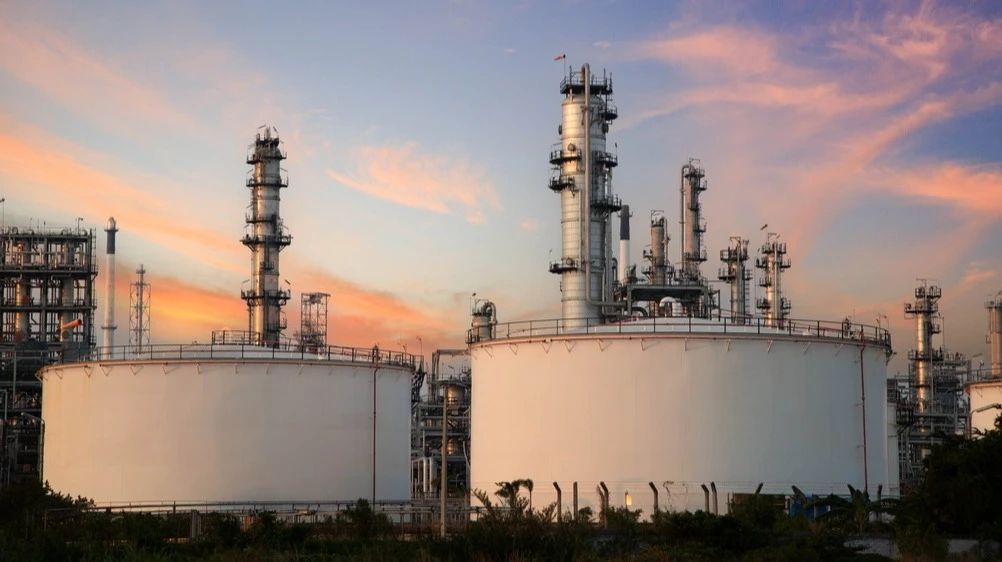
U.S. officials are making efforts to resume peace talks with Iran, the WSJ has learned / Photo: Rangsarit Chaiyakun/Shutterstock
Oil prices fell on Thursday: the prospect of a resumption of peace talks between the U.S. and Iran eased concerns about supply disruptions caused by the escalation of the conflict in the Middle East, according to CNBC.
Brent crude oil futures fell more than 1% to an intraday low of $113.25 per barrel. Prices for U.S. West Texas Intermediate (WTI) crude fell nearly 2% to $100.56.
The decline followed reports that U.S. Vice President J.D. Vance had contacted Mohsen Rezaei, secretary of Iran’s Supreme National Security Council, in an attempt to resume peaceful dialogue. The Wall Street Journal reported this, citing unnamed U.S. officials and sources familiar with the discussions. The newspaper specifically names Rezaei as one of Iran’s most influential “hardliners” toward the U.S.
In addition, Reuters reported yesterday, citing a source familiar with the negotiations, that Qatari mediators had presented Tehran with a new initiative to end the conflict involving Iran, the U.S., and Israel. However, according to the agency, a high-ranking Iranian official has already rejected these proposals, calling them inadequate and unacceptable. Obstacles to a diplomatic breakthrough remain, CNBC notes.
At the same time, the TV channel notes, investors are assessing the risks of new attacks by the Iran-backed Yemeni Houthis on Saudi Arabia, as well as the likelihood of U.S. military action against Iran following the midterm congressional elections on November 3. Sources at The Wall Street Journal also reported on this possibility this week.
What Analysts Are Saying
"High oil prices remain the main factor driving inflation above the [Fed's] target," wrote José Torres, senior economist at Interactive Brokers, in a note to clients on Wednesday evening (as quoted by CNBC). At the same time, broader price pressures remain relatively subdued. According to Torres, the fact that inflationary pressures are concentrated in the energy sector justifies the Federal Reserve’s more wait-and-see stance, especially given that core inflation remains relatively moderate. Raising interest rates too aggressively in response to an oil supply shock could weaken the labor market and exacerbate vulnerabilities in the credit market, the economist suggested. Nevertheless, he emphasized that “a geopolitical resolution may be just around the corner.” This could potentially ease inflationary pressures and shift the Fed’s focus away from further rate hikes. A drop in WTI oil prices to $70 per barrel could significantly strengthen the case for future rate cuts, Torres added.
This article was AI-translated and verified by a human editor