'Overvalued by 20%': why does the former IMF chief economist expect the US dollar to fall?
The US currency risks going into a multi-year correction, Harvard professor Kenneth Rogoff has warned

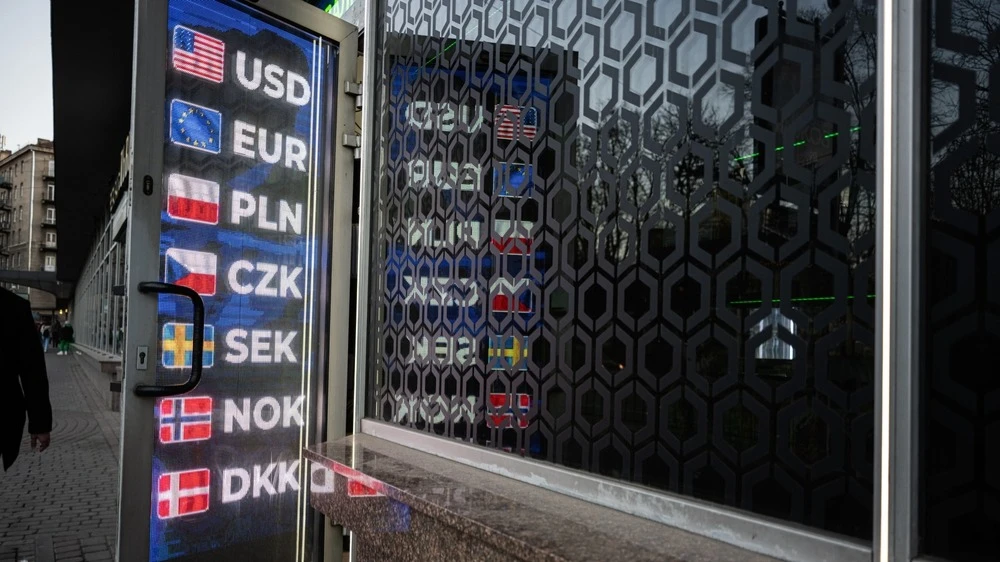
The US dollar has squandered almost all of the gains made since the start of the war in the Middle East over the past week / Photo: AS photo family / Shutterstock.com
The US dollar in recent days has lost most of the gains since the start of the Middle East crisis, but its exchange rate is still grossly overvalued, said Kenneth Rogoff, former chief economist at the International Monetary Fund (IMF). The U.S. currency has become so detached from its fair value that it risks entering a five- to six-year downward cycle, he warned.
Details
"The dollar is apparently still overvalued by at least 20%," Rogoff, now a professor at Harvard, told Bloomberg news agency. "In each of the previous instances in which the dollar or any other major currency has been so overvalued, their exchange rates have declined for five or six years," the former IMF economist recalled.
He called the war in the Middle East a "major stagflationary shock", compounding the effect of higher trade duties. In the medium term, these pressures are likely to push interest rates higher rather than lower. The economist characterized the markets' bet on a speedy resolution to the conflict in Iran as "naive." According to him, investors are simply ignoring the risks of escalation, carelessly believing that everything will work out.
What's happening to the U.S. dollar
After the start of the conflict in the Middle East, investors began buying up the US currency, considering it a "safe haven" in a period of rising geopolitical tensions and surging oil prices. In March, the dollar was a key beneficiary of capital inflows into defensive sectors. However, last week's hopes for a diplomatic settlement of the Iranian crisis reduced demand for the currency as a protective asset.
According to Trading Economics, on April 15, the dollar fluctuated near six-week lows against a basket of other major currencies. At the same time, the euro-US dollar exchange rate rose to the maximum since the start of the Iranian war - $1.18 per €1. Dutch Rabobank this week predicted a weakening of the euro against the dollar to $1.14 over the next month, pointing to the restoration of traders long positions on the U.S. currency. France's Credit Agricole maintained its forecast for the euro to fall to $1.13 by the end of 2026 due to tensions in the energy sector.
Context
U.S. President Donald Trump said in an interview with Fox Business Network that the war in Iran is "very close to being over," the Associated Press (AP) reports. The full interview will air this morning North American time. Trump told the conservative New York Post on April 14 that a second round of talks with Iran could take place within the next two days.
The collapse of U.S.-Iran talks over the weekend jeopardized the two-week truce agreement that expires April 22. However, Middle East officials told AP today that Washington and Tehran have given "agreement in principle" to extend it. According to one of those involved in the settlement, the sides are seeking compromise on three points of disagreement that derailed the first round: Iran's nuclear program, the status of the Strait of Hormuz and compensation for war damage.
This article was AI-translated and verified by a human editor