The AI boom is running into an energy shortage. What indicators should investors watch for?
By 2030, data centers will need nearly three times as much electricity, but analysts believe it will be difficult to expand the power supply at that rate

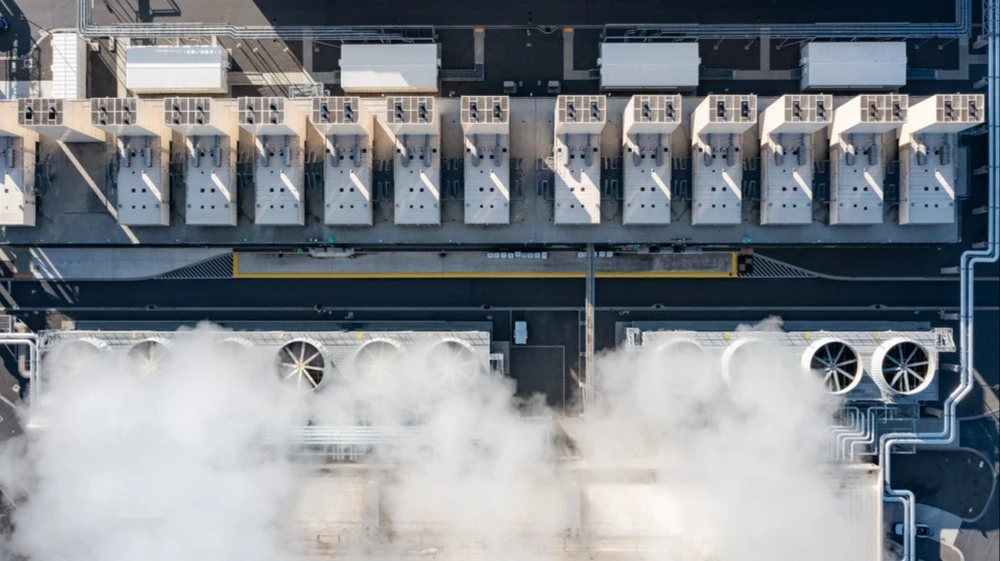
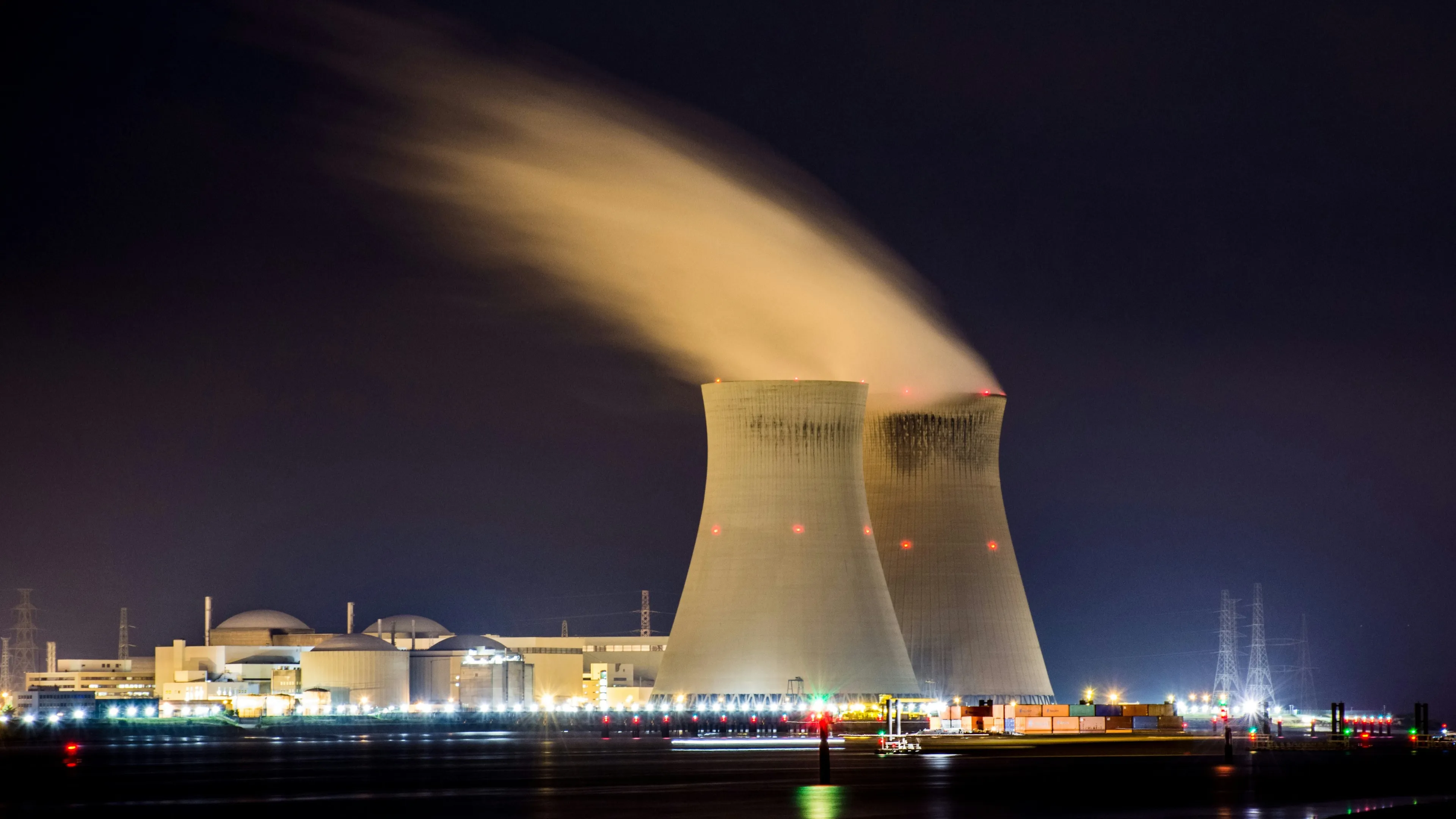
Goldman Sachs estimates that data centers' energy demand will grow by 170% by 2030 / Photo: Shutterstock.com
Demand for energy to power artificial intelligence is growing faster than expected—forecasts made six months ago are already outdated, according to analysts at Goldman Sachs Research. In the Goldman Sachs Exchanges podcast, they note that scaling up power supply for the growing AI infrastructure is becoming increasingly difficult due to shortages of equipment and electricians, grid constraints, and protests against the construction of data centers.
Demand is higher than expected
Analysts at Goldman Sachs Research have raised their forecast for U.S. electricity demand. They now expect an average annual growth rate of 3.5% through 2030, up from the 3.2% growth they projected in March. Global energy consumption in the sector could rise by approximately 170%, up from the previous forecast of 117%.
The main reason for the forecast revision is the high demand for electricity from data centers, which is growing faster than previously expected. The sharp revision to hyperscalers’ capital expenditures also reflects the scale of the expected growth. In just a few months, the spending forecast for 2027 has risen from $1.2 trillion to $1.7 trillion, and for 2029—from $1.5 trillion to $2.1 trillion, analysts note. At the same time, they have raised their forecasts for the commissioning of new data centers and shipments of AI servers.
According to the research and analytics firm 451 Research, new projects are being added to the queue: the forecast for data center power consumption by 2030 has risen from 83 to 108 GW. At the same time, the load on existing infrastructure is increasing: the share of available capacity in key U.S. markets has fallen to 1–2%, down from 2–7% in recent years. Since the beginning of the year, total electricity consumption in the U.S. has already risen by more than 4%.
As a result, analysts have revised their global estimate of the industry’s energy consumption. “If we start counting from the beginning of 2024, over the seven-year period leading up to the end of the decade, AI’s electricity demand will add an amount of energy consumption equal to that of all of Japan—the world’s fifth-largest consumer of electricity. That’s a truly impressive figure,” says Brian Singer, head of GS Sustain.
Even improvements in AI efficiency have not yet altered this trajectory. Companies are directing the resources they free up toward additional computing rather than cutting their technology budgets. Customers are already monitoring their token spending more closely and trying to use them more efficiently; however, according to Goldman Sachs Research, demand for computing power remains very high.
Restrictions for Data Centers
According to analysts at Goldman Sachs Research, the key question now is whether the power grid will be able to scale up capacity quickly enough to keep pace with the growth in data center consumption. They say this is currently being hampered by shortages of equipment and personnel, grid constraints, regulations, and the conditions for building data centers.
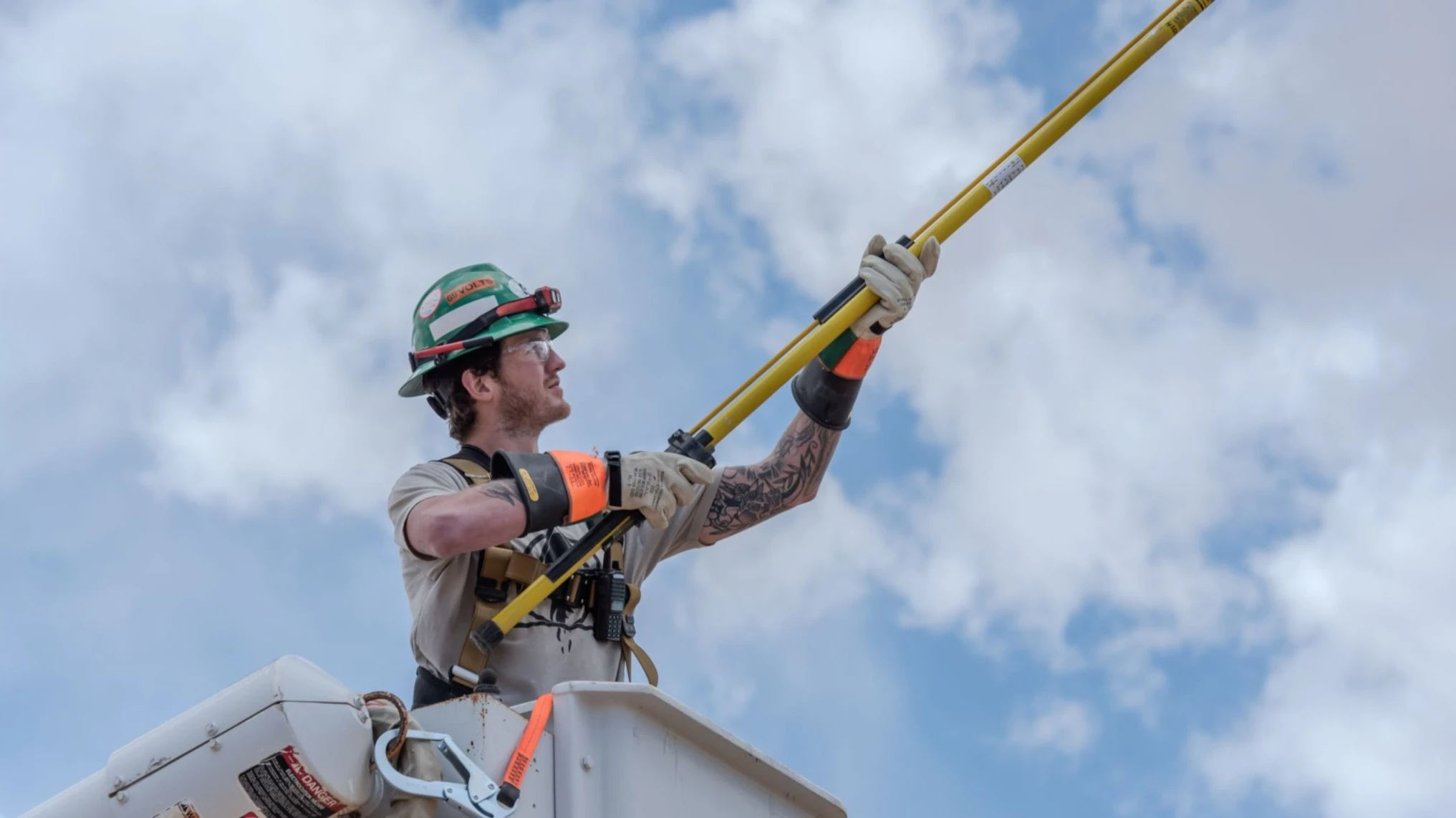
One of the main barriers is a shortage of power generation equipment. Analysts say that turbine manufacturers are already taking orders years in advance. Therefore, in the coming years, the additional demand will have to be met by gas turbines and renewable energy sources with storage systems, followed by combined-cycle power plants, and later by nuclear power. The industry also faces a shortage of electricians and welders, whose training takes at least four years.
In addition, the development of data centers is hampered by lengthy wait times for grid connection: depending on the region, the wait can range from two to seven years. One solution is on-site power generation directly at the data center, which allows the facility to begin operations without waiting for a connection to the public grid. Goldman Sachs Research expects that by 2030, the capacity of such gas-fired power plants will reach about 30 GW and will be able to provide more than 20 GW of electricity—approximately 20% of the projected demand from data centers. However, analysts view this arrangement as temporary: once the data center is connected to the grid, its on-site power generation capacity can be integrated into the broader power system.
The development of data centers is also hampered by resistance from local residents, who are concerned about potential power outages, rising utility rates, water consumption, noise, and heat emissions. Some of these issues can be mitigated: data centers can be disconnected from the grid during peak load hours, use closed-loop cooling systems, reduce noise levels, and recover excess heat. However, Goldman Sachs Research does not expect opposition to data center construction to disappear anytime soon.
What Goldman Sachs Research Is Monitoring
Analysts are monitoring when infrastructure and regulatory constraints will begin to hinder the development of data centers. One key indicator is state-level moratoriums on their construction. If such measures begin to spread, it will mean that opposition to new projects is already affecting their timelines.
Another indicator is the forecast for data center capacity by 2030. A further increase would indicate that the industry still expects rapid expansion, while a decrease would suggest that constraints are already forcing companies to revise their plans.
Over the longer term, Goldman Sachs Research is monitoring hyperscalers’ nuclear power contracts. Over the next five years, such deals will do little to increase available capacity, but they will demonstrate how seriously the largest technology companies view their future electricity needs and how far in advance they are prepared to meet them.

This article was AI-translated and verified by a human editor