The US Senate has confirmed Kevin Warsh as Fed chief. What will happen to the rate?

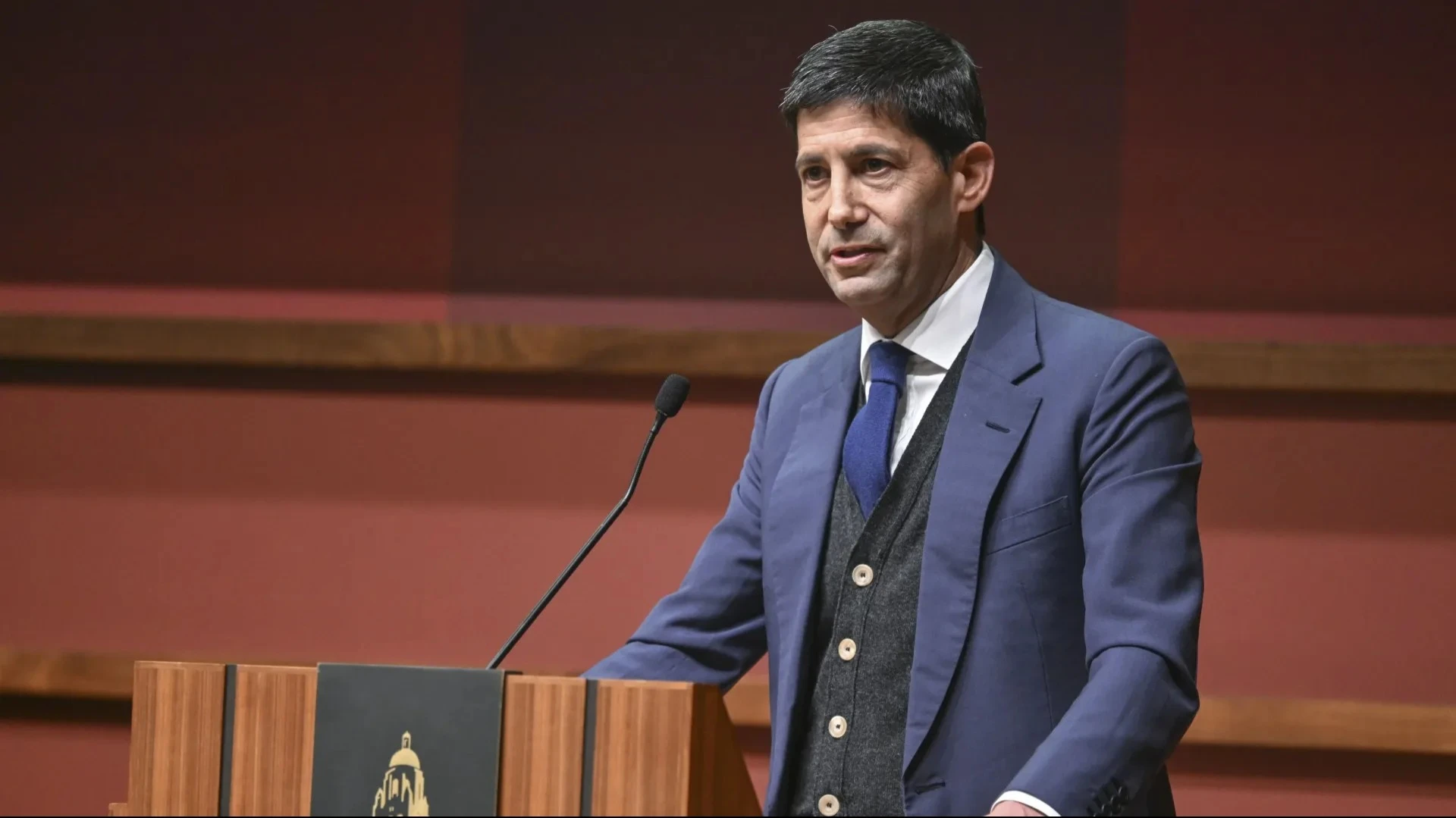
Kevin Warsh became head of the Fed / Photo: hoover.org
The U.S. Senate, where the majority belongs to the Republicans, approved on May 13 Kevin Warsh as head of the Federal Reserve System of the United States by 54 votes against 45, reports CNBC. He will take the place of Jerome Powell.
Warsh will have to simultaneously tackle inflation caused by war with Iran and resist calls from US President Donald Trump to cut interest rates, economists have warned, the Financial Times reports.
What's known about the new Fed chief
The 56-year-old financier, Kevin Warsh, will lead the US regulator at an extremely tense moment: there is no unanimity within the Fed on how to respond to soaring fuel prices, which pushed one of the regulator's preferred inflation targets to 3.8% in April, the FT notes. The US Fed's inflation target is 2%.
Speaking in late April at a hearing before the U.S. Senate Banking Committee, Warsh said, among other things, that he wants to revise the way inflation is measured in the United States. He favors shrinking the Fed's balance sheet (in particular, he plans to get rid of holdings of long-term Treasury bonds), and also does not believe that the Fed "should disclose future decisions in advance."
What's the market saying?
"He [Warsh] comes to this post in extremely difficult circumstances, to put it mildly. He does find himself in a difficult situation between a [US] president who is pressing for rate cuts and a problematic inflationary situation," said former Fed economist David Wilcox, who now works at the Peterson Institute for International Economics think tank (quoted in the FT).
At the last meeting of the Federal Open Market Committee (FOMC) on April 29, where the U.S. Federal Reserve kept rates unchanged for the third time in a row, the number of dissenters to this decision was the highest since 1992. Many economists saw these disagreements not only as a reflection of growing concern over the surge in energy prices amid the virtual blockage of shipping through the Strait of Hormuz, but also as a signal to Kevin Warsh that the Fed leadership will resist attempts to achieve a rate cut, writes the FT.
Other Fed officials opposing a possible rate cut in the near future may join the ranks of Fed officials if the Strait of Hormuz remains closed during Ma and the first half of June, the newspaper notes.
Nevertheless, according to Wilcox, the main problem for Warsh will not be related to internal disputes at the Fed, but to relations with Trump. The US president's unprecedented attacks on the Fed have already drawn criticism from former US central bank chiefs and international officials, the FT explains. We are talking about the US President's pressure on the Fed to lower rates, the attempt to fire a member of the US Federal Reserve Board of Governors, Lisa Cook, and the investigation of Jerome Powell in connection with the Fed's headquarters renovation project, which allegedly could lead to cost overruns. This investigation by the US Department of Justice was subsequently dropped, although the Fed's internal oversight body was instructed to continue reviewing the project.
"On the macroeconomic front, he [Warsh] has some moderate problems. But his main problem of the first order is managing foreign relations with the president," Wilcox said.
Hoover Institution economist John Cochrane said that Warsh's "first task" as Fed chief will be to try to "unify" the Federal Open Market Committee (FOMC) around his vision of central bank policy. And the presence of Jerome Powell, whom Fed staff "love and respect," "will not make that task any easier," Cochrane pointed out. On April 29, Jerome Powell said he intends to remain on the board of governors after his term as Fed chairman ends on Ma. 15. He holds a separate position as a member of the Fed's board of governors with a term through January 2028. Usually Fed chairmen leave the board after their mandate ends, but Powell has decided to stay on. He became the first Fed chairman to remain on the board of governors since 1948, Reuters notes.
Powell's decision to remain on the Fed's Board of Governors may increase tensions in the regulator's relations with the U.S. presidential administration and create a situation that some analysts call the "two popes" scenario - when the current and former Fed chairmen are simultaneously on the Board of Governors, The Associated Press notes. In this case, disagreements within the regulator may intensify if some members will be oriented to the position of Powell rather than Warsh, the agency points out.
This article was AI-translated and verified by a human editor