Trump, defying "hawkish" signals from the labor market, demanded that the Fed cut interest rates
"Otherwise, he will stop trading with countries with which the U.S. has a trade deficit," the U.S. president warned.

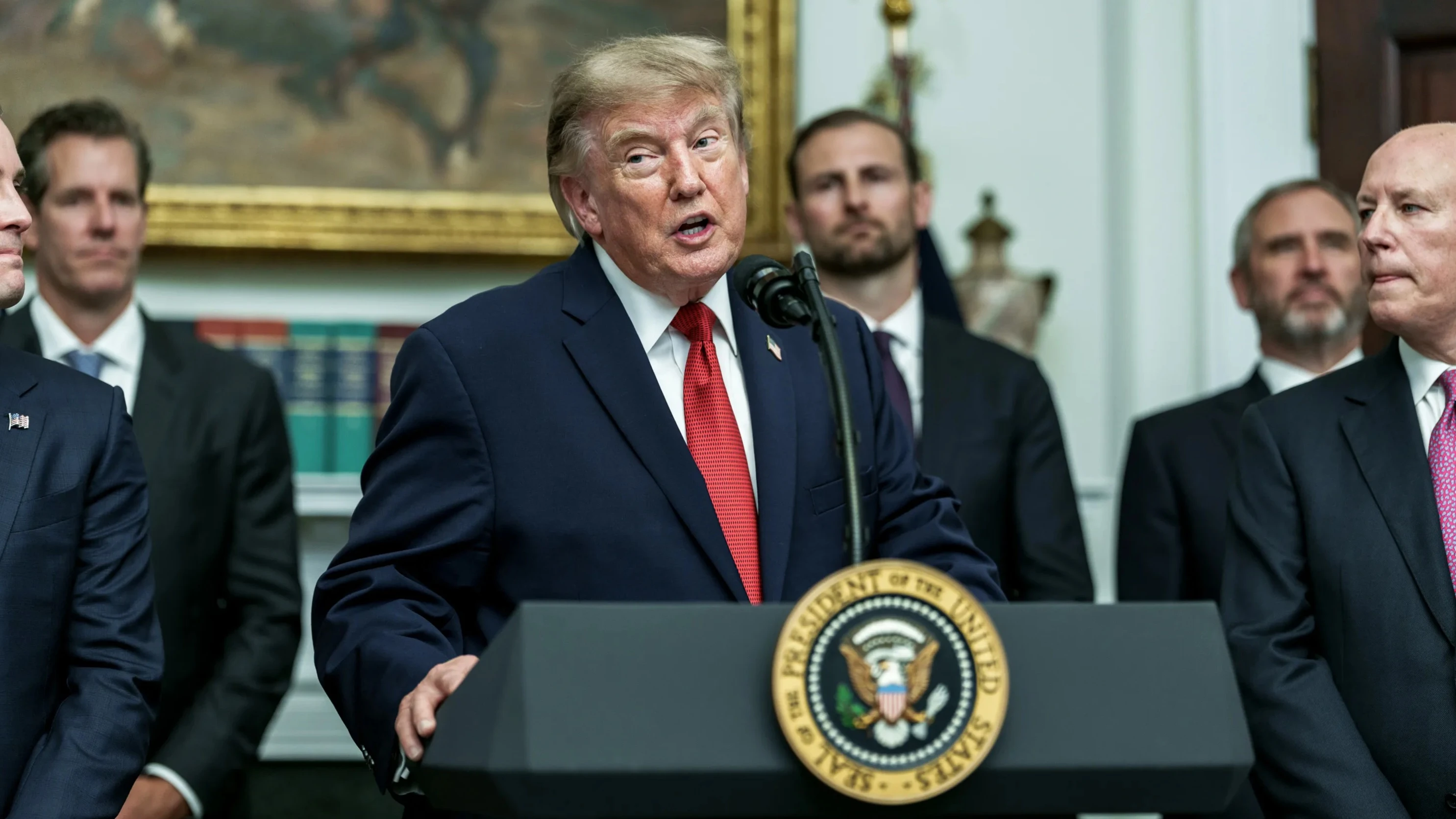
Photo: The White House
U.S. President Donald Trump on Friday demanded that the Federal Reserve (Fed) sharply lower interest rates. Otherwise, he will stop trading with countries with which the U.S. has a trade deficit, he threatened in a post on Truth Social.
Details
“LOWER THE TARIFF, OR I WILL STOP TRADING WITH COUNTRIES WITH WHICH WE HAVE A TRADE DEFICIT,” Trump wrote. “The U.S. Supreme Court, in its absurd and extremely costly ruling on tariffs, clearly acknowledged that the ‘president’ has the absolute right to do so. THIS IS BETTER THAN TARIFFS!” the head of state declared.
According to CNBC, this was the U.S. president's reaction to a monthly labor market report that was significantly stronger than expected.
“EMPLOYERS CREATED 162,000 JOBS IN AUGUST. Lower interest rates, because the U.S. is now a much more reliable borrower than it was just a short time ago! A STRONG COUNTRY MEANS A LOWER INTEREST RATE—IT HAS A HIGHER CREDIT RATING,” Trump continued.
Last week, Fed Chairman Kevin Warsh adopted a “hawkish” tone, and on Thursday, Federal Reserve Board member Christopher Waller reassured the market by indicating that he was prepared to support keeping rates at their current level. The Federal Reserve has not announced any plans to lower rates.
“The Fed’s Board of Governors, led by its excellent new chairman [Kevin Warsh], needs to come to its senses—BE PATRIOTS FOR ONCE. High interest rates put the U.S. at an extremely unfair disadvantage compared to other countries, and I won’t let this continue!” Trump pressed the Fed. Representatives of the regulator have not yet responded to his statements.
Context
On September 4, the U.S. Bureau of Labor Statistics released data showing that job growth in the U.S. in August exceeded forecasts by several times. According to the agency, 162,000 nonfarm jobs were added in the U.S. last month, although economists had expected the figure to be 53,000, according to Dow Jones, or 65,000, according to FactSet.
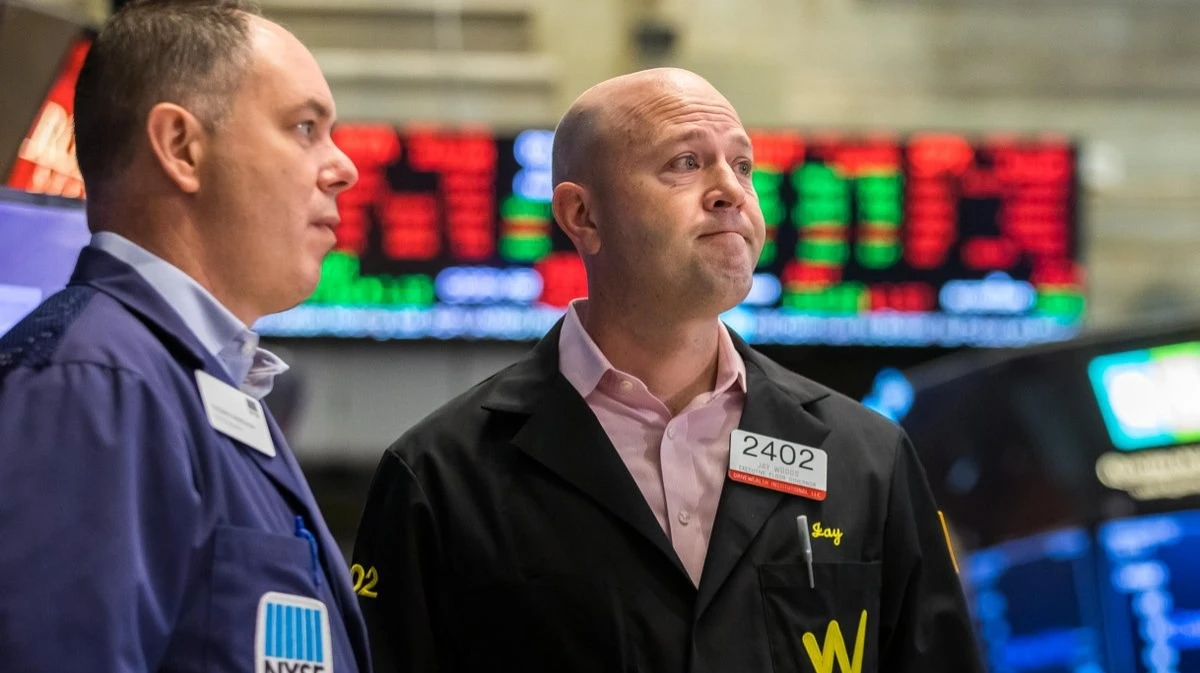
A strong labor market has left the Fed with fewer reasons not to raise rates in September, according to Bloomberg and CNBC. Against this backdrop, U.S. Treasury yields began to rise again, the Dow Jones began to fall, and traders raised the probability of a Fed rate hike at the regulator’s upcoming meeting in September from about 50% to just over 60%.
What's happening in the markets
Following Trump’s remarks, market participants raised the probability of a rate hike at the Fed’s next meeting in September to 62.6%, according to data from the CME’s FedWatch tool. Meanwhile, U.S. stock indices, which had been hovering near their previous close, extended their losses: the Dow Jones fell 0.53%, the S&P 500 dropped 0.26%, and the Nasdaq Composite declined 0.13%. Meanwhile, Treasury yields, which had spiked following the release of the jobs report, began to decline: the yield on 10-year Treasuries fell from 4.802% to 4.774%, for 2-year Treasuries, it fell from 4.425% to 4.37%, and for 30-year Treasuries, it declined to 5.239% from 5.263%.

In recent weeks, amid concerns about rising U.S. government debt, rising energy prices, and accelerating inflation, yields on long-term U.S. Treasury bonds have reached their highest level in nearly 20 years. This forced the U.S. Treasury to announce an expansion of its debt buyback program.

This article was AI-translated and verified by a human editor