US-Iran talks have collapsed. Iran promises to maintain the blockade of the Strait of Hormuz
The failure of the talks could cause sharp swings in oil and gas markets, Bloomberg writes

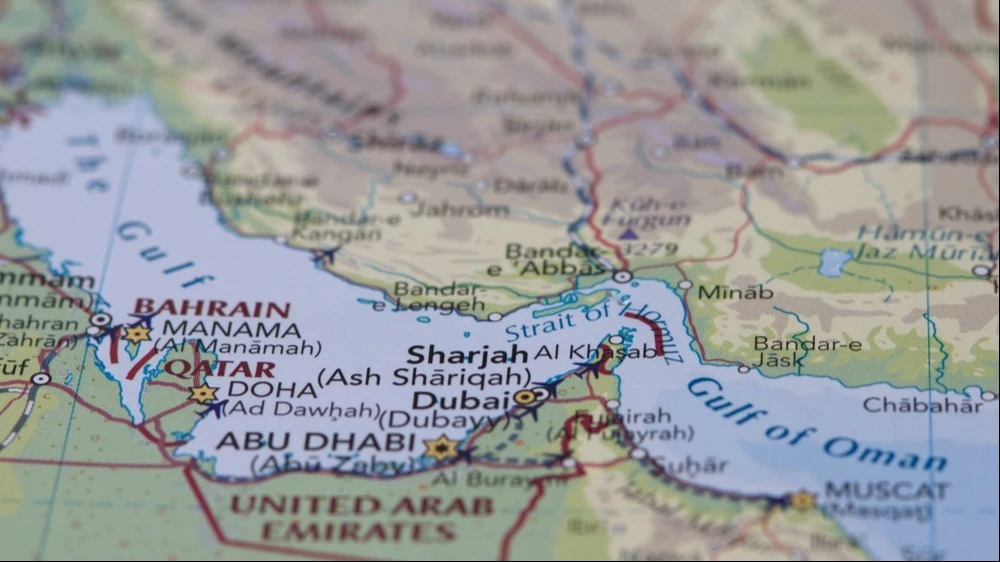
Photo: Below the Sky / Shutterstock.com
The United States and Iran failed to reach an agreement during the talks in Pakistan, which lasted more than 20 hours. U.S. Vice President J.D. Vance, who heads the U.S. delegation, said that Tehran refused to accept Washington's conditions, including a pledge not to develop nuclear weapons, Bloomberg reported.
Iran, in turn, called the U.S. demands "excessive." Iran's Tasnim news agency, affiliated with Iranian security services, reported after the talks that the U.S. was seeking concessions it had failed to achieve during the war, including on the Strait of Hormuz and the removal of nuclear materials. Iran will continue to obstruct passage through the Strait of Hormuz until it receives an acceptable offer from the U.S., another Iranian news agency, Fars, reported, citing an unnamed official.
The Strait of Hormuz, through which about 20% of the world's energy supplies pass, has been virtually blocked by Iran since the war began on Feb. 28, causing oil and gas prices to spike. The failure of the talks is likely to lead to sharp swings in commodity markets on Monday, Bloomberg writes.
On Saturday, three supertankers - a Greek and two Chinese - passed through the strait. Their combined transportation capacity is about 6 million barrels of oil. This is the largest volume of oil exports through the strait in six weeks, Bloomberg notes. All three tankers apparently took the northern route through the strait, which Tehran insists on. This route passes through Iranian territorial waters and is far removed from the traditional shipping routes in the Strait of Hormuz, the agency writes.
This article was AI-translated and verified by a human editor