Bond market lost $2.5 trillion due to war with Iran. This is a repeat of the 2022 collapse

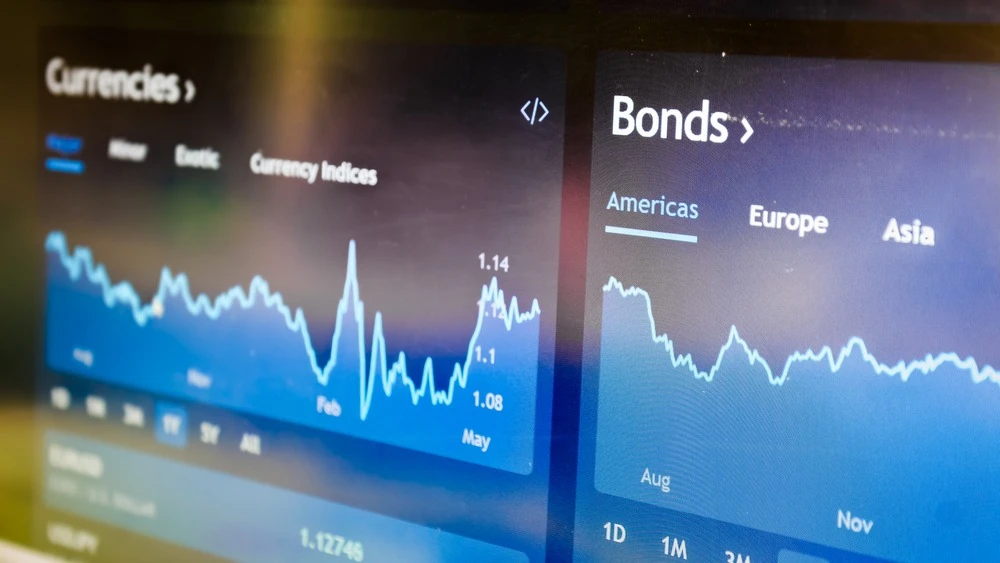
Bond market loses $2.5 trillion due to war with Iran / Photo: Richard Panasevich / Shutterstock
Fears of stagflation amid war with Iran have led to a sharp decline in the global debt market: in March, the value of bonds fell by more than $2.5 trillion. For the bond market, this could be the largest monthly decline in more than three years, Bloomberg writes.
Details
Pressure on bonds in March is exerted by rising oil prices, which accelerates inflation and thus reduces the value of fixed payments on debt instruments, notes Bloomberg. Although losses in the bond market are inferior to the losses, which before the announcement of U.S. President Donald Trump on peace talks with Iran recorded global equity markets (about $11.5 trillion), such dynamics looks atypical, notes Bloomberg: in periods of geopolitical instability, debt securities, as a rule, on the contrary, demonstrate growth.
"The markets are starting to build into prices what I think is going to manifest itself as stagflationary momentum very soon. The longer this [war in Iran] goes on, the higher oil prices could go," StoneX Group chief market strategist Catherine Rooney Vera said. Following Trump's announcements of a temporary ceasefire on Iran's energy infrastructure, Brent crude oil prices fell more than 10% at one point to $96 a barrel, but then slowed down and at the time of publication are trading at $104.6 a barrel - this is however more than 40% higher than before the conflict in the Middle East escalated.
Against the background of rising energy prices, the total market value of global government, corporate and securitized debt fell by 3.1% over the month - from almost $77 trillion at the end of February to $74.4 trillion by the end of March, according to data from the Bloomberg Global Aggregate Total Return index, which tracks the dynamics of the global debt market. This drop could be the largest since September 2022, when the Federal Reserve (Fed) was in the midst of an aggressive cycle of interest rate hikes, Bloomberg recalls.
Moreover, government debt is experiencing the biggest decline: the Bloomberg index of sovereign bonds fell by 3.3% in March, while corporate bonds fell in price by 3.1%. US Treasury bond yields rose to their highest levels in months amid expectations that the Fed will be forced to raise rates to fight inflation.
Also before Trump's announcement of peace talks with Iran, UK government bonds (also known as gilts) were heading for their worst month since the 2022 sell-off that led to the resignation of the country's former prime minister Liz Truss, Bloomberg writes. The Gilts index has fallen nearly 5 percent since the start of March, with losses of about £108 billion ($143.3) in market value - bringing it down to £1.63 trillion ($2.16).
The decline in the British debt market continued on Monday, March 23: the yield on two-year government bonds rose to the maximum since February 2024. British securities show one of the worst dynamics among developed markets, which is associated with the country's high dependence on imported energy resources from the Gulf countries and, as a consequence, Britain's increased vulnerability to supply disruptions, Bloomberg notes.
What's next
The Federal Reserve could allow the possibility of a rate hike as early as its April meeting if energy prices remain high and unemployment remains stable, interest rate strategists at BNP Paribas said last week.
Investors cut bets on a Fed interest rate hike after Trump's comments, with bets now at 20 percent in December, down from more than 50 percent previously, data from CME Group's FedWatch tool shows.
The European Central Bank, in turn, may have to consider raising rates as early as April if inflationary pressures intensify due to the war with Iran, said ECB Governing Council member Joachim Nagel. On March 19, the ECB kept interest rates in the eurozone at 2% - for the sixth time in a row.
Before Trump's comments, traders were pricing in up to four rate hikes by the Bank of England by 0.25 p.p. this year. After the statements of the U.S. President, market participants reduced rates to two increases - the same expectations they had before the conflict in Iran, notes Bloomberg. The Gilts index showed a return of about 5% in 2025 - the best result since 2020, the agency notes.
"The UK interest rate market has experienced one of the sharpest shocks in recent times. The current macroeconomic environment is likely to remain unfavorable for gilts," said Morgan Stanley analysts Fabio Bassanino and Luca Salford.
"Rising inflationary pressures are limiting central banks' ability to support the economy, and some will have to raise rates even amid slowing growth to contain inflation and weakening currencies," Bloomberg quoted Chinh Nguyen, a senior economist at Natixis in Hong Kong, as saying.
This article was AI-translated and verified by a human editor