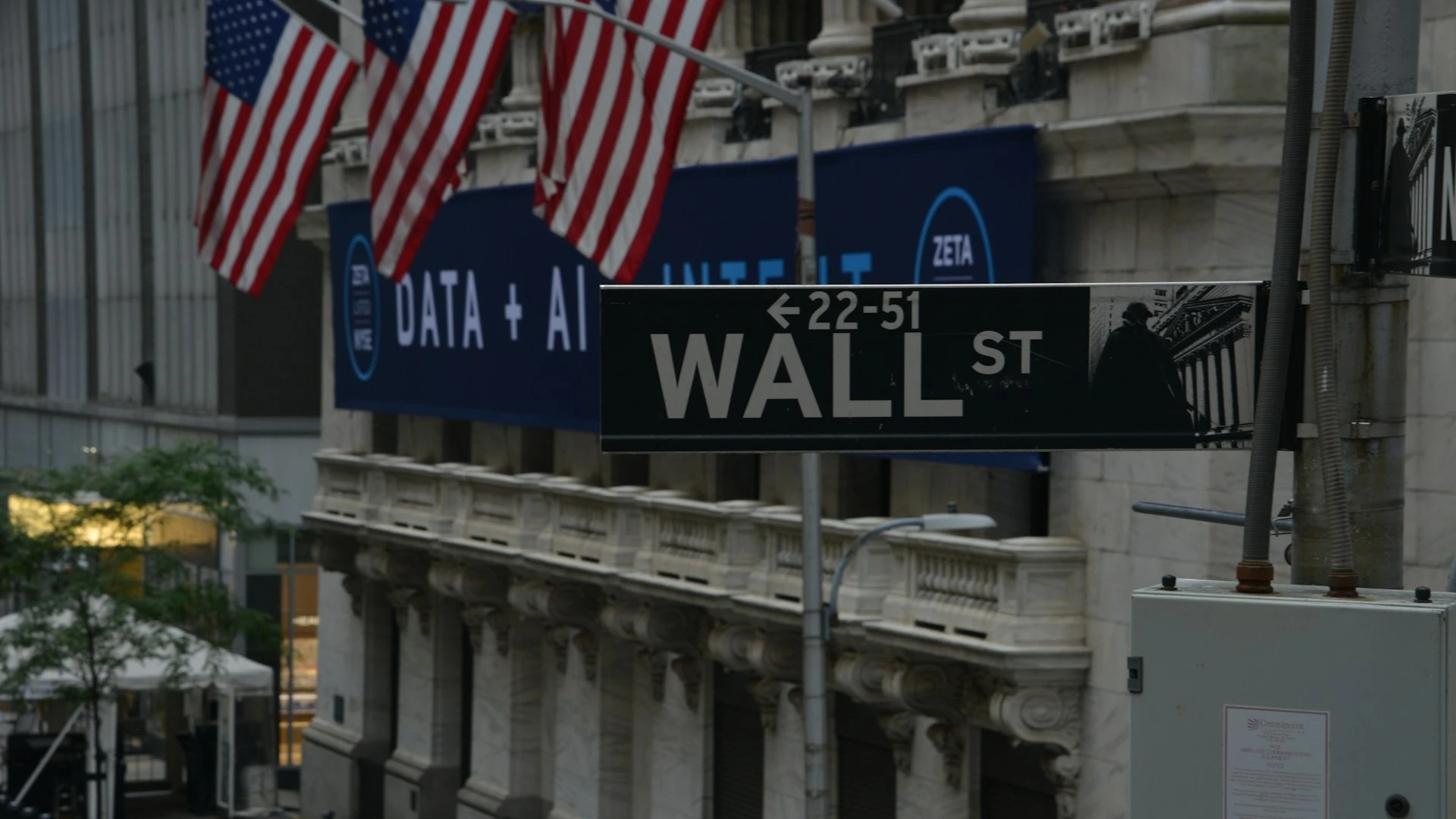
Morning in New York: geopolitics once again dictates trading direction
Investors will focus on the sharp deterioration of the geopolitical environment after the failure of the US-Iran dialogues

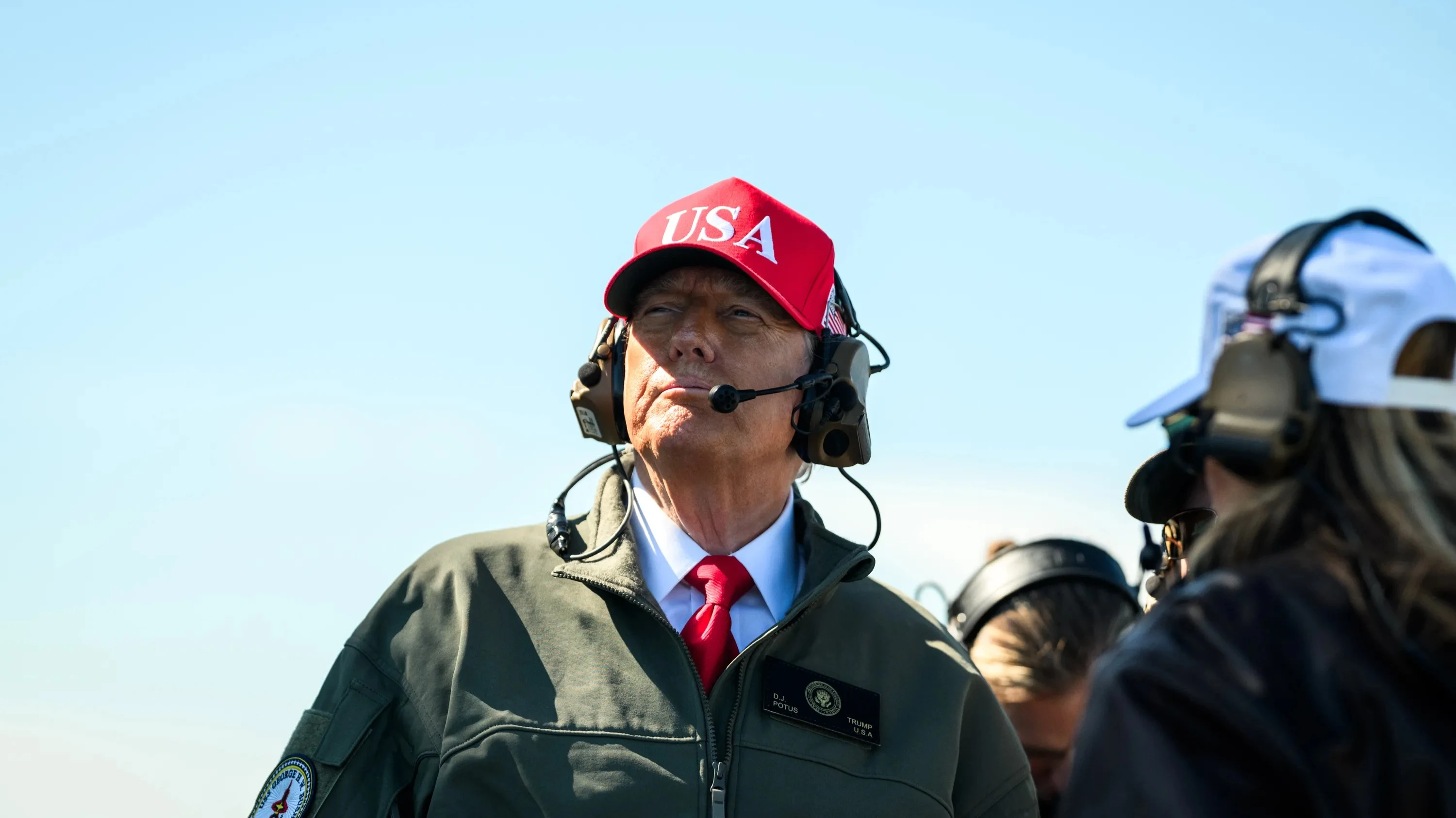
The blockade of Iranian ports by the Americans marks the transition of the conflict to a more acute phase and significantly increases the risks of further escalation / Photo: whitehouse.gov
Daily review and forecast of events on the U.S. stock market from Mikhail Denislamov, Deputy Director of Freedom Capital Markets Research.
We expect
Investors will focus today on the sharp deterioration of the geopolitical situation after the breakdown of the dialog between the U.S. and Iran in Islamabad. The talks, which lasted more than 20 hours, ended without results. At the same time, the US side reaffirmed its tough stance on the key terms of peace conclusion. Now the U.S. plans to begin a naval blockade of Iranian ports at 10:00 a.m. Eastern time, which marks the transition of the conflict into a more acute phase and significantly increases the risks of its further escalation.
The situation is complicated by growing military activity in the region. Israel has put its armed forces on high alert, considering the scenario of renewed direct hostilities with Iran, which, in turn, is demonstrating its readiness to retaliate and maintains control over shipping in the Strait of Hormuz. Adding to the uncertainty are reports of possible Chinese support for Iran, including the delivery of air defense systems in the coming weeks.
From today's few macro releases, let's highlight the secondary home sales data for March (consensus: 4.05 million, February: 4.09 million). A further decline in the indicator will reinforce signals of slowing consumer activity and cooling economy, while stronger data will point to resilient demand.
Also in focus remain comments from International Monetary Fund (IMF) officials ahead of the spring meetings, which could inform global economic growth forecasts amid increasing geopolitical uncertainty.
The quarterly reporting season has begun. The market expects the profit of S&P 500 companies to increase by 12.7%. Goldman Sachs (GS) and Fastenal (FAST) will present their results before the opening of the main session.
Futures on S&P 500 show moderately positive dynamics. We estimate the balance of risks for the upcoming session as neutral with increased volatility. If the broad market index consolidates above 6850 points, it will contribute to its further growth, if the 6750 points mark is broken, the pressure will increase.
In sight
- GFL Environmental (GFL) is up about 2% before the opening of trading after reports that the company is preparing to take over Secure Waste for more than $4.3 billion, a premium of about 15% to the closing price on April 10. The deal could significantly strengthen the company's position in the industrial waste management segment by expanding the scale of its business in North America.
- Chevron (CVX) and Exxon Mobil (XOM) are gaining about 2% and 3% respectively in the pre-market due to renewed growth in oil prices. Increased tensions around the Strait of Hormuz increase the risks of disruptions in hydrocarbon supplies, which will boost the revenues of major oil producers.
- Baker Hughes (BKR) shares are up within 2% before the start of the main session after announcing the sale of its Waygate Technologies unit to Sweden's Hexagon for about $1.45 billion in cash. The deal is expected to close in the second half of 2026. The sale reflects a portfolio optimization strategy, while the previously announced $13.6bn acquisition of Chart Industries signals a course of expansion in the natural gas and LNG segment.
- Meta Platforms (META) shares are down 1% in the premarket as Philippine authorities demanded the company submit a plan within a week to curb the spread of "panic" fake news related to rising energy prices and the risk of supply disruptions. The tightening of content controls reflects a broader trend of increased regulation in the online media sector.
The market on the eve of
April 10 trading on the U.S. stock exchanges ended mixed. S&P 500 decreased by 0.11%, breaking a seven-day series of growth, Nasdaq 100 rose by 0.14%, Dow Jones lost 0.56%, and Russell 2000 fell by 0.22%.
The quotes dynamics was determined by a combination of geopolitical factors and overestimation of macroeconomic expectations. Investors put uncertainty of the outcome of the negotiations between the US and Iran in Islamabad into their expectations.
Materials producers (XLB: +0.56%) were the leaders of growth supported by metallurgical and chemical companies. The healthcare sector (XLV: -1.35%) was the outsider due to pressure on the pharmaceutical and biotech segments.
The sell-off continued in shares of software developers. The IGV industry index fell more than 7% over the week amid heightened concerns about structural changes in the industry related to the development of artificial intelligence. At the same time, leading semiconductor manufacturers including Nvidia (NVDA: +2.57%), Broadcom (AVGO: +4.69%) and AMD (AMD: +3.55%) were favored by buyers responding to sustained strong demand for computing power. Within the major technology companies, Amazon (AMZN: +2.02%) stood out as it continued its recent rally.
Macroeconomic releases were mixed. The overall consumer price index (CPI) for March rose by 0.9% mom, matching expectations. In annualized terms, its growth accelerated to 3.3% y/y vs. February's 2.4%, which is explained by a sharp rise in energy prices. At the same time, the core CPI in March increased by only 0.2% m/m against the consensus of 0.3%. The consumer sentiment index from the University of Michigan fell to 47.6 with an average benchmark of 52. This signals a deterioration in households' expectations and a rise in their inflation expectations.
Treasury bond yields rose by 2-3 basis points across the curve. The dollar index fell by 0.2%, gold fell by 0.6%, WTI crude oil corrected by 1.3% amid volatile trading.
Company News
- India's Sun Pharma is preparing to make an offer in the coming weeks to buy Organon & Co. (OGN: +27.8%) for about $12 billion. According to media reports, financing for the deal is in the final stages.
- CoreWeave (CRWV: +10.9%) has entered into a multi-year contract with Anthropic to provide computing power to run AI models at industrial scale. This agreement confirms the consistently strong demand for AI infrastructure.
- CommVault Systems (CVLT: +10.3%) is considering a sale to one of the interested buyers, including Thoma Bravo. The company's assets in the cybersecurity and data protection segment are strategically attractive for a takeover.
- Taiwan Semiconductor Manufacturing (TSM: +1.4%) reported first-quarter revenue growth of 35% YoY to approximately $36 billion, beating average market expectations. The strong results point to continued strong demand for advanced AI chips, partially offsetting geopolitical risks and rising costs.
- ServiceNow (NOW: -7.6%) is under pressure due to growing concerns about the outlook for traditional enterprise software developers and expectations for more moderate financial results in the coming quarters.
This article was AI-translated and verified by a human editor