Oil is heading for its longest losing streak of the year. Traders' bets on a decline are at a peak.

Oil prices are falling for the sixth consecutive trading session. Photo: Westlight/Shutterstock
Oil prices are falling for the sixth consecutive trading session, approaching their longest losing streak since August 2025. This trend is driven by Saudi Arabia’s moves to resume operations on the key “East — West” and reports of diplomatic progress between the U.S. and Iran, which are easing concerns about supply disruptions through the Strait of Hormuz, the Financial Times (FT) notes.
Meanwhile, traders are actively buying options, betting on a further drop in Brent crude oil prices, according to Bloomberg. Yesterday, the volume of “bearish” bets rose to record levels—investors are reevaluating their positions following the rapid rally of recent days.
The Situation in the Oil and Options Markets
Prices for the benchmark Brent crude briefly dipped below $98 per barrel on Wednesday, marking a loss of more than 9% over the past five trading sessions (last week, the price of these contracts nearly reached $110), while U.S. WTI fell 15% over the same period, according to MarketWatch data, and is trading below $90.
Oil traders are anticipating an even sharper decline: on Tuesday, trading volume in Brent put options exceeded 764,000 contracts, marking an all-time high, according to Bloomberg, citing preliminary data from ICE Futures Europe. A significant portion of the activity was concentrated in tight put spreads, which are often used to hedge over-the-counter binary trades. For example, on September 22, trading volume in December $70/$69 put spreads exceeded 110,000, November $93/$92 put spreads totaled 40,000, and February’s $70/$69 contracts totaled 38,500. These accounted for more than half of the total volume of contracts traded. According to the agency, recent events have also triggered “bullish” signals across several key market indicators: the call skew fell to its least “bullish” level since June, reflecting a decline in the cost of hedging against rising prices.
Geopolitical Context
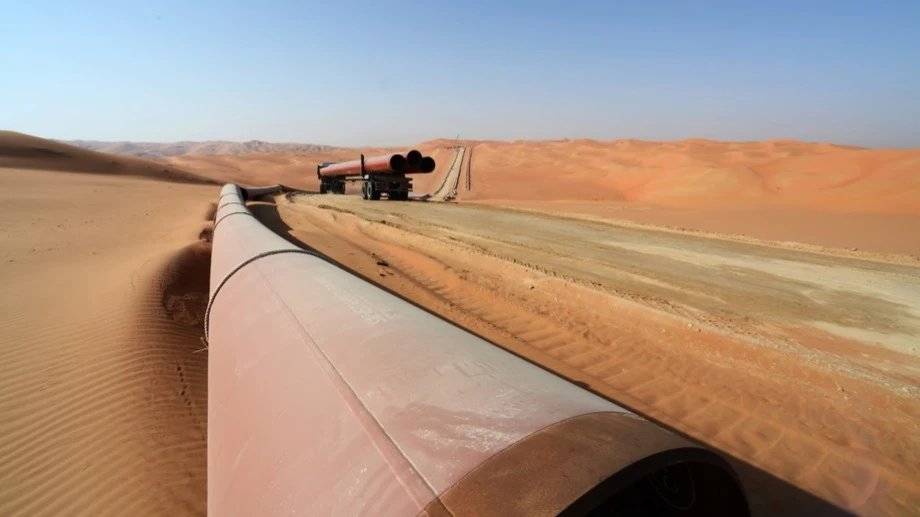
Saudi Arabia expects to fully resume oil exports via its key “East-West” pipeline in the coming days, which will allow Riyadh to once again ship oil bypassing the Strait of Hormuz. The pipeline, which has a capacity of 7 million barrels per day, was damaged in attacks in early September, according to Bloomberg.
U.S. President Donald Trump also stated that American officials had held a “very productive” meeting with Iranian representatives on the sidelines of the UN General Assembly—despite the fact that he himself had earlier threatened to destroy the Islamic Republic during a speech at that same event. The two sides now plan to continue negotiations, Trump added.
After more than six months of conflict in the Middle East, Washington and Tehran remain at odds over a number of key issues, including the status of the Strait of Hormuz. Iran has stated its desire to control this strategic waterway, while the U.S. insists that its international status remain unchanged.
This article was AI-translated and verified by a human editor