Oman Announces Plans to Charge Fees for Ships Passing Through the Strait of Hormuz — Bloomberg


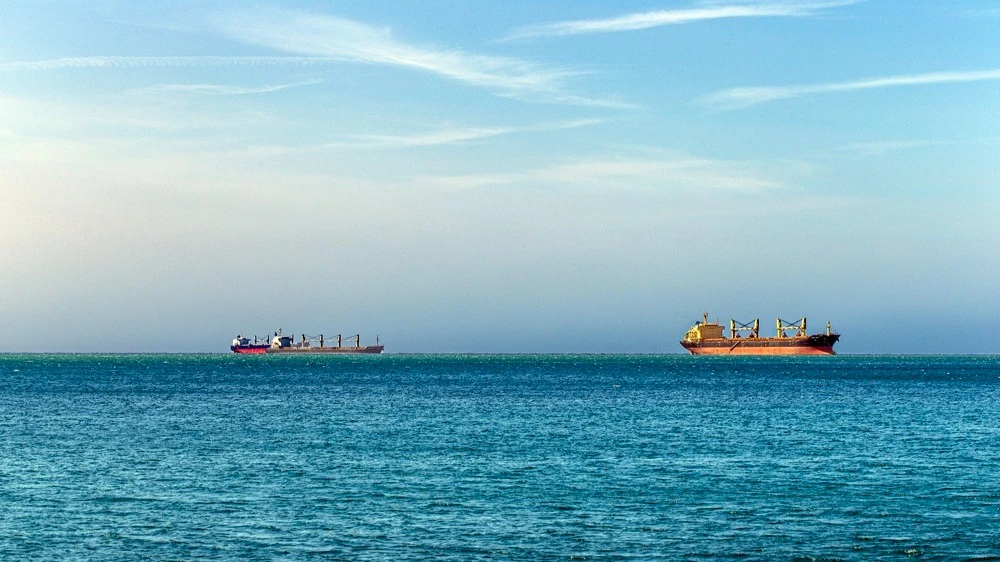
Oman may impose a fee for passage through the Strait of Hormuz, according to Bloomberg sources / Photo: zhao chen / Unsplash.com
Oman has informed European officials that it is considering the possibility of imposing service fees on ships passing through the Strait of Hormuz, Bloomberg reports, citing sources. The agency believes such a move could become one of the key issues in negotiations between the U.S. and Iran on a long-term peace agreement. The Strait of Hormuz is crucial for oil shipments from the Persian Gulf.
Details
A return to the pre-war shipping regime in the Strait of Hormuz is impossible, and ships passing through it may be required to pay fees for pollution cleanup and navigational assistance, Bloomberg reports, citing sources. According to these sources, Omani authorities have informed European officials of this, assuring them that the sultanate will continue to comply with international maritime law. It remains unclear whether all fees will be mandatory, Bloomberg notes. According to its sources, Oman is analyzing the experience of other countries in regulating shipping through the world’s narrow straits, including the Strait of Malacca in Asia—an area where there are no mandatory shipping fees.
Negotiators from the U.S., European countries, and Arab Gulf states fear that Oman and Iran may jointly establish a toll system for passage through the Strait of Hormuz, Bloomberg notes. According to the agency’s estimates, such fees could cost shipping companies tens of billions of dollars annually, the agency states.
Oman maintains relations with both the United States and Iran. However, according to Bloomberg, officials from the sultanate have told European representatives that they are facing pressure from Tehran, which, since the war, has been insisting on joint management of shipping in the strait with Oman. “Oman has found itself caught between a rock and a hard place as it tries to balance its relations with Iran and the U.S.,” Bader Al-Saif, a professor at Kuwait University, told Bloomberg.
On June 23, Oman and Iran announced their intention to discuss the rules for the operation of the Strait of Hormuz and the associated costs. However, just two days later, the sultanate joined a joint statement by the United States and the Gulf Cooperation Council, in which the parties rejected any duties, fees, or attempts to establish control over the strait.
Context
The issue of passage through the strait remains one of the key issues in the negotiations between Washington and Tehran after nearly four months of war. U.S. Secretary of State Mark Rubio stated that Iran must guarantee that there will be no fees for passage through the Strait of Hormuz if it hopes to reach a long-term peace agreement, Bloomberg reports. Otherwise, Rubio warned, other countries may follow suit with regard to their own strategic sea lanes in the region.
After U.S. President Donald Trump signed a temporary peace agreement with Iran, shipping volumes through the strait began to recover; however, shipping volumes remain significantly below pre-war levels, and risks to vessels persist, Bloomberg concludes.
This article was AI-translated and verified by a human editor