Stocks fall, oil at $98: Trump promises to keep U.S. troops in the Middle East

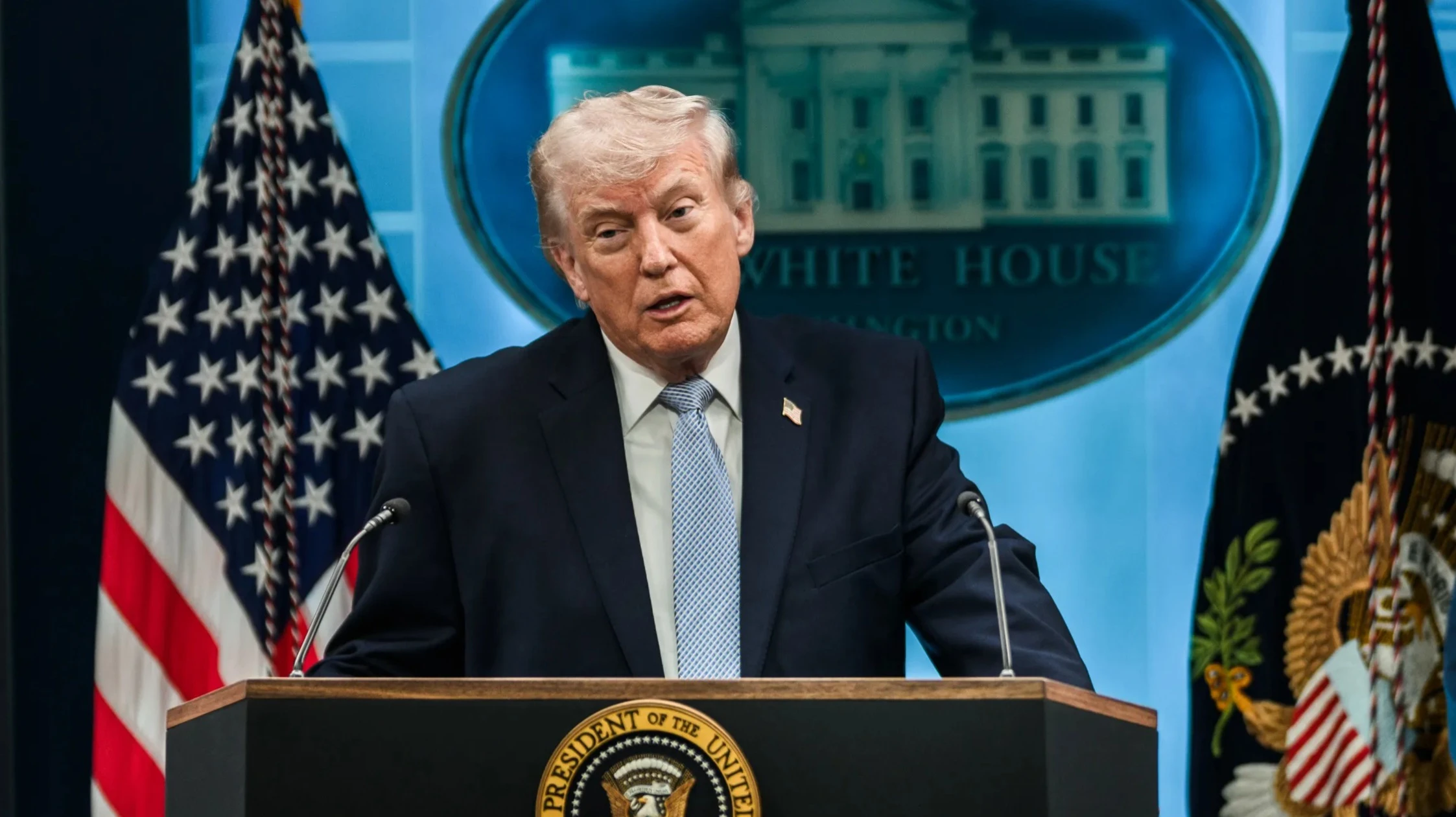
Photo: The White House
US President Donald Trump has promised to keep US troops in the Persian Gulf ahead of talks with Iran. The day before, both sides accused each other of violating the terms of the ceasefire, after which Iran again reported the suspension of shipping through the Strait of Hormuz. Markets, Bloomberg points out, reflected this uncertainty: oil prices began to rise again, while stocks in Europe and Asia fell.
Details
- The cost of Brent crude oil at the trading on April 9 - after the maximum collapse for almost six years the day before on the background of the truce in the Middle East - began to grow again. At the time of publication it added 3.39% and traded at $98.2. Also in the plus by 3% are contracts for American WTI, at $97.33 per barrel.
- European stock markets on April 9, meanwhile - in the red zone. The pan-European index Stoxx 600 loses 0.54%, the French CAC 40 - 0.56%, the German DAX is down by a little more than 1%, the British FTSE 100 falls by a symbolic 0.14%.
- Similar dynamics are demonstrated by shares in Asia: Japanese Nikkei 225 falls by 0.7%, South Korean Kospi Composite ended the session on April 9 in the minus by 1.61%, Hong Kong Hang Seng lost 0.54%.
- Spot gold prices remained virtually unchanged from the previous close: they are trading at $4725.8 per ounce, adding a symbolic 0.14%. Silver, on the contrary, is losing 0.15% to $74.
Context
On the evening of April 8, the speaker of the Iranian parliament Mohammad-Bagher Ghalibaf accused the U.S. of violating the ceasefire regime - this happened less than 24 hours after the conclusion of the deal, recalls CNBC. In particular, Tehran drew attention to Israel's continued attacks on Lebanon, the penetration of a drone into Iranian airspace and Washington's denial of the Islamic republic's right to enrich uranium. Trump, reacting to these claims, announced that the U.S. military, which has been pulled into the Gulf states in recent months, will remain there until Tehran fully complies with the requirements of a "real agreement." Any violation of the deal would trigger a U.S. military response "more extensive than ever before," Trump warned.
However, despite the escalation of rhetoric, there are signs that the truce is largely being respected, Bloomberg writes. This is evidenced by a noticeable decrease in Iranian attacks on targets in the Persian Gulf countries: the last notable attack was carried out on the afternoon of April 8 - it was aimed at a key oil pipeline that transports oil to the west coast of Saudi Arabia.
What the analysts are saying
- "The chances of a significant resumption of shipping [through the Strait of Hormuz] in the near future look elusive," said Vandana Hari, founder of analytical firm Vanda Insights. Volatility in oil prices will continue, she estimated. "The futures market looks somewhat volatile," she noted, adding that otherwise "prices should have long since returned to the levels seen before the ceasefire" (quoted by Reuters). After the U.S. and Iran reached a two-week agreement, Brent crude prices ended the day down 13.3 percent, while WTI crude fell 16.4 percent, their biggest one-day drop in nearly six years.
- "Even if [energy shipments through the Strait of Hormuz] resume, the risks will not disappear overnight," Wealth Club chief investment strategist Suzanne Streeter pointed out. "Tankers may have to pass through mined waters, in the face of an increased military presence, leading to high insurance premiums and higher freight costs," she noted (quoted by Reuters).
This article was AI-translated and verified by a human editor