The U.S. dollar is poised for its worst week in three months
Doubts are growing in the market about the reliability of the Fed's policy, according to Bloomberg—this week, the central bank kept interest rates unchanged despite inflation exceeding its target levels

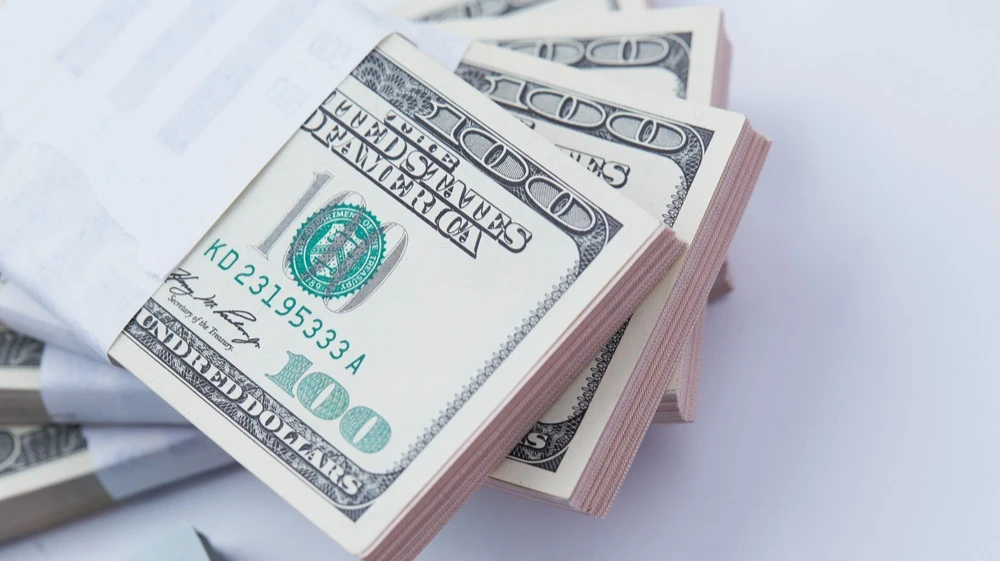
The Dollar Index Is Heading for Its Worst Week in Three Months / Photo: Katerina Graghine / Shutterstock
The U.S. dollar is heading for its worst week in three months amid concerns that the Federal Reserve (Fed) will not act decisively enough to curb inflation, according to Bloomberg. On July 29, the Fed left interest rates unchanged for the fifth time, despite inflation falling short of its 2% target.
Details
Over the past five days, the Bloomberg U.S. Dollar Index has lost 1.2%. Although it recouped some of its losses on Friday, July 31 (gaining 0.3% thanks to an inflow of funds at the end of the month), the index remains near its weakest level in more than a month, the agency notes. Meanwhile, the yield on 30-year U.S. Treasury bonds remains near its 2007 highs following the Fed’s latest interest rate decision.
The decline in the U.S. dollar, despite rising U.S. Treasury yields—which typically support the dollar—reflects concerns about confidence in the Fed, according to Bloomberg. Fed Chairman Kevin Warsh is under close scrutiny due to his actions and statements, which have heightened fears that the central bank may refrain from raising rates and allow inflation to remain above its 2% target, the agency notes. On July 29, the Fed left its benchmark interest rate unchanged at 3.5–3.75% for the fifth time.
Nevertheless, market swaps (interest rate contracts) continue to price in a 34-basis-point increase in the Fed rate this year, which is virtually unchanged from Thursday.
Efforts by Japanese authorities to prop up the yen also added to the pressure on the U.S. currency this week, Bloomberg reports. Yesterday, as a result of interventions, the Japanese currency jumped nearly 3.3% against the U.S. dollar during trading in New York, although it has since pared its gains after the Bank of Japan left interest rates unchanged on July 31.
What Analysts Are Saying
The simultaneous decline in the value of U.S. Treasury bonds (their prices fall when their yields rise) and the dollar closely resembles what typically happens in emerging markets, noted Randhir Prakash, managing director of Gavekal Wealth. Investors are beginning to express dissatisfaction with the course of U.S. policy, which “is a ‘bearish’ signal for both government bonds and the U.S. dollar,” he added.
"We're not rushing to call the bottom of this dollar sell-off just yet. Any disappointment in U.S. [macroeconomic] data is likely to lead to a more significant ‘dovish’ reassessment of expectations than before,” said ING currency strategist Francesco Pesole.
This article was AI-translated and verified by a human editor