"Weeks, if not months": analysts on timeline for normalization of the Strait of Hormuz operation

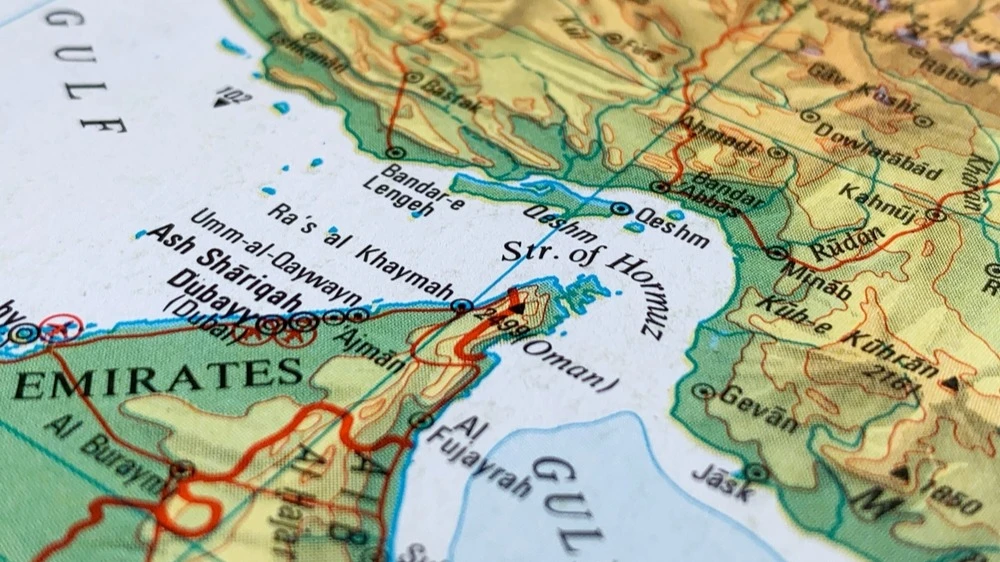
Ship traffic in the Strait of Hormuz will not recover in the coming weeks, shipping and maritime transportation experts say / Photo: AustralianCamera / Shutterstock
Ship traffic through the key artery for energy supplies - the Strait of Hormuz off the coast of Iran - remains at a minimum level despite the declared truce between the U.S. and Iran, CNBC writes. According to experts in shipping and maritime transportation, traffic through the Strait of Hormuz will not be restored to pre-war levels in the near future.
Details
- Passage conditions, tariffs and the legal framework for shipping through the strait remain uncertain, deterring shipowners from using the Strait of Hormuz, CNBC cited an assessment by maritime analysis firm Windward. The company pointed out that it is still unclear whether Iran will retain control of the strait following the outcome of negotiations with the United States, but current signals indicate that Tehran is unlikely to give up this leverage within a two-week period.
- "A return to normal operations for our industry is a matter of weeks, not days," said Niels Haupt, head of corporate communications at Hapag-Lloyd, one of the world's largest shipping companies. He said the company is "for the time being refraining" from passing through the Strait of Hormuz based on the latest risk assessment.
The supply problem, he said, will not be solved until all ships leave the Strait of Hormuz, as hundreds of thousands of containers at ports in India, Oman and Pakistan are still waiting to be shipped to the Persian Gulf. He added that restoring pre-war shipping schedules "will take weeks, if not months."
- Danish shipping company Maersk said that while the two-week truce between the U.S. and Iran may create new opportunities for ship transit, it does not yet provide full stability for maritime transportation. "All possible accompanying conditions need to be assessed," the company pointed out.
- "Conditional passage [of vessels] is not passage. It is control by another name," Sultan al-Jaber, CEO of the state-owned Abu Dhabi National Oil Company, wrote on LinkedIn on April 9. This was brought to Bloomberg's attention. According to al-Jaber, the Strait of Hormuz remains effectively closed to shipping despite the deal - Iran continues to restrict energy access to global markets.
What's happening in the Strait of Hormuz
Only four ship transits through the Strait of Hormuz were recorded on Wednesday, April 8, despite a temporary truce between the U.S. and Iran, according to S&P Global Market Intelligence data cited by CNBC.
The fragile truce has yet to restore shipowners' confidence in passage through the strait, especially amid risks of a deal breakdown between Washington and Tehran, CNBC writes. Iran has already accused the US of violating the terms of the ceasefire over Israel's attacks on Lebanon, US President Donald Trump has responded by threatening Iran with a massive military response if the deal is violated. According to S&P Global, the ships continue to use a modified route when passing through the Strait of Hormuz - off the island of Larak.
More than 400 oil tankers and dozens of liquefied natural gas (LNG) and liquefied petroleum gas (LPG) carriers remain anchored outside the Persian Gulf, waiting for signals to pass. This is according to data from MarineTraffic's Automatic Identification System (AIS)-based vessel tracking platform, cited by CNBC.
Meanwhile, Iran's Ports and Maritime Organization on April 9 announced two safe routes for ships entering and leaving the Strait of Hormuz, Bloomberg quoted Iran's state-run Nour News agency as saying. Iranian Deputy Foreign Minister Saeed Khatibzadeh said in an interview with ITV on April 9 that tankers and other vessels should coordinate with the Iranian military when crossing the Strait of Hormuz to ensure safe passage. "Every vessel should coordinate the necessary measures with Iranian authorities to pass safely," he said. He said "technical constraints" related to the conflict remain in the strait, including the possible presence of sea mines, which requires extra caution.
What's up with oil prices
WTI and Brent crude oil prices fell on April 9 to around $99 and $98 per barrel, respectively, from levels of around $115 and $110 before Trump announced a temporary truce with Iran. However, even these valuations are more than 30% higher than WTI and Brent were worth before the conflict in the Middle East began.
This article was AI-translated and verified by a human editor