'Oil at $150': Onyx expects crude prices to soar with US blockade of Strait of Hormuz
Tanker traffic through the Strait of Hormuz has come to a halt ahead of the start of the U.S. blockade of the waterway

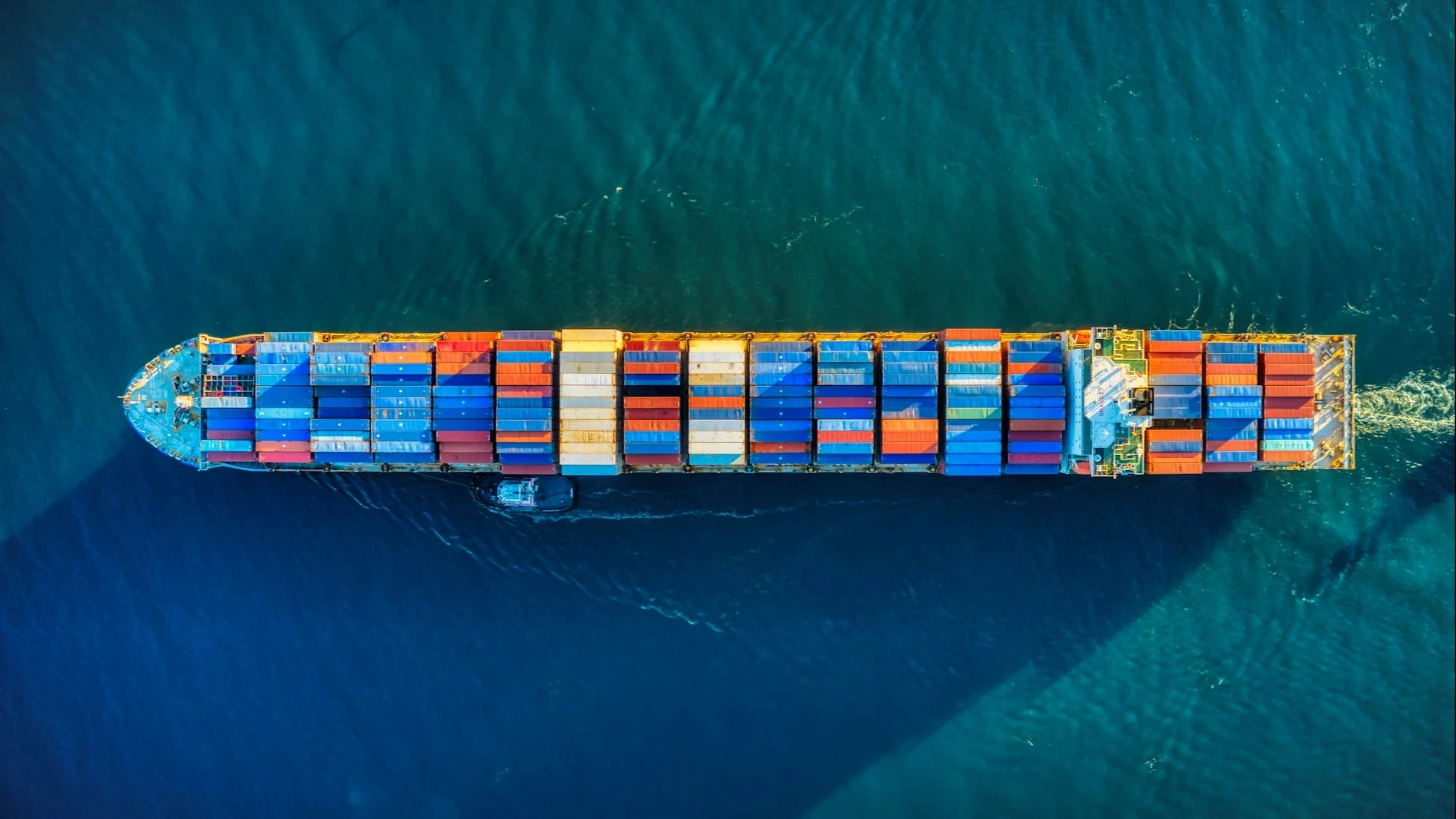
The 8% surge in oil prices that followed Trump's threat to block the Strait of Hormuz does not at all reflect what could happen in the commodities market, says an expert / Photo: Venti Views / Shutterstock
Oil prices should significantly exceed current quotations if the U.S. implements the planned naval blockade of the Strait of Hormuz. This was stated on Bloomberg Television by Jorge Montepeque, managing director of Onyx Capital Group, an analytical firm specializing in the global market of oil products.
Details
Amid US President Donald Trump's reports that the US military is preparing to blockade vessels in the Strait of Hormuz that are en route to or from Iranian ports or have paid transit fees to Tehran, oil prices jumped 7-8% on April 13. Contracts for Brent rose to a high of 103.87 per barrel, for North American WTI - jumped to $105.63.
"The figure we saw this morning - $103 [per barrel], an 8% increase [in oil prices] - is completely unreflective of what could happen if the U.S. does decide to introduce this block," Montepeque noted. These values, in his opinion, do not reflect the real situation: "[Oil] should be at $140-150 [per barrel]," he added.
At the time of publication, Brent is at $102.79, while WTI is at $104.62.
The US blockade of the Strait of Hormuz could turn a regional - Middle East - conflict into a potentially global one, Montepeque warned, noting that it could cut supplies by up to 12 million bpd. So far, traders have deemed the blocking of the strait by both sides of the conflict "too crazy" - hence the relatively calm dynamics of asset prices during the Asian session, he added.
"The US is so passionate about Iran that it is overlooking how its moves are affecting the rest of the world," the oil industry veteran noted, emphasizing that "the pain [over Washington's decisions] is being felt in both Asia and the Pacific - the pain is being felt by everyone who depends on oil," he stated.
Context
Amid Trump's announcements that he would begin a blockade of ships in the Strait of Hormuz on April 13, tanker traffic through the strait, which had begun to gradually increase after the two-week truce announced last week, has come to a halt again, CNBC writes, citing Lloyd's List Intelligence data. At least two ships that were about to cross the strait on April 13 have turned back, the network notes.
Trump has promised to block the passage through the Strait of Hormuz of ships traveling to or from Iranian ports, as well as tankers that pay transit fees to Iran, starting at 10:00 a.m. Eastern Time on April 13 (7:00 p.m. Astana time).
This article was AI-translated and verified by a human editor