One of last year's best stocks is now the cheapest in the S&P 500. Is it worth buying?
Micron shares collapsed more than 15% for the week and entered the bear market zone

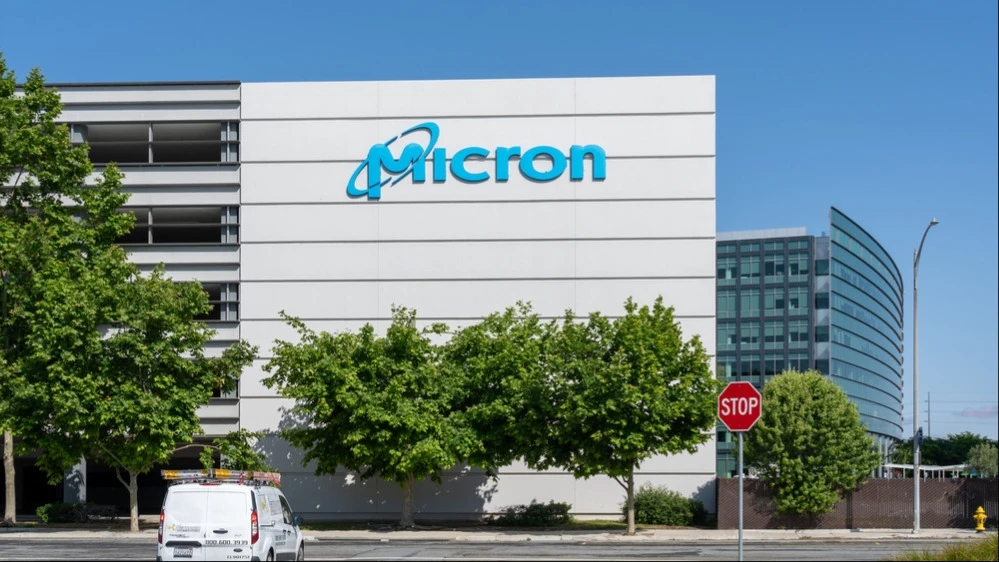
Wall Street expects Micron stock to rise 50% / Photo: JHVEPhoto / Shutterstock.com
Shares of memory maker Micron, which last year rose in price by almost 20% and showed the second best result in the S&P 500, are now the cheapest in the index, MarketWatch calculated. Micron's P/E multiple, which reflects the ratio of the securities' value to the company's expected annual earnings, is only about 4.5. Back on December 31, the shares were traded at a ratio of 7.9.
Micron has been one of the main beneficiaries of the shortfall caused by soaring demand for AI processors. But the combination of the recent sharp drop in its stock price and the company's soaring earnings outlook makes its securities extremely undervalued, MarketWatch notes.
Shares of Micron for the week collapsed by more than 15% and entered the "bear market" zone, they are now trading 22% below the high reached on March 18. "Bear market" is defined as a decline of more than 20% from the recent peak. The selloff began as early as last week following the release of the manufacturer's quarterly report. Despite the fact that the company presented strong results - for example, its revenue almost tripled - investors were spooked by rising capital expenditures.
What worries investors
At the end of February, the Wall Street consensus forecast was for the company's next 12 months earnings per share (forward EPS) to be $44.1. It has now risen to $79.58. Analysts raised estimates following the company's positive comments on pricing and demand during its earnings conference call. Still, the stock has come under pressure despite expected further growth in financials, with Micron raising its capital expenditure forecast for the current fiscal year to $25 billion from $20 billion and warning investors of even higher spending next year. The money is needed to expand production and meet soaring demand for memory chips, which have become critical to the development of AI infrastructure.
Investors fear that the memory market may soon peak due to plans by leading players to increase production capacity, MarketWatch explains. The companies' profits have jumped due to a severe supply-demand imbalance that has allowed Micron and its few competitors to significantly increase the prices of their products. The company now expects gross margins of 81% in the current quarter, an extremely high figure for iron makers, MarketWatch notes.
Increased production capacity could weaken the company's pricing power, which raises questions about the sustainability of such high margins, the publication wrote.
Investors are also mindful of past negative experience: the memory market is traditionally highly cyclical, with Micron, for example, recording a net loss as far back as 2023. They are likely being cautious "given previous collapses," Deutsche Bank analyst Melissa Weathers wrote in a note. Those concerns are "difficult to dispel quickly," she said.
What analysts recommend
Wall Street is looking positively at shares of the memory maker. According to MarketWatch, 47 out of 50 analysts tracking Micron securities recommend buying them. Three months ago, there were only 39 "bullish" estimates.
Three analysts took a neutral stance and suggest keeping the shares in the portfolio, while there is no advice to sell. A month ago, two investment banks recommended investors to reduce their stake in the company.
The Wall Street consensus price target is $535.2, which is 50% above Micron's current share price.
This article was AI-translated and verified by a human editor