The dollar has come close to its best weekly gain since late June

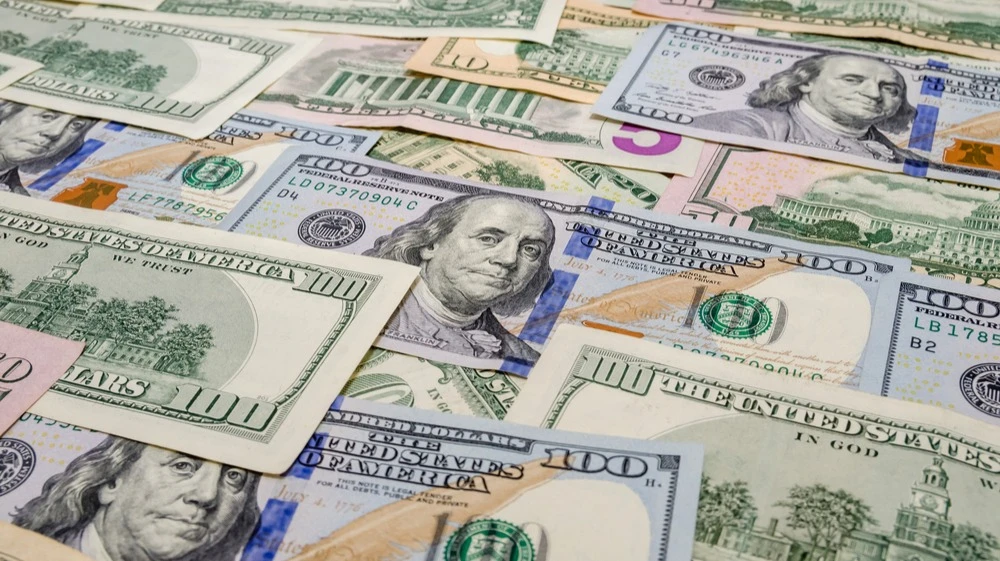
The dollar has approached its best performance in a week since late June / Photo: RomanR / Shutterstock
The dollar is on track to post its best weekly performance in the past month as investors return to the traditional safe-haven asset amid rising geopolitical tensions, according to Bloomberg.
Details
The U.S. dollar is holding near the three-week high it reached on Thursday, July 23. The U.S. dollar lost some ground in weekly terms at the start of trading in London on Friday, as some traders chose to close out short-term bullish positions ahead of the weekend; however, underlying demand for the U.S. dollar remained strong, according to Bloomberg.
The currency is being supported by the escalating conflict in the Middle East and another round of U.S. tariffs, the agency notes. Weekly options positioning has become the most favorable for the dollar in the past month: this is a sign that, ahead of next week’s Federal Reserve meeting, traders are willing to pay a premium to protect their portfolios, Bloomberg points out.
Interest rate volatility in the U.S. has once again become the main driver of the foreign exchange market. Investors have less clarity than usual regarding the Fed’s next moves, and fluctuations in the bond market are driving capital into the dollar and other safe-haven assets, according to Bloomberg. Traders estimate the probability of a quarter-percentage-point rate hike by the Fed next week at one in three.
The ICE BofA MOVE Index, which tracks expected volatility in the U.S. Treasury market, rose to its highest level since May and is poised to record its longest streak of gains since November, according to Bloomberg. The yield on 10-year U.S. Treasury bonds rose to 4.7117% on Friday, July 24—its highest level since mid-January, the agency added.
What Analysts Are Saying
“Interest rate volatility in the U.S. is rising and coming to the forefront of the market,” noted BNY strategist David Tam. “This will be a direct driver of currency market dynamics, benefiting safe-haven assets and funding currencies, but at the same time hurting risky instruments and carrytrades.”
Oil is also beginning to shift the dynamics of the currency market, widening the gap between energy-exporting and energy-importing countries, Bloomberg notes. “The dollar is starting to gain ground. You’re starting to see how these differences in trade conditions are affecting oil exporters and importers,” said Kamakshya Trivedi, chief currency and emerging markets strategist at Goldman Sachs.
“The dollar continues to rise steadily, as high energy prices are fueling expectations of a response from the central bank,” said Chris Turner, global head of markets at ING. “Although we don’t think the Fed will raise rates next week, betting against this trend remains very risky, and we expect the dollar to outperform the market.”
This article was AI-translated and verified by a human editor