HSBC warned of possible "painful" scenarios for investors

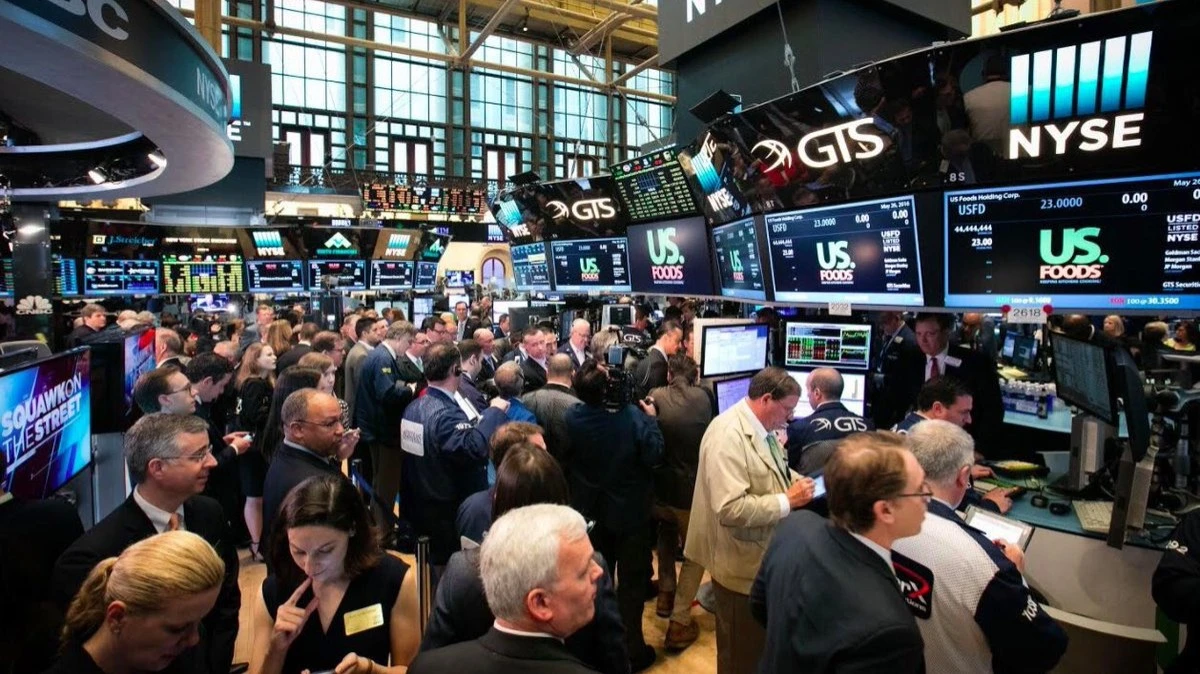
HSBC believes markets should be wary of shocking "painful" scenarios in the second half of the year / Photo: X / NYSE
Markets should brace for a series of “painful scenarios” or unexpected deals in the second half of the year, warned HSBC, according to a note cited by CNBC. “Painful” scenarios are those that investors do not anticipate and from which they stand to lose if they materialize. Among potential surprises, experts highlight a steepening of the U.S. Treasury yield curve, the unabating trend toward artificial intelligence, and an “explosive” rise in the dollar’s exchange rate. The bank believes that trading in the AI sector is expected to face pressure in the coming months due to negative forecasts.
Details
— One of the “worst-case” scenarios for the second half of 2026 could be the artificial intelligence sector maintaining its strong position and posting unexpected growth, at a time when the market “continues to look for vulnerabilities” in this investment idea, writes HSBC.
"For many companies at the forefront of artificial intelligence in the U.S., profit growth expectations for the full year 2026 are at the same level as, or below, the year-over-year profit growth we observed in the 12 months leading up to the second quarter of 2025,” the bank said.
— The prospect of European markets outperforming could also become another “painful” scenario for investors in the second half of the year, as Europe does not have the same level of investment in AI in terms of market capitalization as the U.S. or some emerging markets, according to HSBC.
"But even setting that aside, the resurgence of 'American exceptionalism' is keeping the idea of outperformance by European markets firmly out of the consensus forecasts," HSBC said.
— The bank also expects that the dollar’s “explosive” rally will result in a “painful” scenario for investors. This is driven by the Fed’s more hawkish stance announced in June, which pushed up yields on short-term U.S. Treasury bonds. The Fed left its benchmark interest rate unchanged, but policymakers’ views on the future trajectory were divided: nine forecast at least one rate hike by the end of the year, while another nine expect the rate to remain unchanged or be cut.
"A strengthening of the U.S. dollar will be a sensitive issue for the market, but we believe that a 'worst-case scenario' in the foreign exchange market will manifest itself in an even more explosive period of dollar appreciation," HSBC noted.
If the Federal Reserve signals a willingness to “act more aggressively” than the market expects, this will trigger a sharp rise in the U.S. dollar—especially if financial conditions tighten rapidly, according to HSBC.
— Another unpleasant surprise for investors could be a steepening of the U.S. Treasury yield curve. The bank believes this will result from a surge in headline and core inflation due to oil shocks caused by the conflict in the Middle East.
— A decline in yields in emerging markets could also come as a surprise, according to HSBC. Analysts emphasized that investors expect key interest rates to rise over the next three months, as the market is seeing a shift in fixed-income preferences toward hard-currency debt instruments.
“In other words, investors appear to be factoring into their positions sustained inflationary pressure, limited monetary policy easing, and the continued lag in local interest rates amid a strengthening U.S. dollar,” the experts concluded.
Context
Several banks raised their forecasts for European stocks in late June. On June 29, JPMorgan raised its year-end target for the Stoxx Europe 600 index from 630 to 680 points, implying an increase of approximately 7% from the latest closing price.
Last week, JPMorgan analyst Karen Ward stated that, against the backdrop of falling oil prices and strong growth in the artificial intelligence sector in the U.S. and Asian markets, European stocks remain relatively cheap, offering an attractive entry point.
In addition, Deutsche Bank is also expecting a strong earnings season for European companies: corporate earnings in the second quarter will rise 14% year-over-year, outperforming the consensus forecast, analysts wrote. However, according to the bank’s estimates, nearly all of this growth will come from the energy sector; excluding it, earnings will increase by only about 3%.
This article was AI-translated and verified by a human editor