OpenAI restricted access to the new version of ChatGPT at the request of the Trump administration
OpenAI hopes that coordinating the release of AI models with the White House will not become standard practice

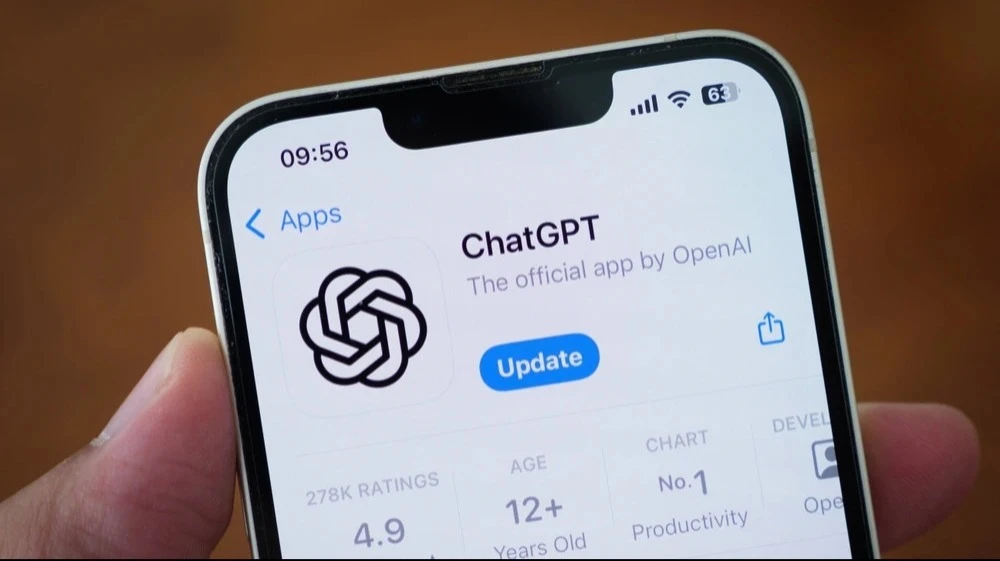
OpenAI has released a new version of ChatGPT on a limited basis / M21Perfect / Shutterstock.com
OpenAI announced the release of two new artificial intelligence models in the GPT-5.6 series, but has so far made them available only to a limited group of partners. The company did so at the request of the U.S. government, which had been informed in advance of OpenAI’s plans and the model’s capabilities. The company expects to make the model available to a wider audience in the coming weeks, but has not specified an exact timeline.
Details
The company, led by Sam Altman, has begun testing a new series of GPT-5.6 models with trusted partners, a list of whom was disclosed to the U.S. government, according to an OpenAI statement. According to the statement, the limited rollout was organized at the request of the Donald Trump administration. A Bloomberg source claimed that 20 partners would be granted access to the model.
“We do not believe that this process of granting access to the government should become the long-term norm,” the company notes. This approach delays access to the best technologies for users, developers, businesses, and cybersecurity professionals. However, OpenAI agreed to it because it considers it the most reliable way to ensure a full launch in the coming weeks, the statement said.
The most powerful version of the new GPT lineup—the Sol model—is designed to autonomously perform complex tasks in programming, biology, and cybersecurity. OpenAI stated that it has strengthened the model’s security mechanisms, including those related to sensitive cybersecurity-related queries. At the same time, the company acknowledged that it is impossible to identify all potential ways to circumvent the restrictions in advance, so it intends to promptly address new vulnerabilities as they are discovered.
Context
The government’s involvement in the launch of GPT-5.6 comes amid the White House’s tightening control over AI developers, Bloomberg notes. Two weeks earlier, Anthropic suspended access to its most powerful models, Mythos 5 and Fable 5, after U.S. authorities demanded that their use by foreign nationals be restricted for national security reasons.

OpenAI hopes that the executive order signed by Donald Trump in June will help establish clearer rules for bringing cutting-edge AI models to market. The document calls for the development, within 60 days, of a voluntary system that will allow the government to access new models up to 30 days before their public release.
The initial draft of the executive order called for a 90-day review period, but the final version was softened. Trump refused to sign the first draft of the document after talks with tech billionaires, including Elon Musk and Mark Zuckerberg, The Washington Post reported, citing sources. Musk denied this.
This article was AI-translated and verified by a human editor